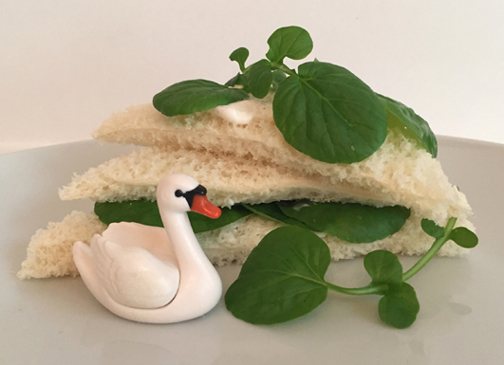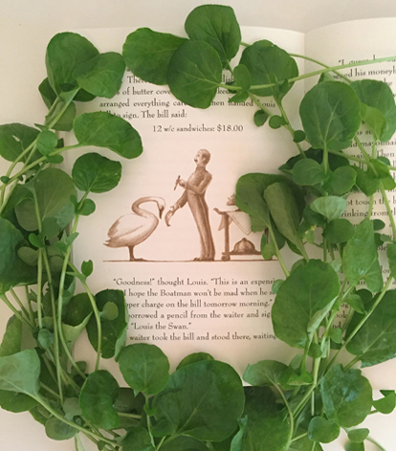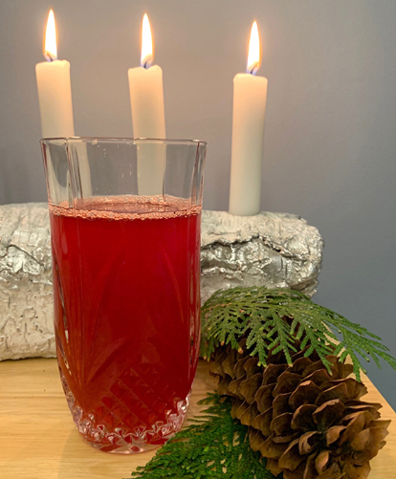
My post about dabbling in the world of watercress has led to another culinary experiment, this time from Katie’s kitchen…a splendid raspberry cordial! Do you have an literary recipe you’ve always wanted to try? By all means, let us know and we’ll give it a whirl! And without further ado, Katie’s adventures in cordial…
There are a few books from my childhood that I have read multiple times and enjoy more with each additional read. And there are a few scenes from those books that never fail to make me laugh out loud. Anne of Green Gables is one of those books. The scene when Diana gets sick drinking what Anne thought was raspberry cordial always brings me into fits of giggles. Poor Anne, who didn’t realize she was serving currant wine to Diana and made her friend “simply dead drunk” from the generous pours of the delicious beverage.
I’ve always wondered what the infamous drink tasted like, so I did a quick search online and found a plethora of recipes for raspberry cordial. I decided to use an original recipe from the official Anne of Green Gables website. The only change I made was using frozen instead of fresh raspberries, which are tough to find in the winter season.
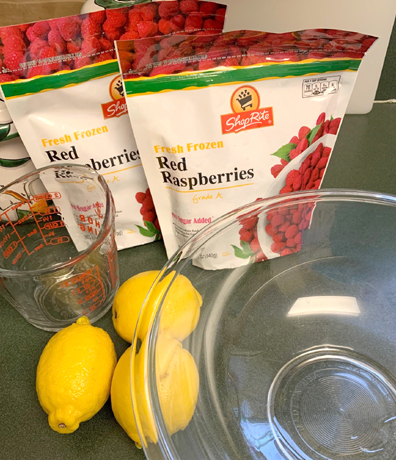
I thawed out two bags of frozen raspberries and placed them into a large bowl. Using my handy lemon/lime press, I juiced two lemons and was surprised to find I already had a ½ cup of juice.
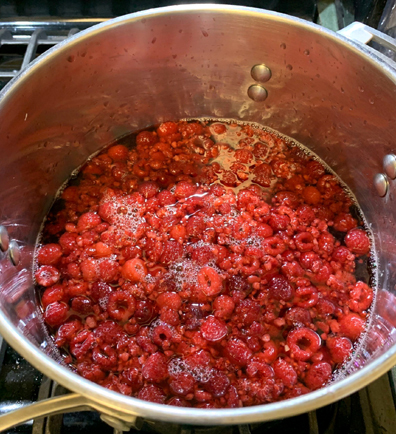
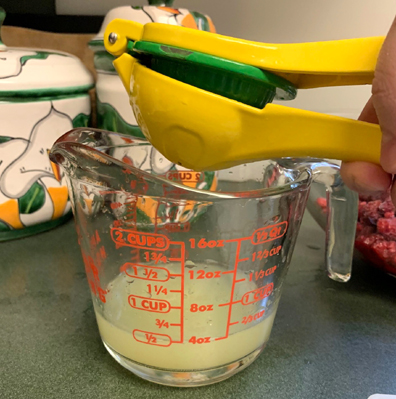 I decided to use it all and carefully mixed it with the raspberries. Once the sugar water was ready, I transferred the raspberries in lemon juice into the pot with the boiling water and let it all cool on the stove before putting the concoction into the fridge overnight.
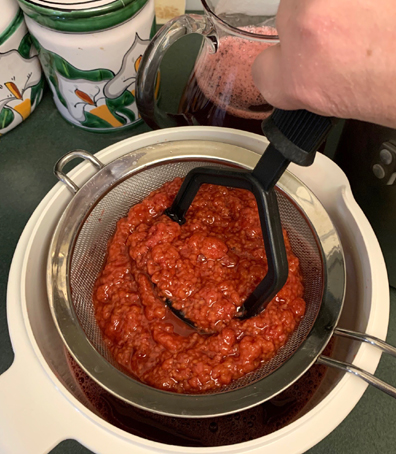
 After 24 hours, I strained the raspberry mixture through a sieve in batches so that I could make sure there were no seeds in the juice. After a quick mash of the raspberry mush and another pour through the sieve, the raspberry cordial was ready.
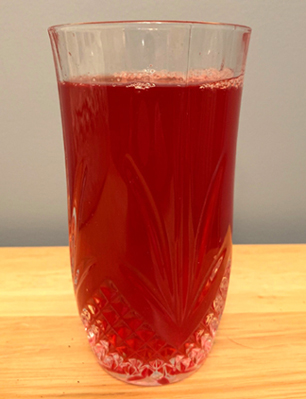
Raspberries are my son’s favorite fruit and he eats lemons raw (as I mentioned when he helped me make Harry Potter’s Triple Power Icy Lemon Pops). When I told him about the cordial, he was more than willing to give an official taste test. Here’s his review:
Overall, I think this drink should be a staple in every house around the world. It has the perfect mix of sour and sweet with the raspberry and lemon juices combined. I would drink this every day if I could because it’s a very high quality refreshment that can be made easily. The only thing I would say about this is to make sure to do everything in the recipe correctly, as the cordial has a very delicate taste that could be changed and you just can’t let that happen.
It’s a super simple drink that packs quite a delicious punch. It would be perfect to sip on a warm summer day while having a picnic outside with your loved ones, or enjoyed by a crackling fire on a cold snowy evening. My family and I give it our highest taste bud recommendation!
 If you are searching for other culinary inspirations, check out these interesting cooking pamphlets or learn about the book that gets Dr. Dana’s creative juices flowing.
 Just posted! A webcast and podcast with Nadia Hashimi.