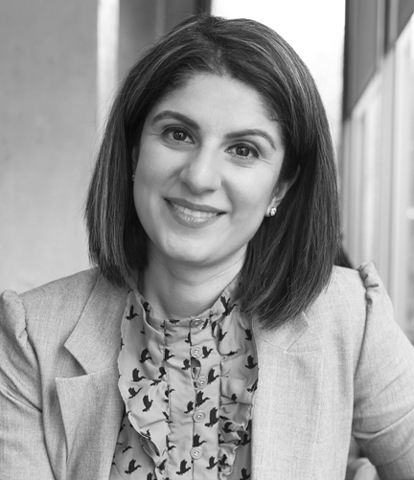
 Just posted! A webcast and podcast with Nadia Hashimi.
Born to Afghan parents who immigrated to American in the 1970s, Hashimi began her career as a medical doctor, but also wrote stories about the rich and complex experiences of Afghan culture. This resulted in a number of bestselling international novels for adults and the two books for children we will be discussing today – One Half From the East, and The Sky at Our Feet.
One Half from the East is the story of Obayda the youngest daughter of an Afghan family living in Kabul. When her father loses his leg in a car bombing, the family moves to a remote village. As her father retreats further into depression, it becomes increasingly more difficult for the family to live. This is when Obayda first hears the term bacha posh, which is the practice of turning a girl in the family into a boy by cutting her hair, dressing her in boy’s clothing, and changing her name. Ohbayda, now Obayd navigate this completely different world.
In The Sky At Our Feet, we meet Shah, whose American name is Jason. On his mother’s birthday, Jason learns that his father did not die in a car accident as his mother has always told him. His dad is a murdered Afghan journalist, and his mother has been living on an expired visa, terrified she will be discovered, deported, and separated from her son. When her worst nightmare happens, Jason is left alone. His only hope, he believes, is to find his mother’s friend in New York City and ask for help.
Hashimi writes with richness, emotion, and empathy, enfolding the reader into her characters’ lives and families. Difficult topics such as violence, racism, poverty, and misogyny are handled deftly, clearly, and with compassion. She applies the same powerful brushes to her beautiful themes as well, like friendship, identity, inclusion, and acceptance. The result is an intimate and uplifting reading experience.
Follow this link to the BiblioFiles interview
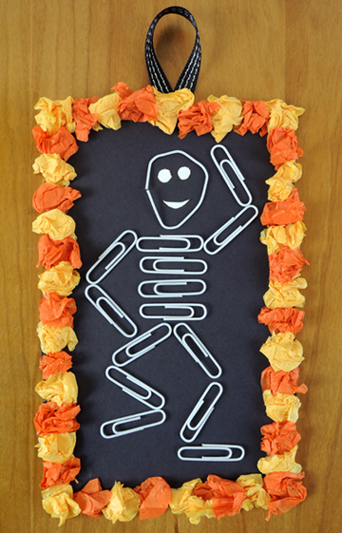
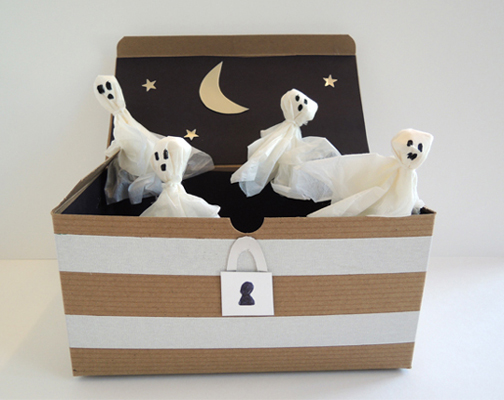
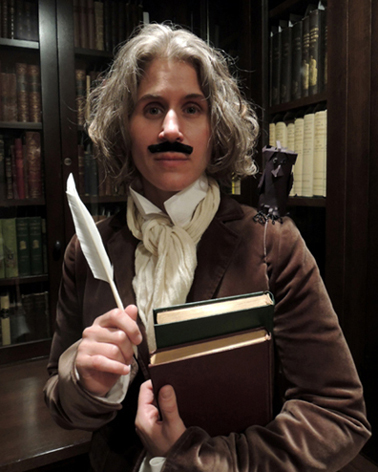
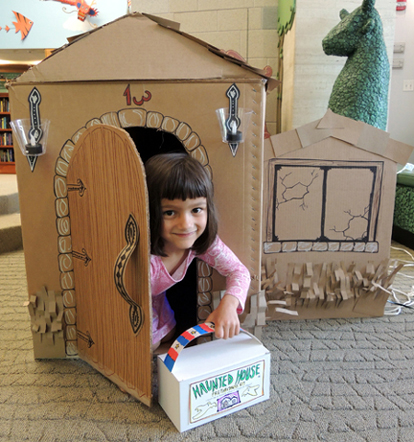
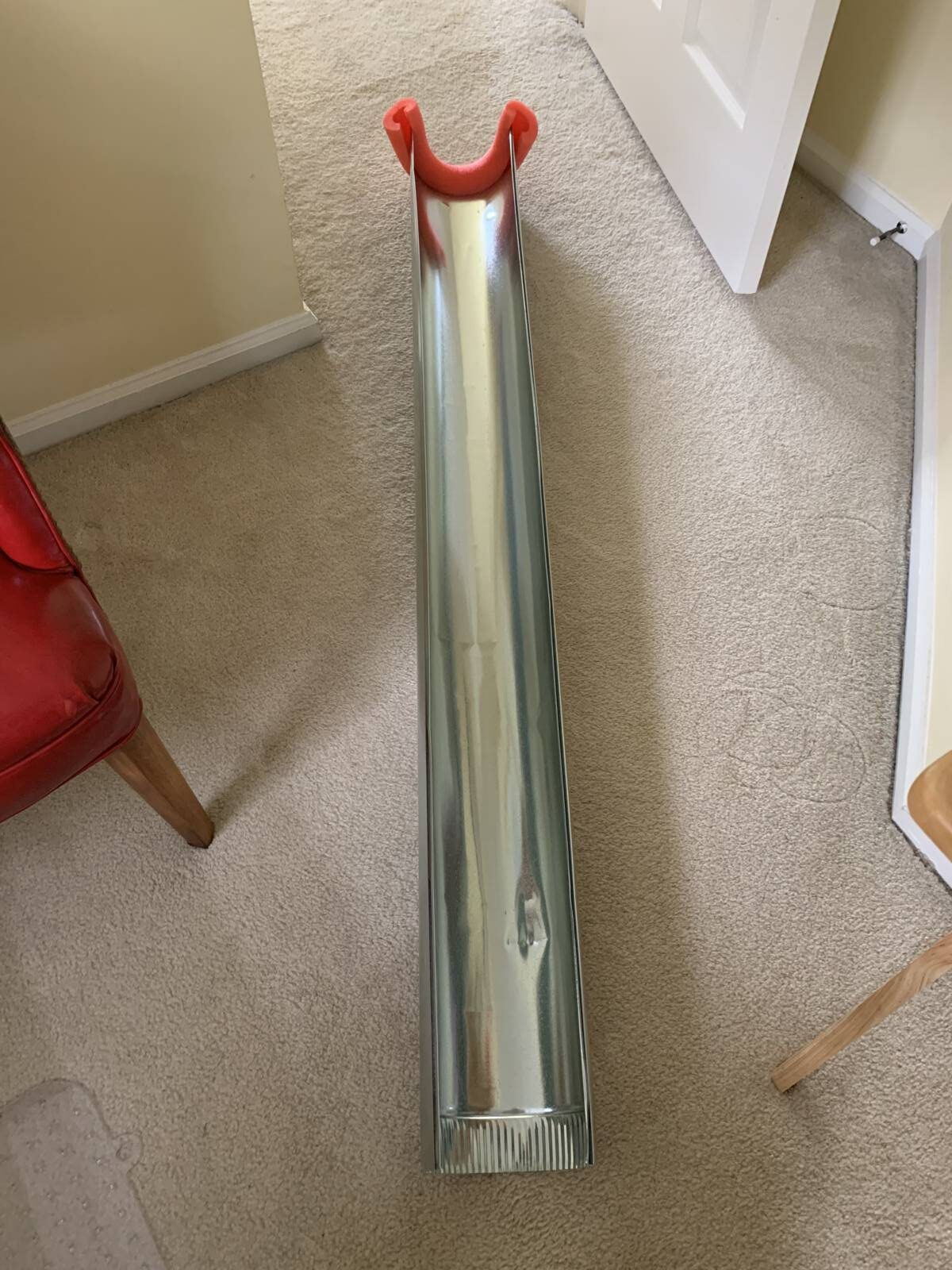
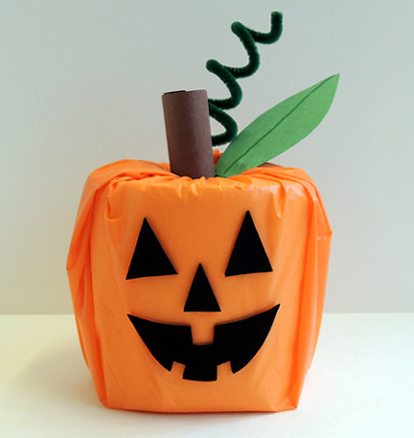 It might be a smaller, simpler Halloween this year, but that doesn’t mean it has to be any less spirited (oooo bad pun alert!). We decided to do a round up of our Halloween posts for you to peruse, just in case you needed some projects, activities, costumes, or inspiration. But if you are just here to see Katie’s ingenious candy chute, scroll to the end of the post!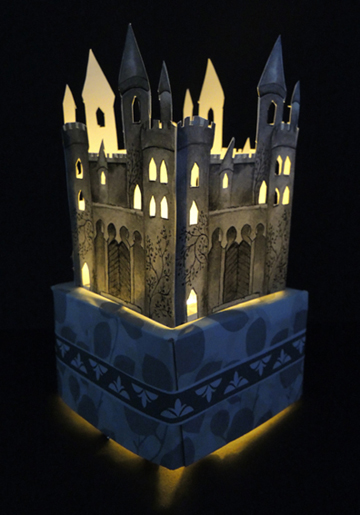
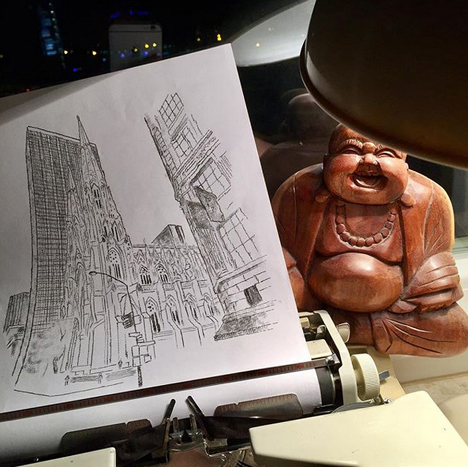
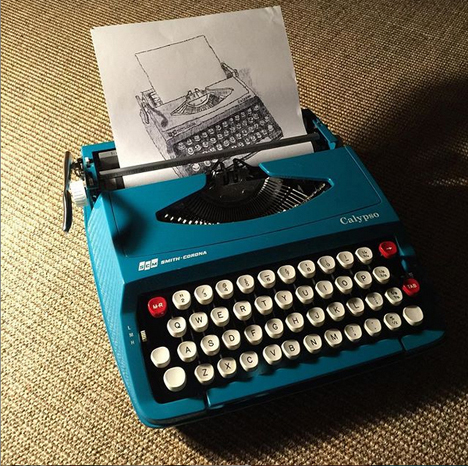 Daily, we lay our fingers on our QWERTY keyboards. But while we type out words, German artist Robert Dörfler conjures portraits, buildings, animals, and landscapes. An artist with a mechanical easel and alphabetic brushes, his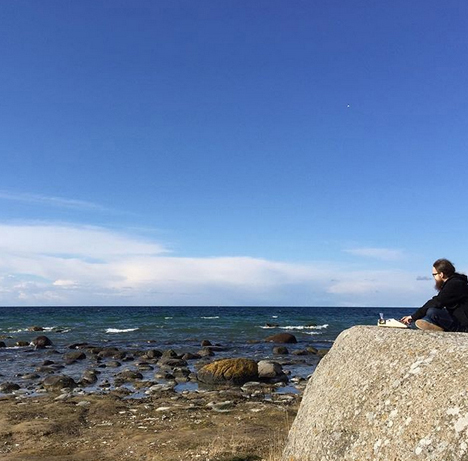
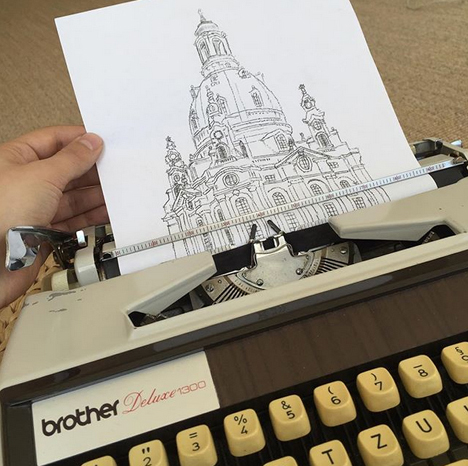 But one day I came across other specimens of the older typewriter art again and realised that there might be some logical connection between the two styles, figuring that some ASCII art techniques could be applied to the typewriter, and I could apply what I had learned from the newer style to the older… with mixed success. Of course, the paper page isn’t limited to columns and rows the way a fixed-width screen of text is on a computer, so you can still manage to go outside of the box and push boundaries outside a strict grid even typing with straight lines.
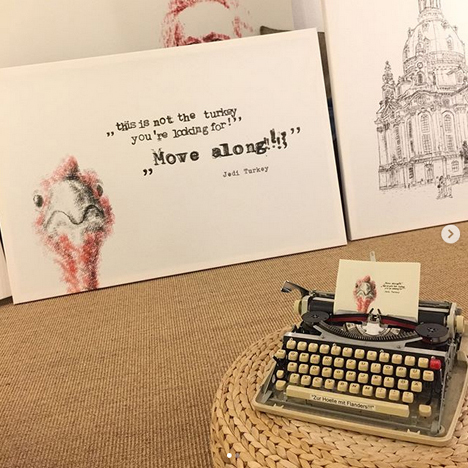 Typewriter drawing can feel like you’re using some analogue Photoshop with layers and a wide range of colours, except of course without any “undo” function for erasing mistakes that might come up.
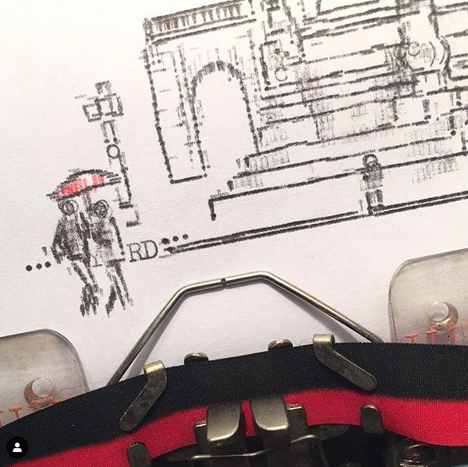 How do you translate landscapes and buildings to typewriter keys?
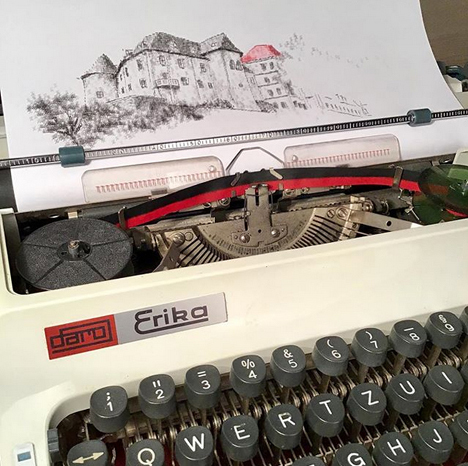 What is the most difficult thing about creating a piece?
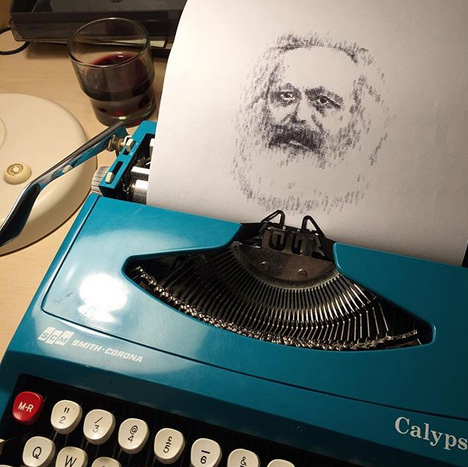 What brands of typewriters do you use?
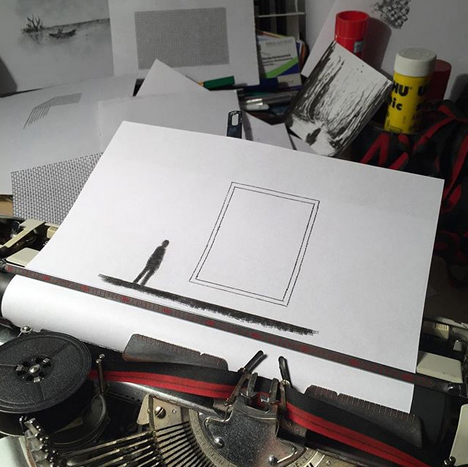 Name your top 5 typewriter keys to use, and tell us why!