
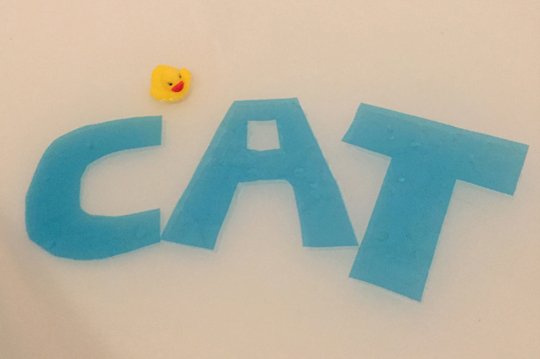
Get kids C-L-E-A-N with this simple alphabet activity for your bathtub. Rubber ducky not included, but you shoud T-O-T-A-L-L-Y get one!
You’ll need:
- Cellophane
- Scissors
- Bathtub or tub of water
The concept of this project is simple. Cut a bunch of alpahbet letters out of cellophane, then float them in the tub during your next bathtime. Gently moving the different letters around, you can spell CAT, RAT, BAT, MAT or whatever combination you would like to try!
And if you try SUPERCALIFRAGILISTICEXPIALIDOCIOUS, definitly send me a pic.
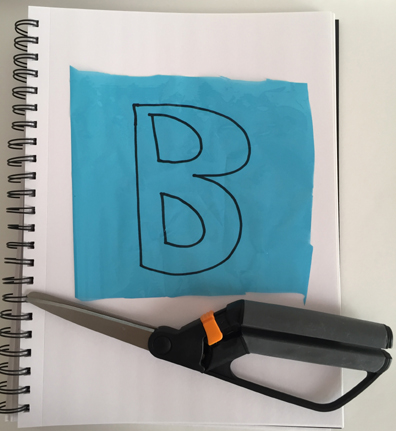
Cellophane is notoriously crinkly, so two hints: 1) Draw the letter template on a sheet of paper, lay the cellophane piece on top, then cut both; 2) If your desk scissors are tearing the cellophabe, use fabric scissors (seen below).
As you can see from the image that started this post, the cellophane floats easily on the water, sinking a bit as the bath progresses and the waters shift. However! I learned that not all cellophanes act like this!
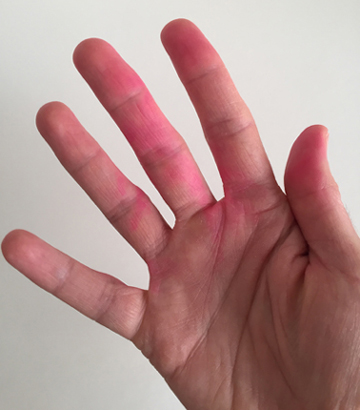
I ordered some rainbow cello sheets from Amazon, wanting to use a fun assortment of colors for the letters. Well, I put them in tub and they just curled and melted like some sort of Wicked Witch of the West. And when I grabbed them, they stained the water AND my fingers pink! Noooooooooooo!
Luckily, I had another roll of blue cellophane in the house, purchased from Michael’s Craft store. Nervous, I laid the cellophane letters on the water…it worked! Floating, no curling, no staining! So if you want a pretty sure bet for this project, head to Michael’s to pick up some cellophane rolls. And test a sample of your cello before putting them in the tub with your child. This activity can also be done in a convinient dishtub or kiddie pool.
Happy splashing and spelling!
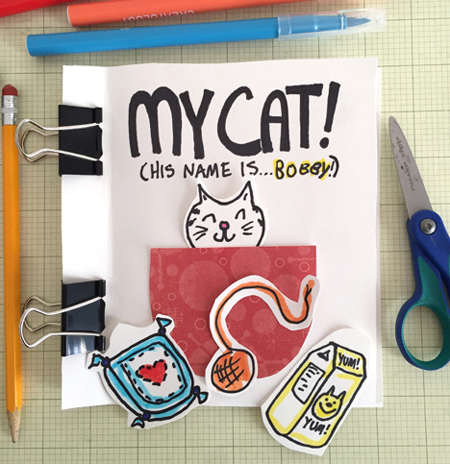
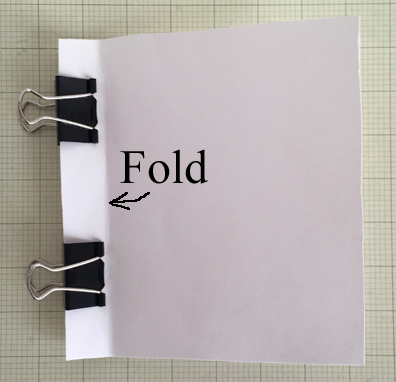
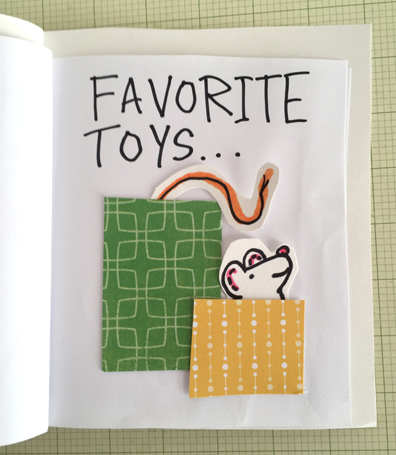
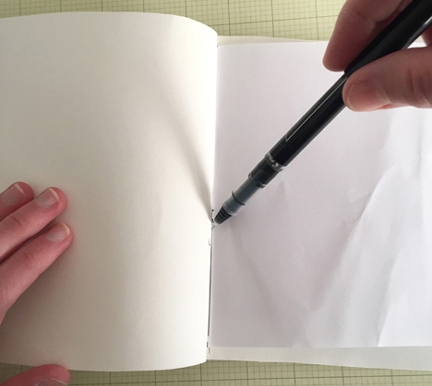 Then disasseble the book, and give your artist the flat marked pages to decorate!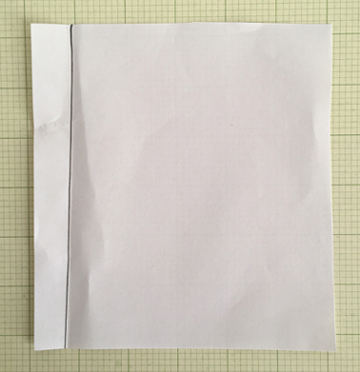
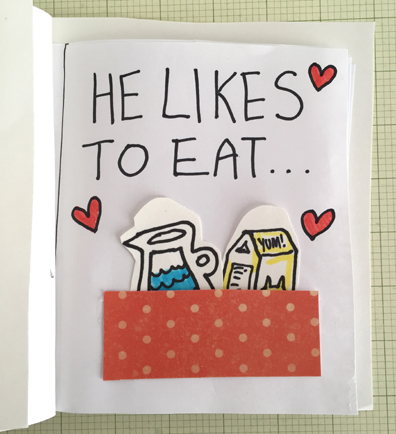 I used a heavier patterned cardstock for the pockets, but plain poster board, construction paper, or regular printer paper works too! However, when it comes to the objects in the pockets, definitely use poster board. It’s sturdier, can hold up to lots of handling, and easier to push in and out of the pockets. For fun, try doubling the pockets per page!
 When the pages are complete, reassemble the book and enjoy! I recommend whipping up a batch of blank books at one time, just in case your first book expands into an epic series.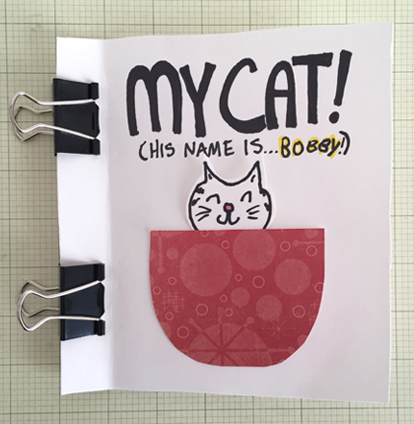
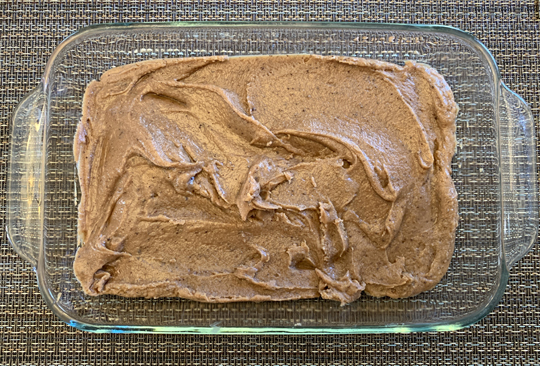 Today, Katie is broadcasting from our official blog test kitchen (which wow, looks remarkably like her own kitchen!). She’s tackling her old culinary frenemy…that cursed confection, sneaky sweet, diabolical dessert otherwise known as…FUDGE. Take it away, Katie!
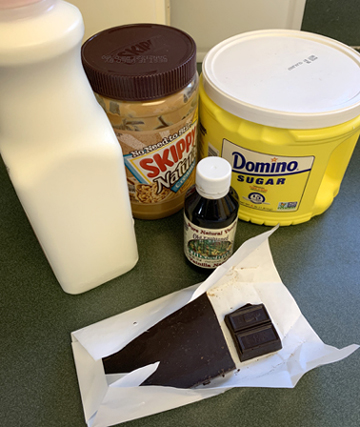 With just five ingredients and clearer directions than the “fooj” recipe, my confidence was high. I carefully followed the instructions exactly as they were written. When it came time to let the milk/sugar/chocolate mixture boil for five minutes, I set a timer and pulled out my candy thermometer (purchased when I attempted to make
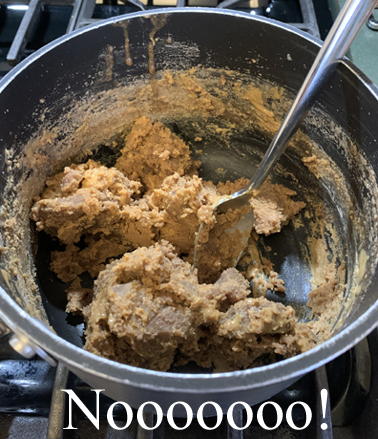
 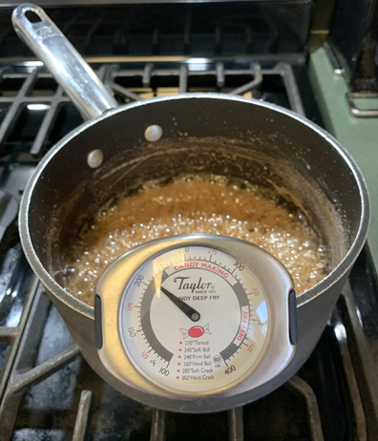 While the pot was taking its cold-water bath in the kitchen sink, a series of unfortunate events drew my attention away from the task at hand. The pot must have rested in the sink for too long because when I tried to add the peanut butter, the fudge was hard. Absolutely rock hard. I frantically tried putting the mixture back on the stove to see if it would soften up as I mixed in the peanut butter, but the result was a colossal, clumpy mess. Fudge failure, yet again.
 I wasn’t about to give up on Nana and her peanut butter fudge, so I started over from scratch. Armed with the knowledge from both of my failures, I focused wholly and completely on the fudge and finding the sweet spot of victory. And somehow, against all odds, I did it. I made fudge!
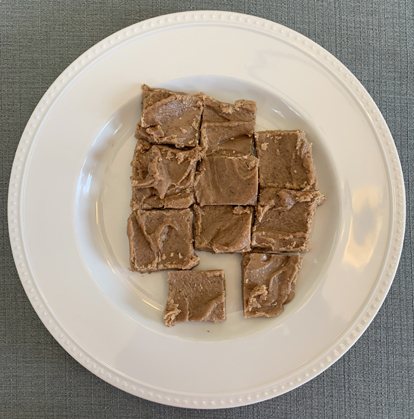 Peeny Butter Fudge is delightfully rich and provides the perfect flavor mixture of chocolate and peanut butter, which is one of my favorite dessert combinations. I provided samples for my teen son and his neighborhood friends to try, and all of them said “this is so good!” My son also said it tastes exactly like the filling in Reese’s Peanut Butter Cups. Collectively we give Peeny Butter Fudge our official seal of tastiness approval.