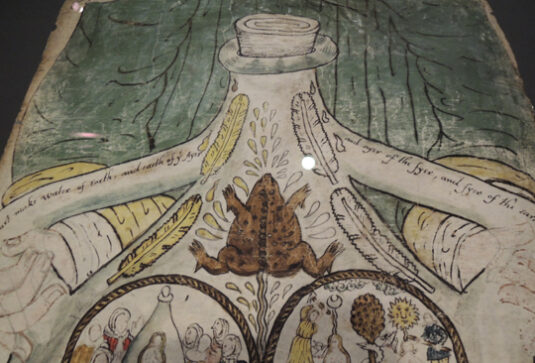
 Last week, we delved into the fascinating world of alchemy at the current , “Through the Glass Darkly: Alchemy and the Ripley Scrolls 1400-1700” exhibit. In our journeys, however, we did notice one thing. Both in history and alchemy, toads get no love.
In alchemy, the toad represents the “prime matter” an alchemist would use at the start of an experiment. Prime matter was the humble, plain, basic, ugly stuff that would eventually transform into greatness. Unfortunately, the toad was chosen to represent this undesirability. As expressed in this natural history book from 1809:
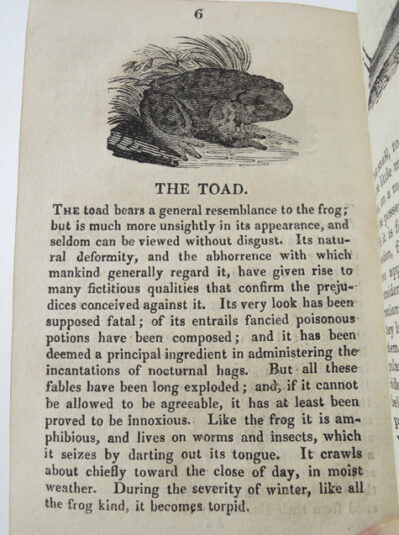
A Natural History of British Quadrupeds, Foreign Quadrupeds, British Birds, Water Birds, Foreign Birds, Fishes, Reptiles, Serpents, & Insects. Alnwick, England. W. Davison. 1809.
Well, this makes us sad. Toads are great! So the Cotsen team dug into the special collections vaults to find some awesome, jolly, and sweet historical representations of toads to share with you today…
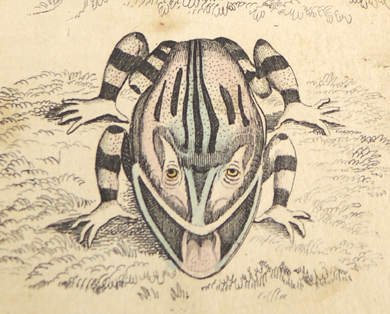
Goldsmith’s History of Fishes, Reptiles and Insects & c. Thos. Tegg & Son. ; London. ; Smith, Elder, & Co. 1838.
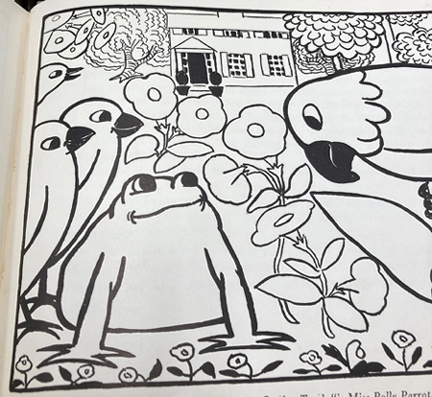
Sad garden toad : and other stories / by Marion Bullard. New York : E. P. Dutton & Co., c1924.
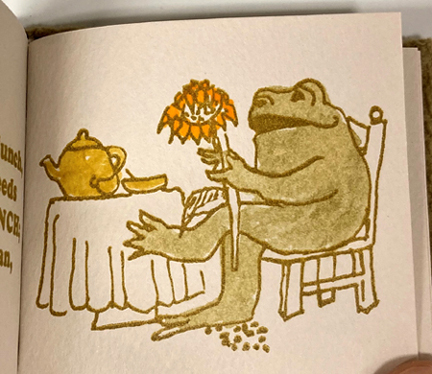
Toad / by Carol Cunningham. [Mill Valley, Calif.] : Sunflower Press, 1983.
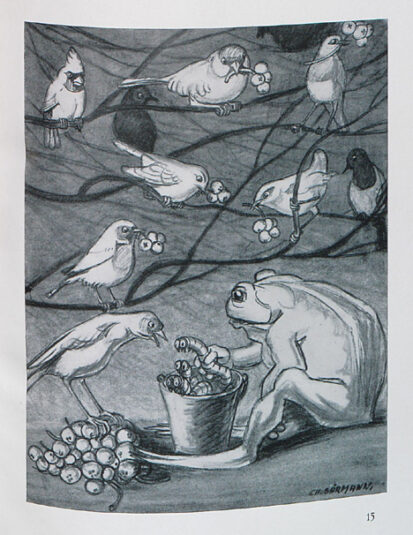
Die Honriche : ein Märchen / von Christian Bärmann. München : Hugo Schmidt, c1923.
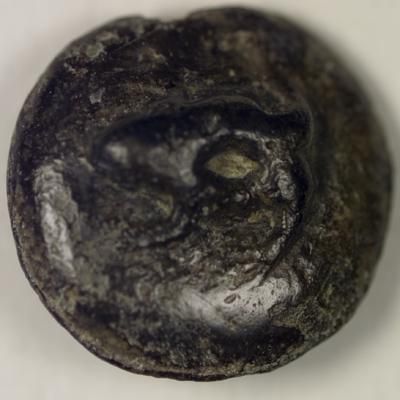
Bronze toad coin. Place: Luceria, Apulia, Italy. Earliest date: -300. Latest date: -280
Special thanks to Cotsen intern, August Roberts, for researching this post :)
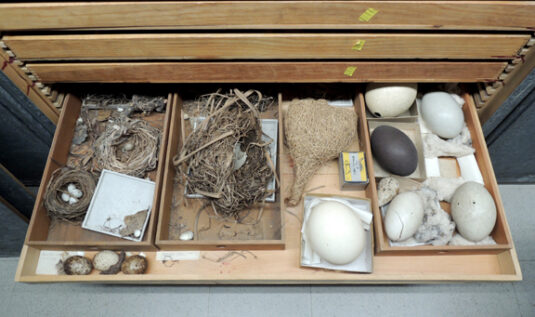
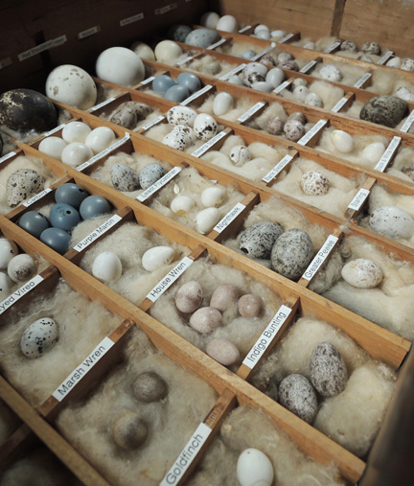 A heads up for our readers…in addition to eggs and nests, this post contains multiple images of bird taxidermy, which some may find unsettling. If you do, no problem! Skip this particular post, and we’ll see you on the blog next Tuesday!
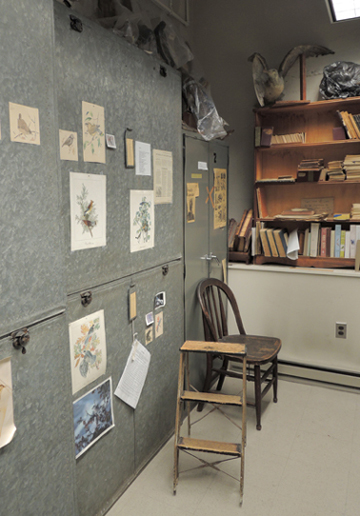
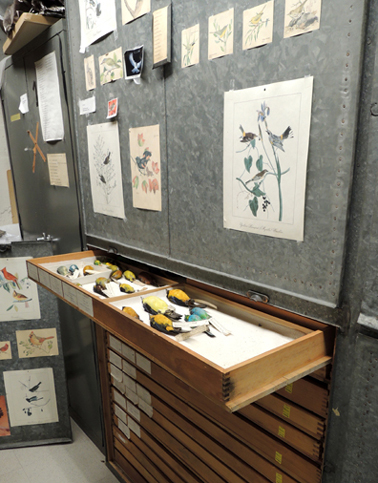
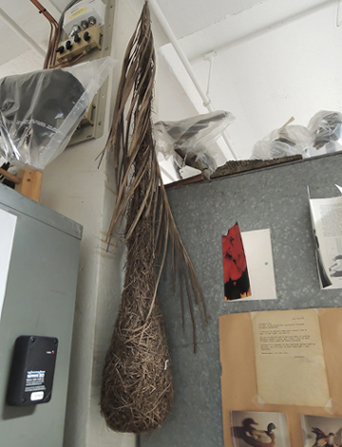
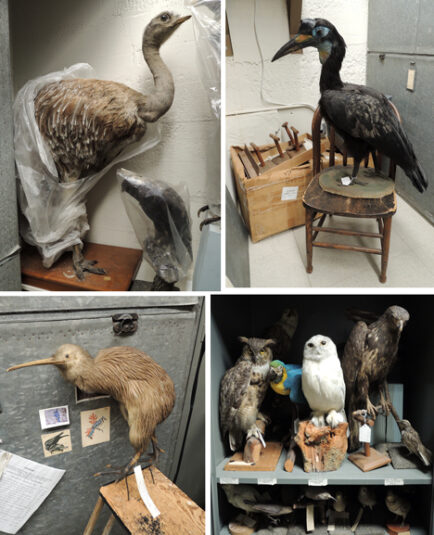
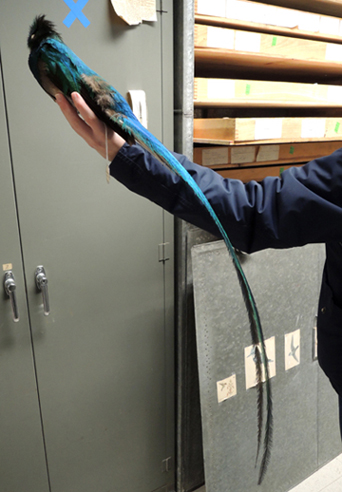
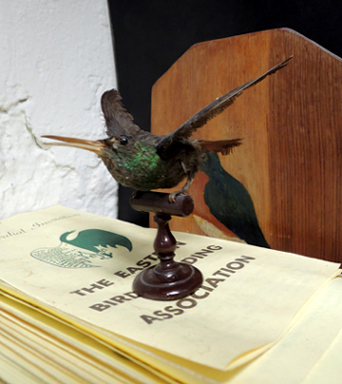
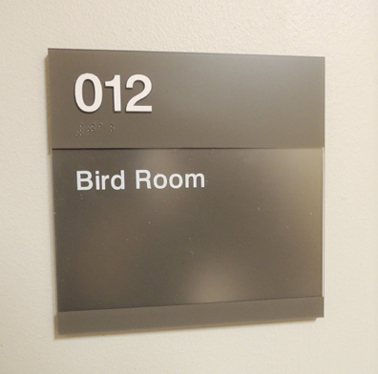 Behind that plain door, however, is an amazing treasure trove of natural history. It’s the Princeton Bird Collection, which contains a taxidermy catalog of over 6,000 bird specimens, some of which are over 150 years old! Many were collected by William Earl Dodge Scott, who was appointed Curator of the Department of Ornithology in 1879.