Meet a toast with a LOT of personality! Today’s blog post is a story time, simple project, and quick snack, all rolled into one!
We recommend Toasty by Sarah Hwang (Margaret Ferguson/Holiday House Books, 2021, read here by the Loveland Public Library). Toasty is a slice of bread, but he really wants to be a dog. Even though he knows there are differences and major challenges, the intrepid Toasty heads to the park to meet some pups. Unfortunately, all does not go as planned. But when a girl appears at the moment Toasty needs her the most, a beautiful friendship begins.
You’ll need:
- A piece of toast
- A toaster or oven
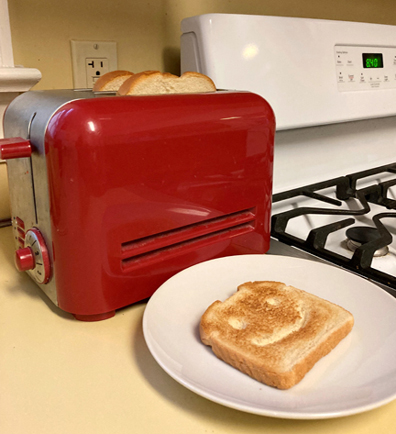
Why I didn’t figure out this toast drawing thing when my kids were smaller?!? It’s adorable. First, use you fingers to firmly press a design (or a letter or word) into an uncooked slice of bread. Pop the slice in the toaster, and done!
Of course, me being who I am, I did wonder if the cooking time/temperature impacted how the design appeared on the toast…
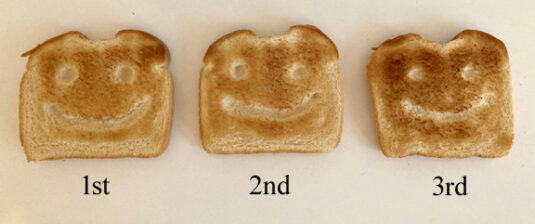 The answer is basically no. Above you can see 3 slices of toast cooked on the 1st, 2nd, and 3rd settings on my toaster. The design appears about the same. Or…maybe I did the experiment so I would have an excuse to eat three yummy slices of toast that morning? Hmmmmm. Totally not telling.
 Wow wowzers wowie WOW are we looking forward to turning the page to 2022! But before we put a lid on 2021, we thought we would revisit some of our favorite posts! Here they are, in no particular order, our Top 10 posts of 2021!
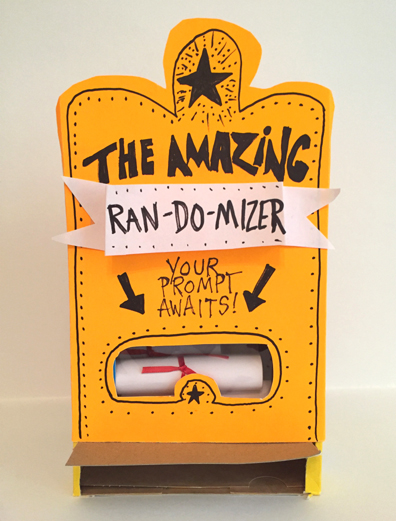 Never in a million years did I think a recycled pasta box would go viral, but this was one of our most popular projects! It’s a simple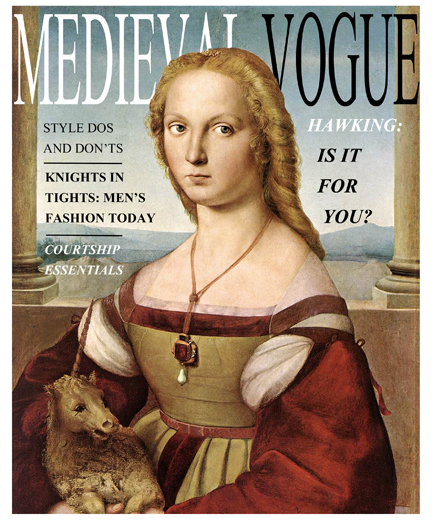
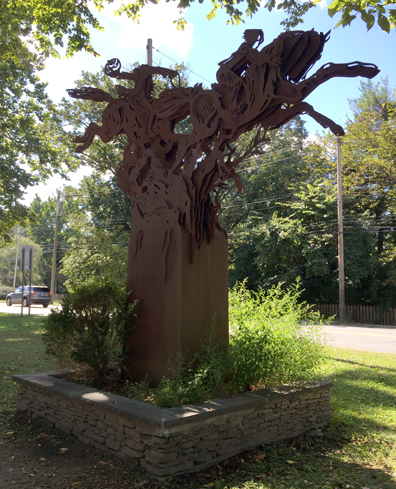
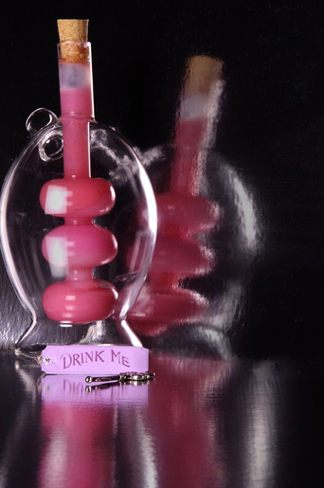 Katie was delighted to
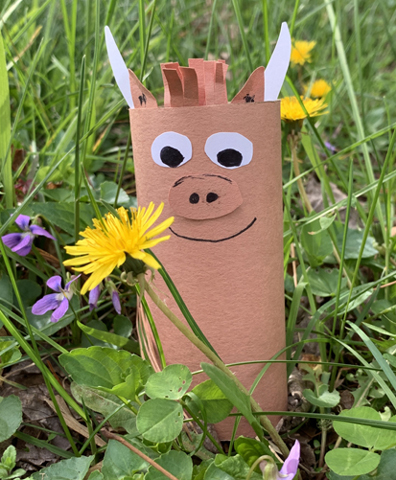 In addition to featuring one of Katie’s favorite picture books, this
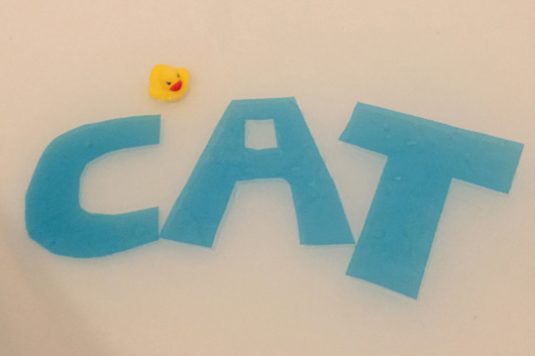 This one made the list because it was almost a huge fail and it turned my hand pink. Yes, PINK! Though I ultimately managed to produce a cute bath time
  Of course we’re going to include the post that introduced Finley, the newest addition to Katie’s family! Look at him, rocking that