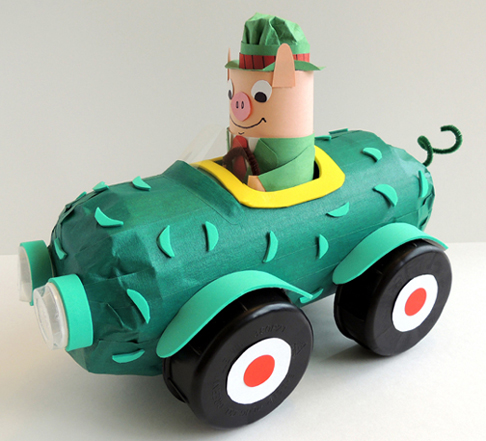
 Pickle car anyone? The world of Richard Scarry is full of fantastical vehicles, and at last Saturday’s library event, we invited kids create a wheeled wonder and give it a test drive! For a slideshow gallery of some seriously fun vehicles, scroll to the bottom of the post.
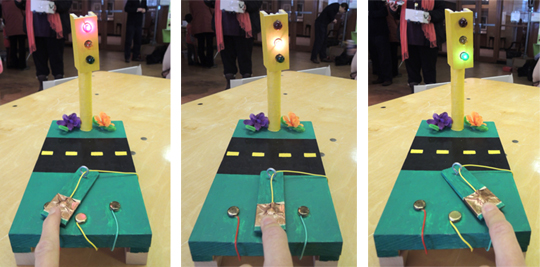
The program was called Cars and Trucks and Things That Go, which is, of course, the title of one of Richard Scarry’s books (Golden Books, 1998). We were joined by our friends at scienceSeeds (who you might remember from this post). They brought all sorts of goodies. Little motors to take apart, homemade remote control cars, programmable LEGO cars, and this snazzy traffic light that demonstrated how simple circuits work. The back of the traffic light was open so kids could see how it was wired.
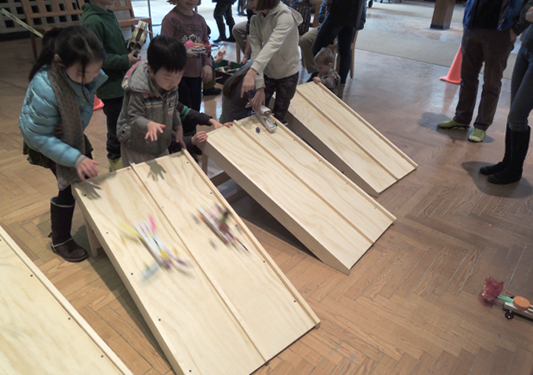
 But scienceSeed’s most popular station by far was a set of 4 wooden ramps for car races. If you don’t have wooden ramps handy, cardboard ramps work too!
 My library coordinated the car decoration portion of the program. Here’s how it worked. Kids arrived at the front of the gallery and were given two choices of vehicle. A “dragster” (which was a 7/8″ x 2″ x 8″ jewelry box), or a “truck,” (which was a 4 ½” X 4 ½” x 9” craft box).
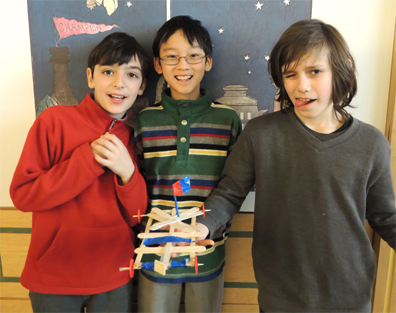
Older kids could skip the box and opt to build a car from scratch using craft sticks and balsa wood. Then, they attempted to get their creation down a race ramp without “cracking” a plastic egg passenger. Here’s an intrepid trio who worked together to design the ultimate vehicle.
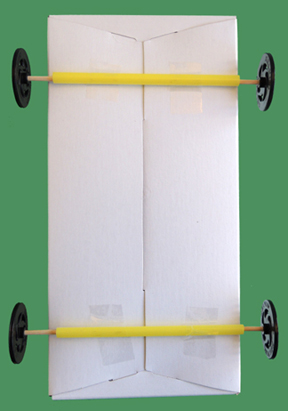
 Once kids selected a box, we taped two, 4″ plastic straws to its bottom. Then we threaded two, 6″ wooden rod “axles” through the straws. The wooden rods were BBQ skewers cut down to the proper size with pruning shears (and don’t forget to cut off the pointy end of the skewer!). The final step was to slide 4 plastic wheels on the ends of the wooden rods (later, kids used hot glue or tape on the ends of the rods to keep the wheels from sliding off). Here’s what the completed underside of a truck looked like:
 I purchased the wheels from Kelvin Educational, an online science supply company. They are 1-3/8″ in diameter. The wheels can be a little difficult to locate on the website, so here are the product numbers: black wheels are 990168 (they cost $10 for 100 wheels); color wheels are 990169 (they cost $11 for 100 wheels).
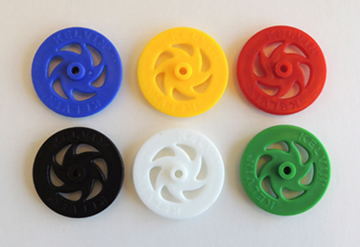 Alternatives to the plastic wheels are wooden wheels, wooden spools, round foam beads, or tagboard circles with holes punched in them. Basically, if it rolls and has a hole in the center, you can use it!
Once the boxes were fitted with axles and wheels, kids proceeded to the decorating area. There, they found three, 6′ tables loaded with art supplies. University students from Stella Art Club and the Men’s Soccer team volunteered at both the art tables and the science area. They were amazing!
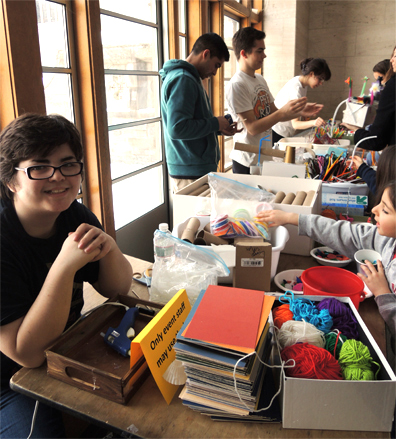 I don’t have a full list of all the art supplies we provided, but some that were particularly appreciated were mini pinwheels, animal finger puppets, and metallic springs (all 3 were purchased from Oriental Trading Company). Also popular were sparkle stems, fabric flowers, foam beads, and craft ties. A call for recyclables to University library staff also yielded some interesting one-off items, like decorative buttons, plastic bead necklaces, and little figurines.
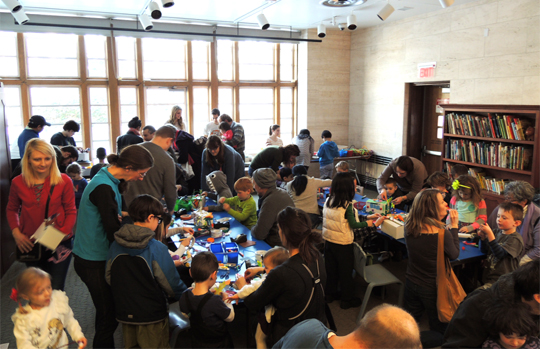
We had work tables set up all over the gallery. They were stocked with markers, scissors, color masking tape, packing tape, and glue sticks. There were 4 staff-operated hot glue stations too. Here’s the central work area in action:
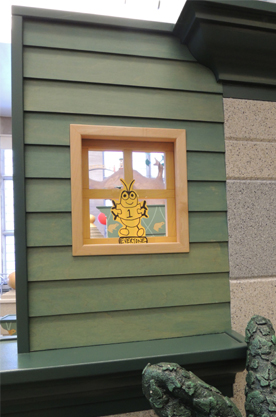
 The final touch to the program was Katie’s brainchild…a “Find the Goldbug” game. Katie made, and hid, 5 Goldbugs in the gallery. Each Goldbug had a word written on its base. Kids had to find all the Goldbugs, decipher the “secret sentence” (it was “Everyone wants a pickle car”) and repeat the sentence to me or Katie. The prize? A little checkered racing flag to adorn your vehicle! The flags were “race car flag picks,” ordered from Oriental Trading Company (we made sure to cut the pointy ends off).
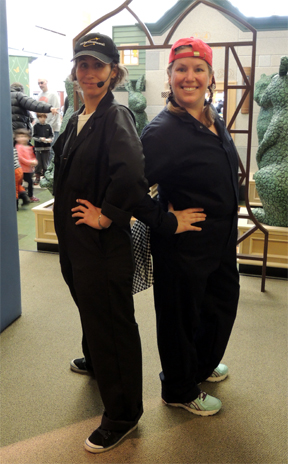
 Katie and I wore mechanics coveralls at the event (thanks to the Lewis Center for the Arts’ costume shop!). I managed to carry cough drops, my iPhone, my digital camera, the battery box for my microphone, my office keys, and lip balm in my coveralls. It was like I was wearing the most useful purse in the world. Coveralls are way comfortable too. Katie didn’t want to take hers off. I think I’ll get her a pair next holiday season. With her name stitched on the pocket.
 And now, how about some amazing vehicles? Some kids fashioned little trailers for their vehicles. Some added pull strings. You might notice a few cellophane flames left over from this project. Love it!
This slideshow requires JavaScript.
Thanks once again to Princeton University’s Men’s Soccer team and Stella Art Club. Your volunteerism, enthusiasm, and creativity was very much appreciated!
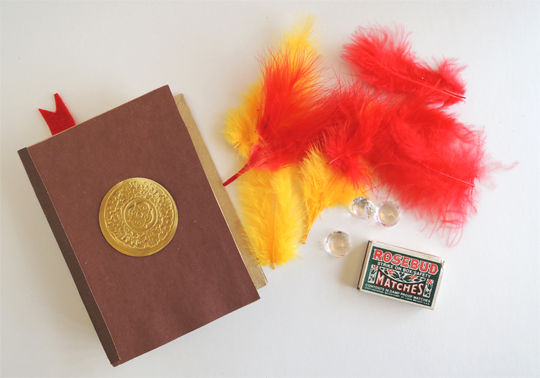 Do red and gold feathers, priceless tears, and a box of matches remind you of anyone? If you guessed Fawkes, the phoenix from Harry Potter, you are correct! We had a blast with this “character book” activity at Cotsen Critix, our literary group for kids ages 9-12.
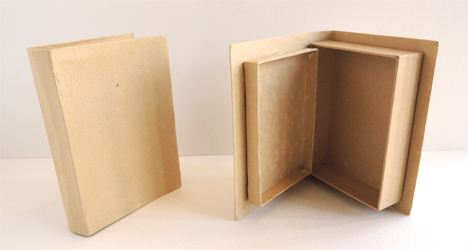 My favorite part of this project is the creativity and diversity of the books. Even if two kids chose the same character, it’s interesting to see the different elements they decide to include. Some even took on non-fiction “characters!”
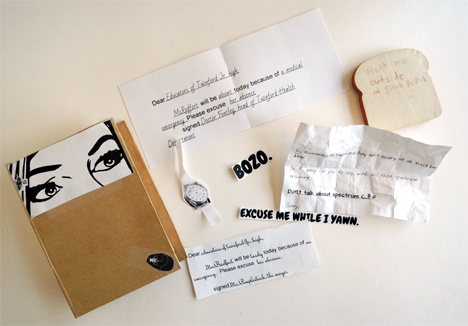 Ruby Redfort
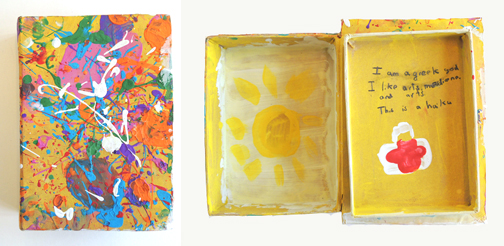 Ancient Greek God Apollo (above photo shows both the cover of the book and the interior)
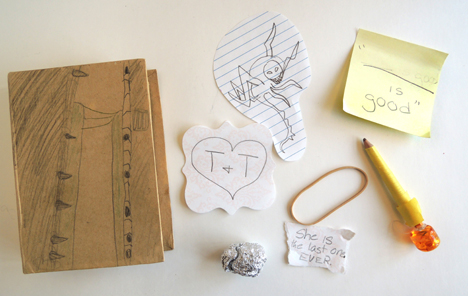 Teresa Agnes
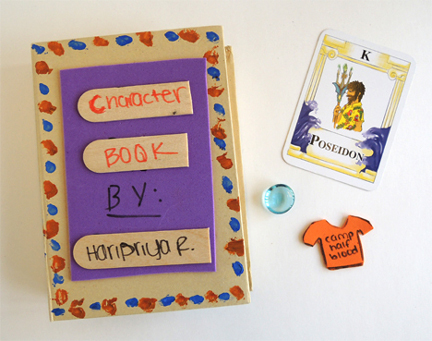 Percy Jackson (recognize one of our Mythomagic cards in there?)
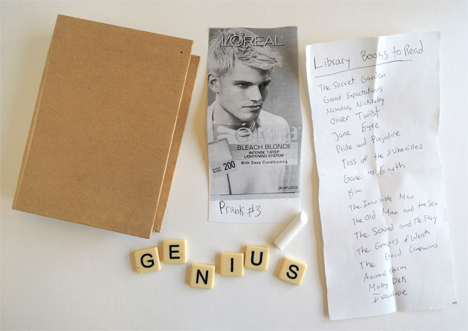 Matilda
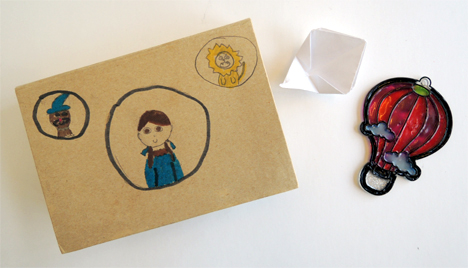 The Wizard of Oz
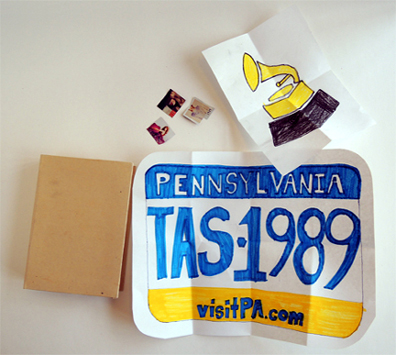 Taylor Swift (non-fiction biography…nice!)
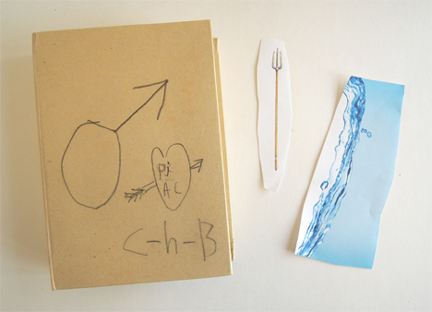 Percy Jackson
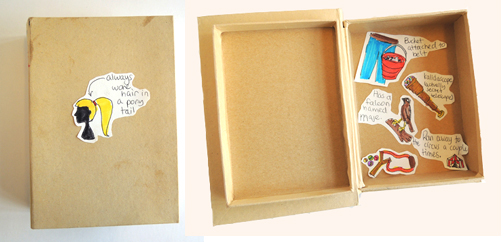 Kate Wetherall (if you want your own red bucket with all the equipment, look here)
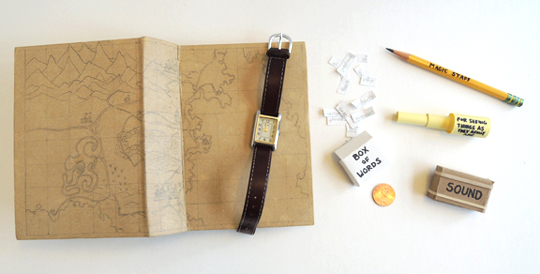 Milo
Milo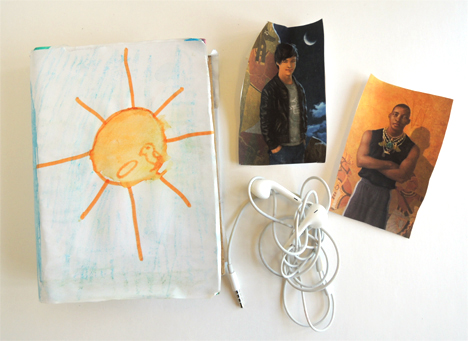 Sadie Kane
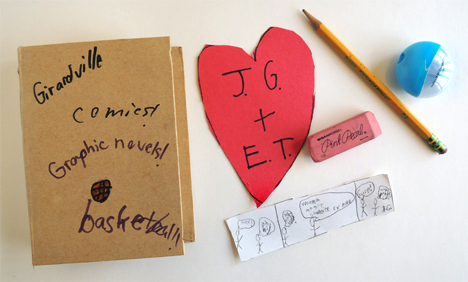 Jimmy Gownley (as depicted in The Dumbest Idea Ever, his graphic novel and memoir!).
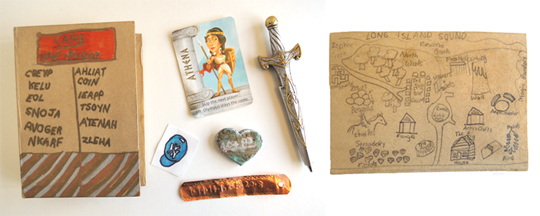 Annabeth Chase (a Camp Half Blood map is drawn on the back cover of the book!)