
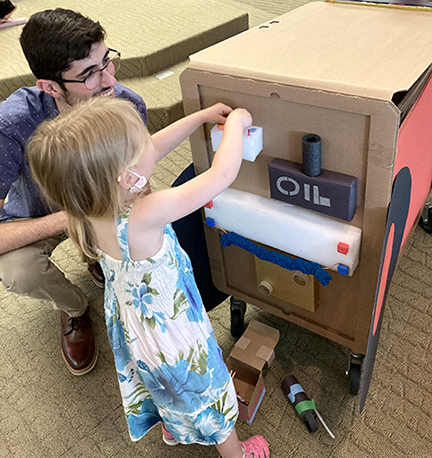
 Is your story time tractor running a little rough? Maybe it’s missing a few foam bead plugs or yarn wires? Not to worry! With your handy-dandy toolbox and “can do” spirit, you’ll have everything working in no time!
We read Tough Chicks written by Cece Meng, and illustrated by Melissa Suber (Clarion Books, 2009). Penny, Polly and Molly are NOT like the other chicks on the farm. Instead of preening feathers, peacefully pecking grain, or cheeping, they are swinging on cow tails, playing in mud, and getting under the hood of Farmer Fred’s tractor to see how it works. The other animals on the farm are annoyed by their antics, but when the tractor breaks down and gets stuck, it’s up to the tough chicks to use their unconventional skills to solve the problem!
You’ll need:
- 1 small box (we used a 4″ x 4″ x 4″ craft box, but a small tissue box works too!)
- Poster board or tagboard
- 2 foam beads
- 2 small rubber bands
- 1 sock
- Cotton balls or polyester fill
- 1 pair of wiggle eyes
- 1 chick beak (paper or self-adhesive foam)
- 1 tractor & tractor engine (more on this below!)
- Scissors and tape for construction
- Markers for decorating
- Hot glue
This story time was essentially two small projects: a chick hand puppet, and a tractor toolbox. Our puppet was a yellow soccer sock (we bought a 10 pair pack on Amazon for about $30) stuffed with poly fill and gathered around the neck with a rubber band. We added wiggle eyes, a self-adhesive foam beak, and a jaunty feather crest.
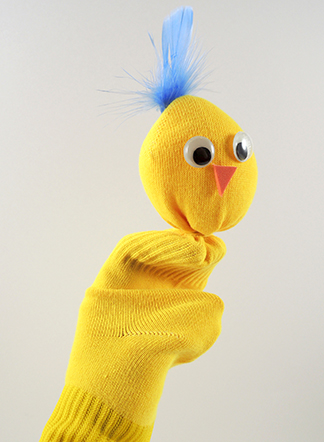 Notice when you place the sock on your hand, you can still use your thumb and fingers to grasp things? It’s an important detail that we’ll return to later! Next up is the tool box:
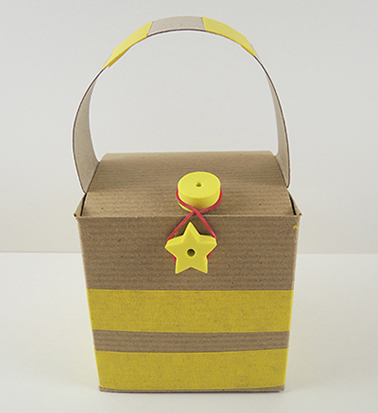 To make the box handle, tab both ends of 1.5″ x 11″ strip of poster board or tagboard, then attach the tabs to the underside of the box lid. Glue 1 foam bead on the top of the lid, and another on the front of the box. Wind a small rubber band around the beads to keep the lid closed while carrying. Decorate the tool box with markers (or use color masking tape like we did).
Now for the contents of the tool box! These can vary, but here’s what was in our boxes:
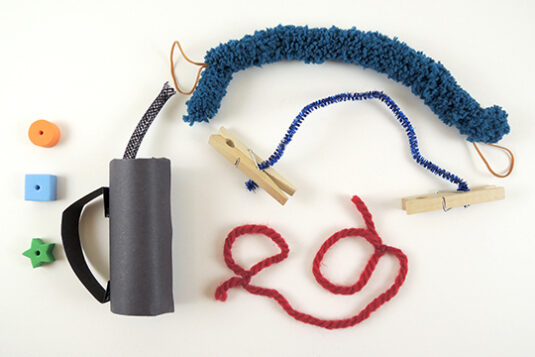 There are 3 foam bead bolts, 1 toilet paper tube oil can, and 3 different tubes and wires. The wires are made of yarn or sparkle stems and have rubber band or clothespin fasteners. All of these items are used to “fix” the engine of this AMAZING book cart tractor Katie constructed out of boxes, tubes, and poster board!
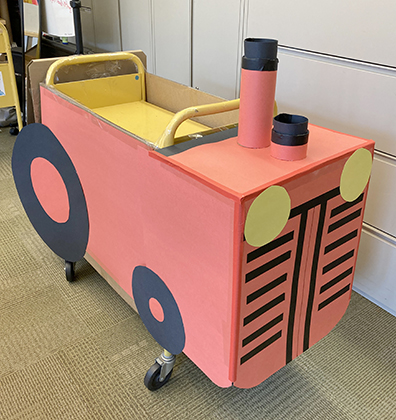 The back of the tractor flipped up to reveal the engine, which had parts missing. Kids then used the various items from their tool kits to repair it…all while wearing their chick hand puppet!
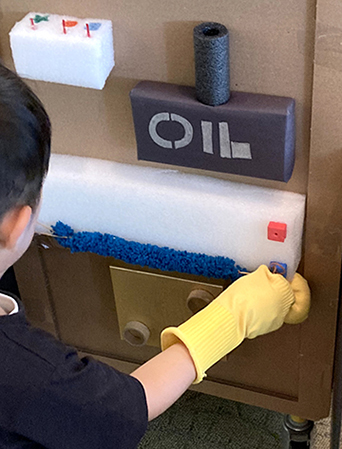 We constructed the tractor’s engine out of various upcycled boxes and materials (I especially love the mac & cheese box oil tank). You can also see how our tool box items fit on the engine below:
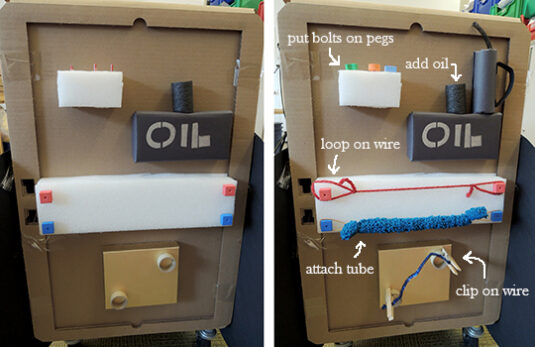
When it was each kid’s turn, they would bring their tool kits to the “broken” tractor, then use their items (with assistance from their hand puppet) to put everything in the proper place. When the engine was “fixed,” I played an audio clip of a tractor engine roaring to life!
 It’s a big world out there. A world with lots of things in it. And those things need HUGS. The question is…are you up to the task? Are you a Hug Machine?
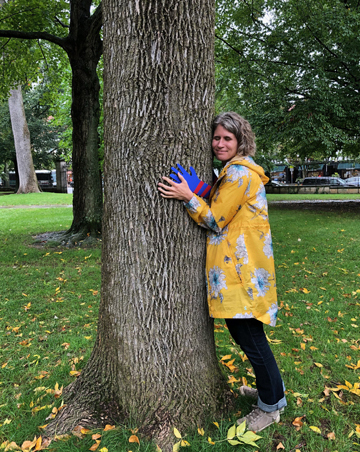
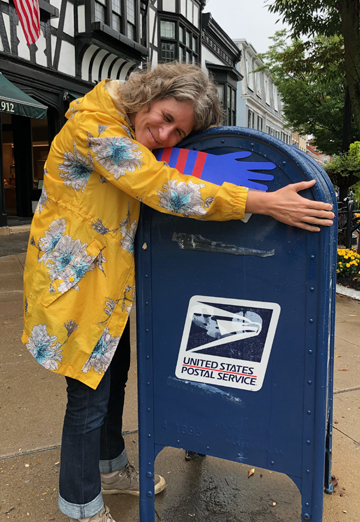
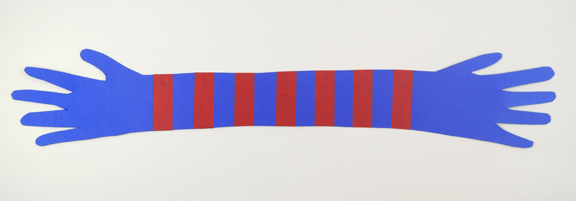 OK, you’re ready to start hugging – and by hugging we mean go forth and find things to wrap your poster board hug around! You can just use the paper hug, or get right in there and use your arms too. Always dedicated to seeing a project through, Katie and I hit the streets on a rainy afternoon to share the love with Princeton.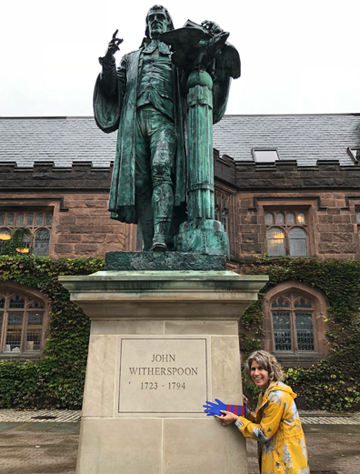
 A mailbox clearly in need of a hug.
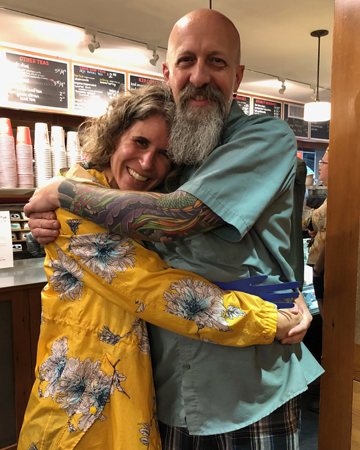
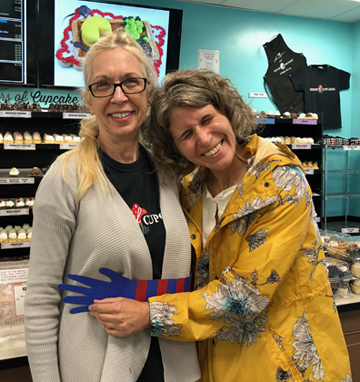
 Hugging a roaster and barista pal at our awesome local coffee shop, Small World.
 A hug for
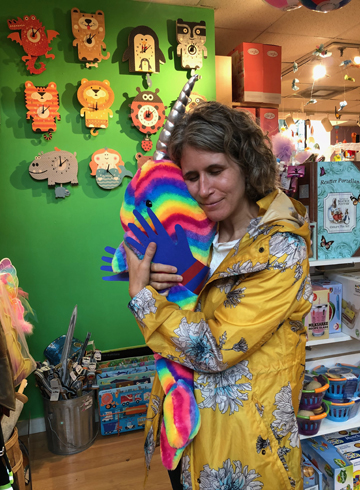
  Hugging a rainbow narwhal at JaZams, our stupendous local toy store.
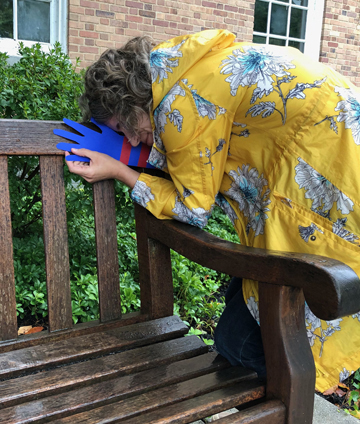
 No park bench escapes me…
 Nor jungle-like foliage…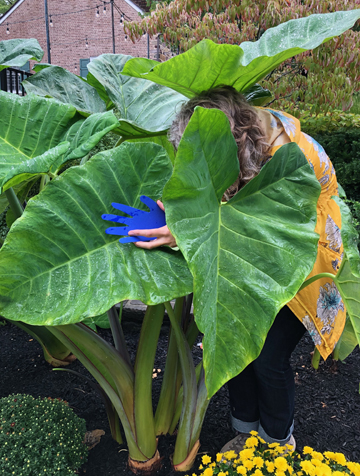
 An attempted hug of one of Princeton’s famous black squirrels…yeah, no go.
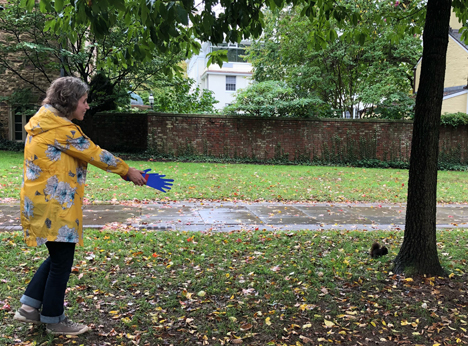 Finally, a hug from a random person who totally rocked the love. Awwwww!
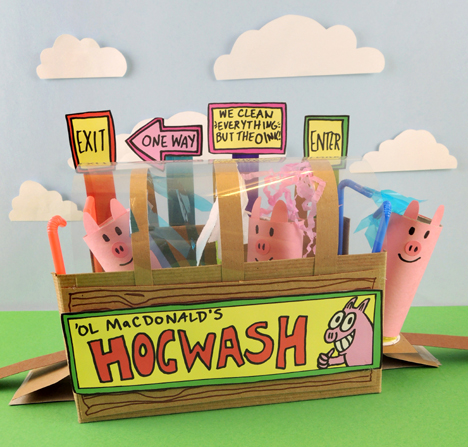 Messy muddy piggy problems? No worries. Just send the gang through the Hogwash! Our patented conveyor belt technology will carry your pigs through a soaking, soaping, scrubbing, rinsing, and drying. We clean everything but the oink!
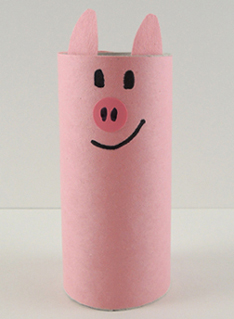 The conveyor belt is a long, narrow strip of poster board with 3 “seats” attached to it. First, hot glue 3 paper sample cups to the centers of 3 squares of poster board or
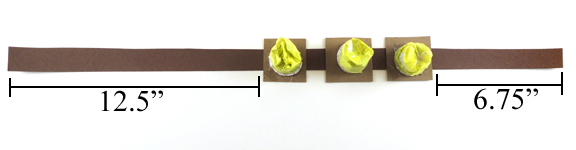
 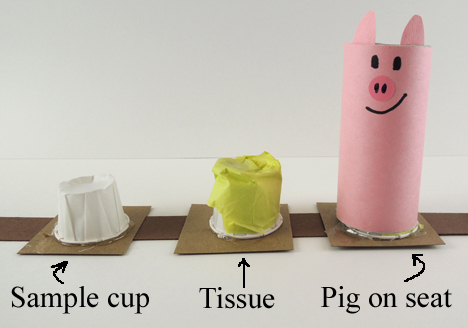 Tape or hot glue each seat to a 1.25″ x 28″ strip of poster board. Note the placement of the seats on the strip. The first seat is placed 12.5″ from the front. Why? You need to be able to load the pigs on the seats, then pull them through the Hogwash smoothly without having to repeatedly reach inside the machine. The long strip allows you to do this (trust me, we tested it!). Here’s what the finished conveyor belt looks like:
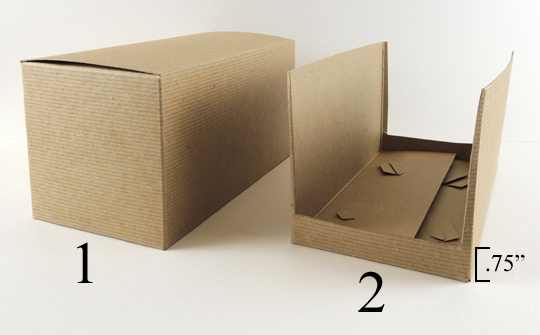
 Set the pigs and the conveyor belt aside for a moment, it’s time to make the Hogwash! Cut the top and short sides off a large box. Leave .75″ of space at the bottom of the box for the Hogwash’s ramp.
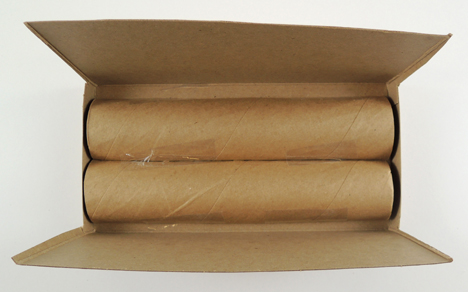
 Cut a paper towel tube in half, trim the halves to fit inside the box, then push the halves together and tape them in place. There should be no gap between them.
 Slide a strip of poster board or tagboard under the box (our box was 9″ long, so our strip was 2.5″ x 14″).
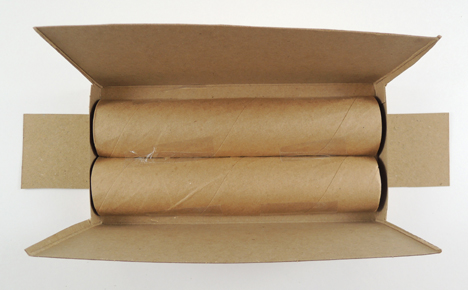 Lay a matching strip over top of the tubes and tape the ends of the two strips together. This creates the “ramp” for your Hogwash.
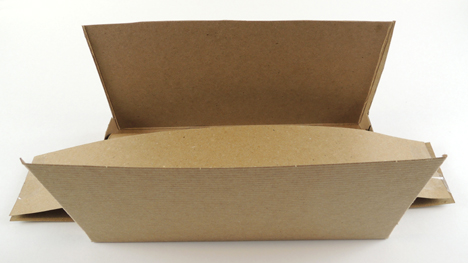
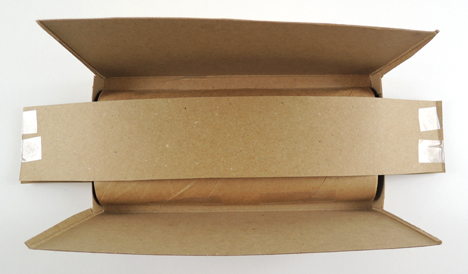 Here’s a different angle, You can see the ramp a little more clearly:
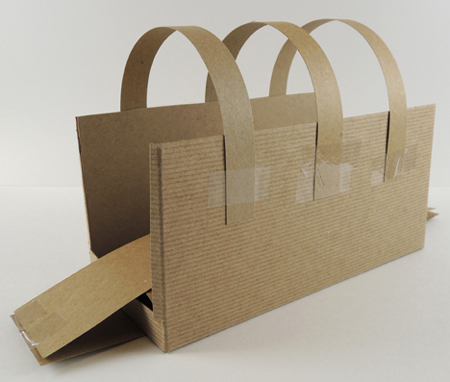
 Next, arch 3 short strips of poster board or tagboard over the box (our strips were .75″ x 11.5″). Tape them in place. Important! Make sure the arches are high enough for your pigs to easily pass under. Our arches, for example, were 3.25″ above the top of the box.
 Next are the 5 cleaning components of the Hogwash: Spray, Soap, Scrub, Rinse, and Dry. In the below image you can see them in order from right to left.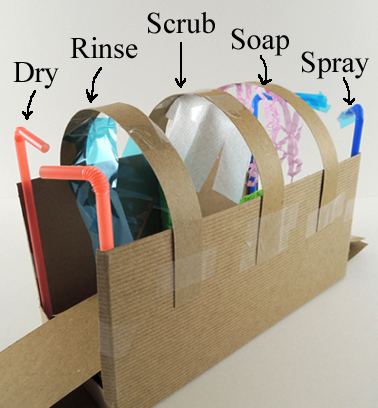
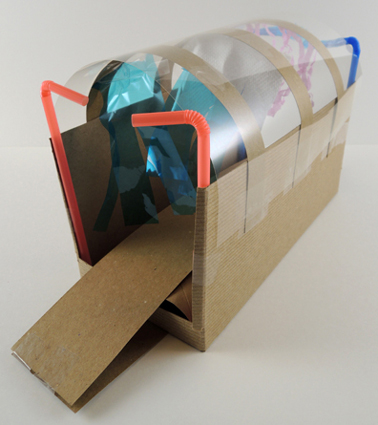 Finish by cutting, coloring, and attaching the different signs from the