
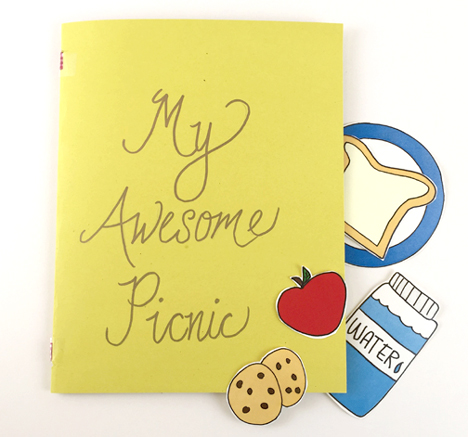
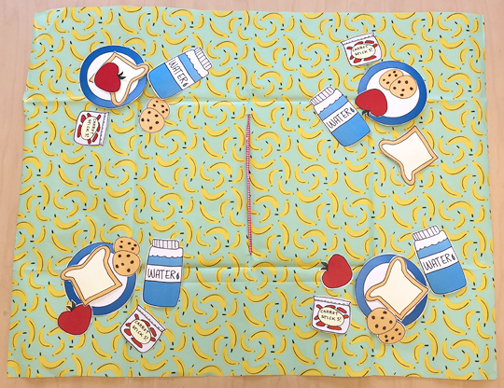
No need for a basket, this little picnic folds right up into a book! Unfurl your picnic blanket, pull your food from the built-in pockets, and you have yourself a feast with friends!
The inspiration for this project comes from a rather unusual source – a Princeton University Library Special Collections exhibit entitled “Piranesi on the Page.” It details the work of Giovanni Battista Piranesi, the foremost printmaker in 18th-century Europe. Originally seeking to be an architect, Piranesi eventually turned to printmaking and experimented with the architecture of books, innovating on the concept of what a book can be.
An example of this is Ichographia, Campo Marzio dell’antica Roma, created in Rome in 1762. Below you can see a huge map of the Campo Marzio, the ancient district of Rome used as a military training ground.
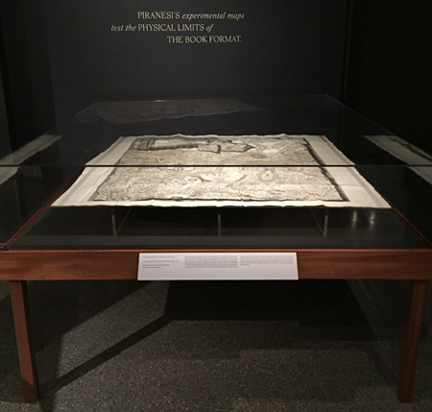
But what you can’t see at first glance is that this map is also part of a book! The photo was difficult to capture what we me crouching, the low lighting, and a highly reflective case, but hopefully you can see the open book below and how the map extends from it!
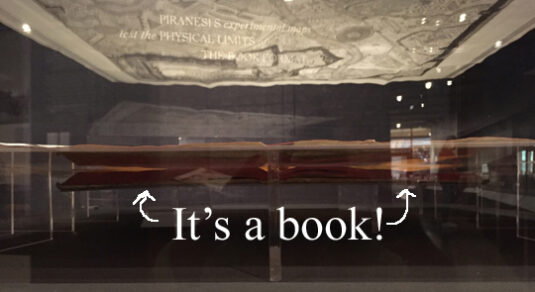 Amazing, right? It got me thinking of a huge page unfolding from a book…maps…the great outdoors…picnics…picnic blankets…aha! Today, we bring you…the picnic book!
You’ll need:
- 1 sheet of posterboard
- Wrapping paper
- 1 craft tie or pipe cleaner
- A set of picnic set templates, printed on 8.5″ x 11″ cardstock
- Scissors and tape for construction
- Markers for decorating
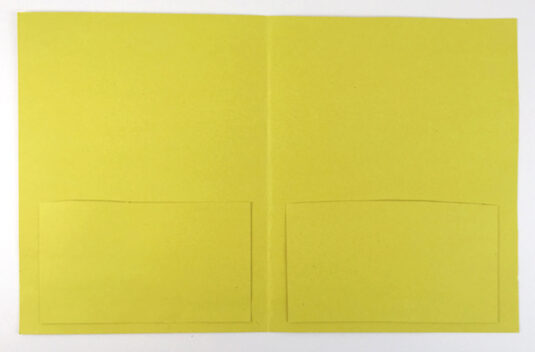
First, prepare the cover of your book. Fold an 11″ x 36″ piece of posterboard in half to create a cover, then tape or glue two, 4.5″ x 7.5″ pockets to the inside.
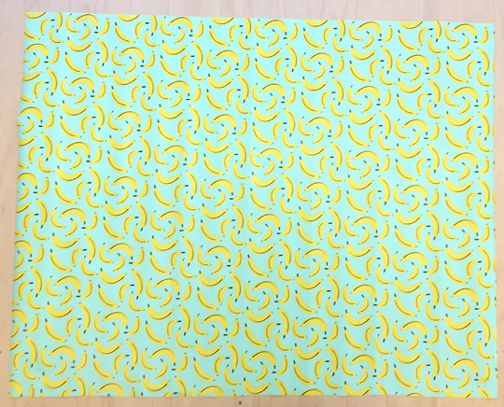
Now for the picnic blanket page! Begin with a 25″ x 31.5″ piece of wrapping paper, laid out flat, design side up…
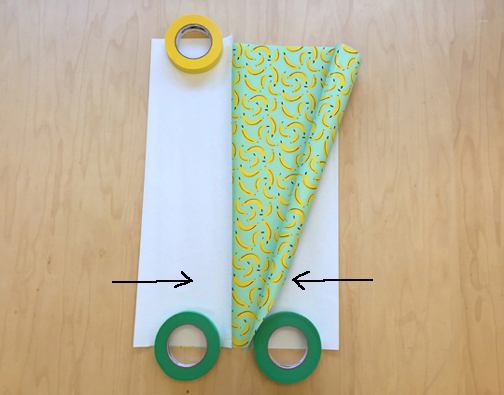
Fold the right and left sides of the wrapping paper inwards, meeting in the center (apologies for the masking tape rolls…the wrapping paper wouldn’t stay flat for the photo!).
Next fold the top and bottom upwards and downwards, meeting in the center.
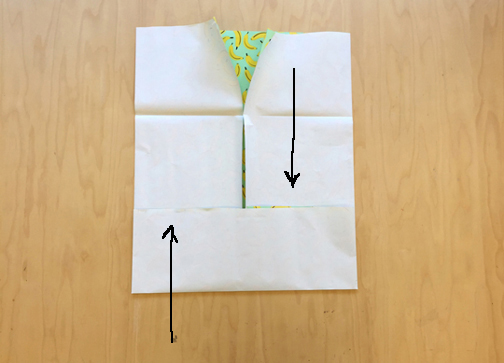
Finally, fold the wrapping paper in half, to the right, so it fits inside the book’s cover like a page…
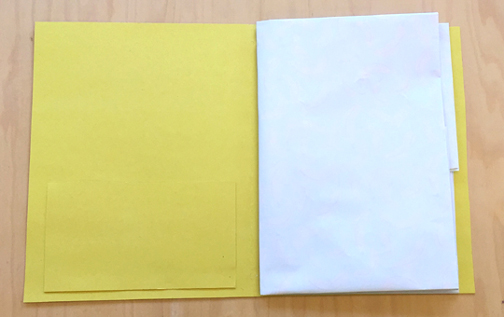
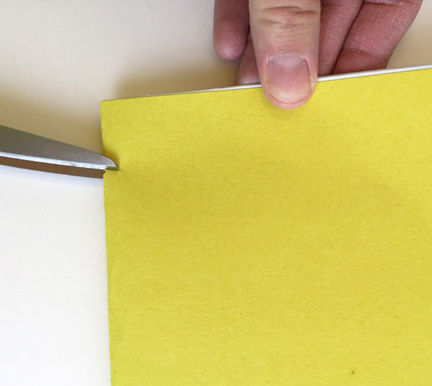
To attach the page to the book cover, use scissors to cut 2 small slits, each about 1″ from the top and bottom of the cover. Make sure to cut through both the cover and the pages!
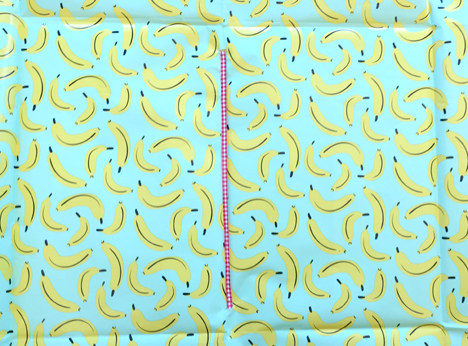
Now unfold the picnic page, located the slits, and thread the ends of a craft tie or pipe cleaner through both.
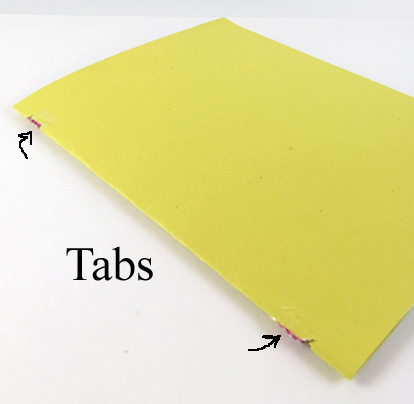
Refold the picnic page, close the cover, and locate the two ends of the craft tie. Tab them sharply to the spine of the book cover, and reinforce the connection with tape.
Print as many picnic place settings as you would like from the template, then color and cut them out. Slide them into the pockets of your book.
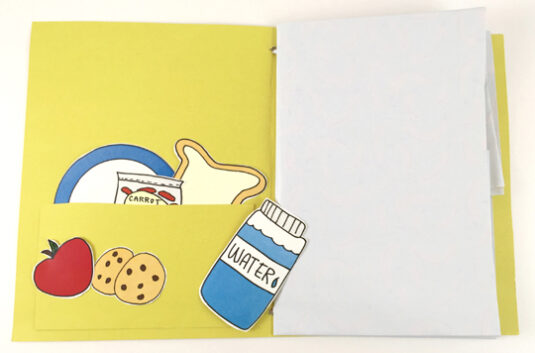
Add a title to the front of your book, tuck it under you arm, and head out for a picnic with your favorite friends or stuffed animals!
If you’re feeling extra creative and Piranesi-inspired, instead of having a picnic blanket with a wrapping paper design, flip it over to the blank side and draw a map leading to your favorite picnic spot or literary landscape!
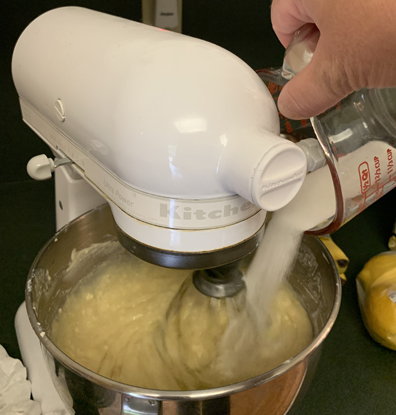
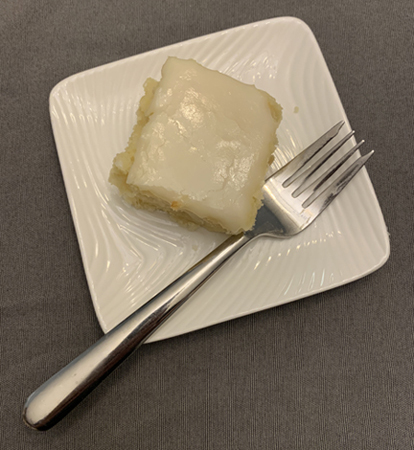 It was the best of cakes, it was the worst of cakes. Armed with a recipe, lemons, and an inordinate amount of patience, Katie took a Lemon Bar Cake Bake literary recipe for a test drive….twice. Which means I got to eat TWO cakes Katie baked. Which means yum (though, as you will soon read, one was a tad melancholic). Take it away Katie!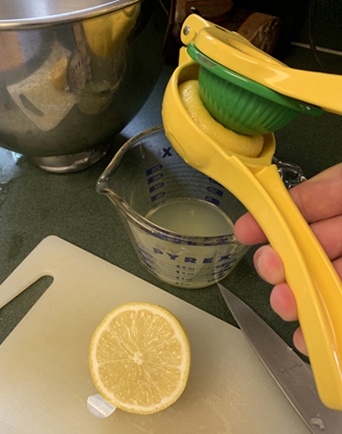
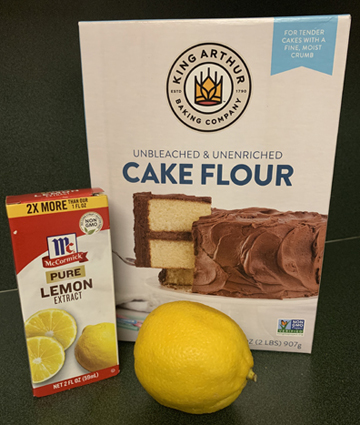
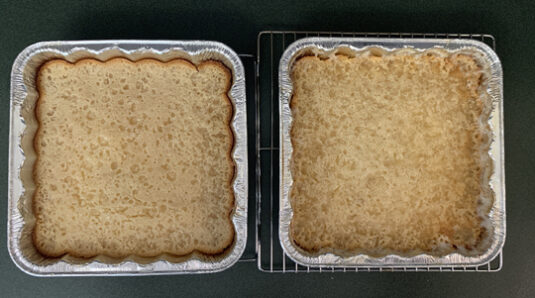 Sad and defeated, I threw what was left of my original lemon bar cake into the trash. I later learned the cake I sent with my son also ended up in the garbage. The beachgoers shared my opinion and were underwhelmed with the texture and flavor of the cake.
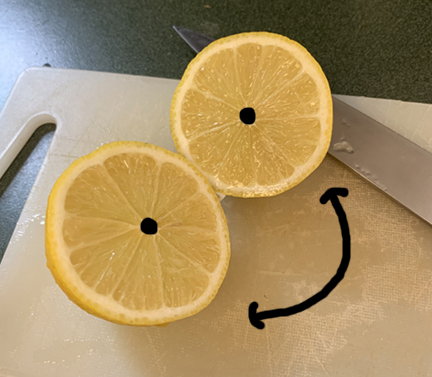 I sifted the dry ingredients together, the butter was fully melted, I had plenty of fresh lemon extract, and I let my mixer run for an extra minute to make sure all of the ingredients were blended well together. I slid the new cake into the oven, hopeful the changes would yield a better result.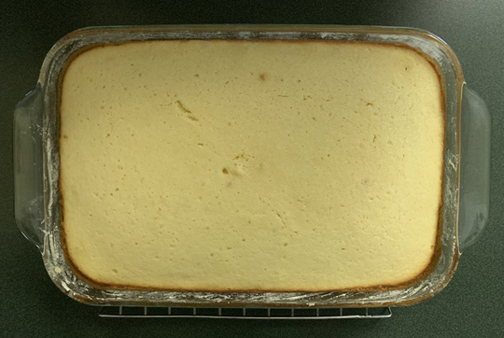
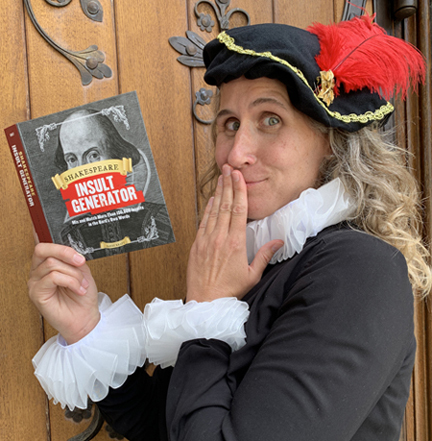 Prepare to “Insult, exult, and all at once” (As You Like It, Act 3, Scene 5). Because today we’re reviewing the epic Shakespeare Insult Generator from Becker & Mayer! Wither you stub your toe on a rock, or are trading barbs with your bitter rival…if your situation requires a fiery oath or stinging retort, you are in good hands with the Bard!
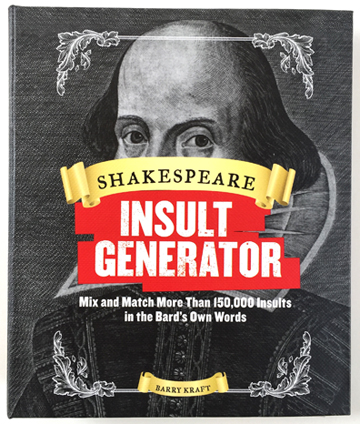 Retailing for around $9 on Amazon, this little spiral-bound volumes includes 162 Shakespearean words. The pages are divided into three sections (the top and middle sections are adjectives, the bottom section is a noun). The sections can be quickly flipped to create 150,000 original insults.
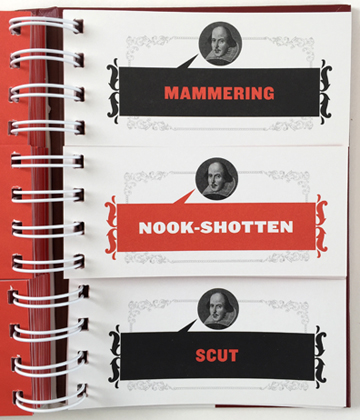 The cool thing is when you flip each section, the word is defined on the back. So if you are wondering what a “scut” is, it’s actually “the short, erect tail of a deer.”
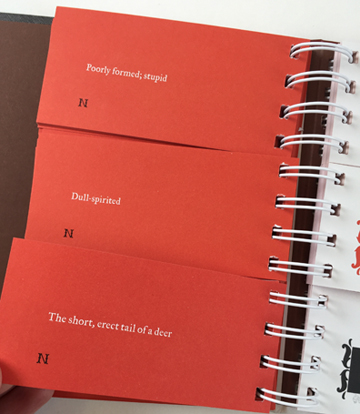 In addition to being visually pleasing, the book comes with a fascinating and humorous introduction. Among other things, you learn that words marked with a feather icon means they were most likely invented by Shakespeare. Words marked with an “N” are ones he only used once (also referred to as “nonce” words). As you can see in the above photo, all three words are nonce. Amazingly, of the 162 words in the book, 22% were invented by Shakespeare, and 64% are nonce! That’s some amazing word-smithery, that is.