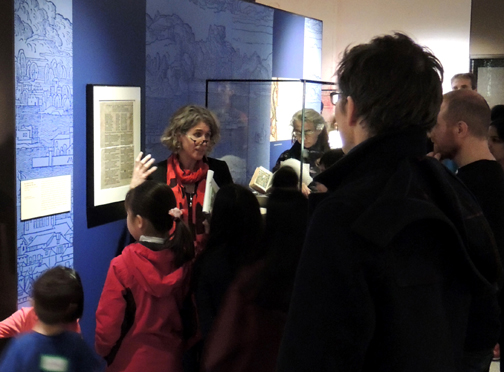
 Recently, the Department of Special Collections at Princeton University Library hosted an amazing exhibit, “Gutenberg & After: Europe’s First Printers 1450-1470,” and our library hosted a special event that featured a children’s tour and hands-on activities. If you’ve ever wanted to do something related to printing and the history of the book, read on!
The Gutenberg exhibit featured early European books that were printed on the first moveable type printing presses, including the world’s first dictionary, medical texts, law books, and the big granddaddy of ALL rare books, the Gutenberg Bible. That’s me in the above photo, leading the tour.
During my talk, I discussed hand-written books before print, how the early printing press worked, and how the growing availability of printed books evolved us into a culture of reading and writing. I had quill pens, actual 15th-century illuminated manuscript pages (thanks to this program!), vellum, and pieces of moveable type for kids to handle.
Meanwhile, in our children’s gallery, we had three hands-on activities: 1) Calligraphy; 2) A typewriter petting zoo; and 3) A pasta machine printing press.
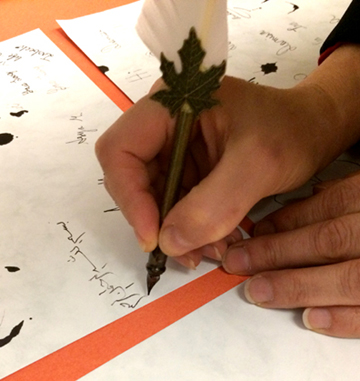
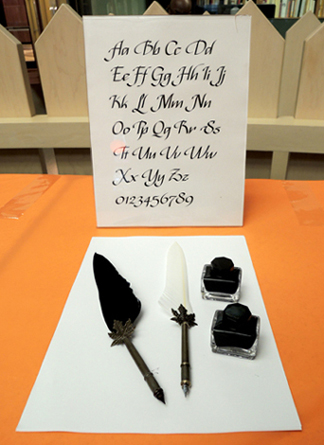 For the calligraphy activity, we purchased both traditional feather quill pens and metal nib quill pens on Amazon, along with bottles of ink. Katie printed different examples of calligraphy so kids could replicate some letters. We also had calligraphy pens and brush pens in rainbow colors. Everyone loved trying the pens, and the calligraphy wasn’t just limited to the English language…
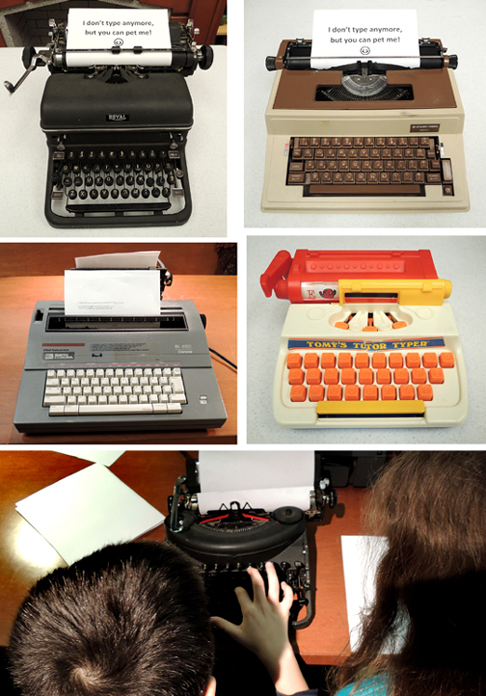
 We also had a massively popular typewriter petting zoo. There were 5 typewriters in all, 2 working, 2 non-working, and 1 toy for the really little kids. Kids could touch, explore, and clatter away on them! Katie and I were a wee bit worried about how loud the zoo would be, but quickly learned that the sound of multiple typewriters is actually incredibly soothing (at least to us!).
 The final activity was something I’ve been wanting to do ever since I spotted in on the Eric Carle Museum‘s blog (see this post for my tour of their awesome art studio). Namely, A PASTA MACHINE PRINTING PRESS! It was fantastic.
You can find detailed instructions here on the Carle’s studio blog. But basically, you’ll need foam trays, a carving tool, paint, rollers, paper, and a pasta machine. We purchased the cheapest one we could find on Amazon. It was $28. Just make sure the one you buy clamps to the table
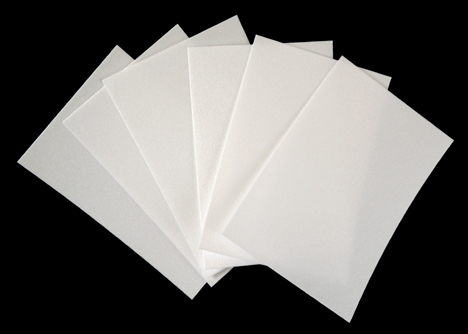
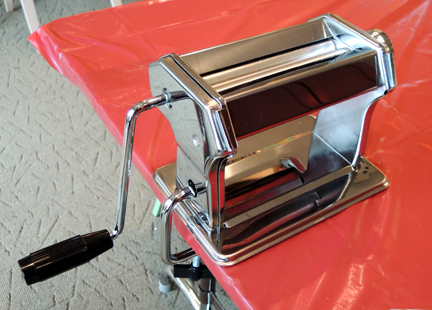 The steps for the activity are as follows: Firs, use a tool to carve a design into a foam sheet. The tool can be a pen, pencil, or wooden scratch art styluses. The foam sheets are the same material that meat is packaged on. We bought thinner versions on Amazon (Presto foam printing plates, a 100 pack of 6″ x 4″ sheets is $15).
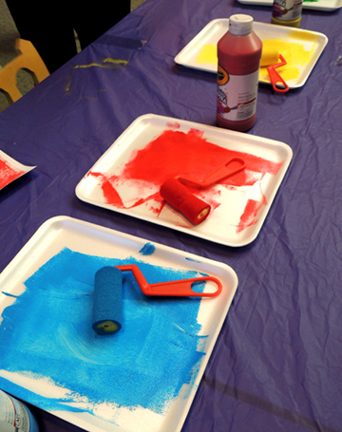
 Next, roll paint over your engraved foam sheet. We used trays to reduce the mess. They were definitely helpful!
 Finally, place a piece of paper on top of your painted engraving and run it through the pasta machine printing press. Peel the foam sheet and the paper apart, and you have a beautiful custom print!
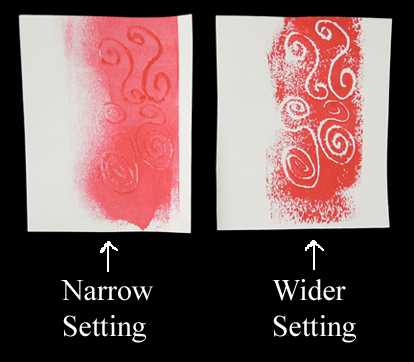
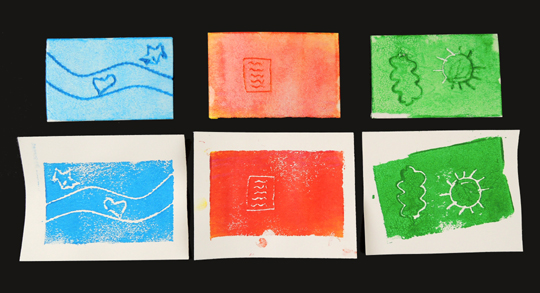 Important! Make sure the pasta machine is set to a wider setting. As you can see in the photo below, if the machine setting is too narrow, the paint will just squish into the lines of your engraving. The wider setting allows to white lines of your design to appear.
 Also, make sure kids know that if they want to print words, they have to carve them backwards as the printing process reverses the carved image. And you might want paper plates handy so kids can transport their still-damp prints home.
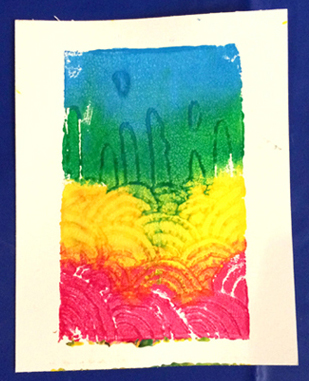
What’s really cool is that some kids started experimenting with printing in multiple colors. Including THIS gorgeously vibrant one. LOVE!
Many thanks to Eric White, Curator of Rare Books, for his enthusiasm, expertise, and assistance in designing the children’s tour. And to AnnaLee Pauls, for generously loaning her beloved and amazing typewriters to our petting zoo!
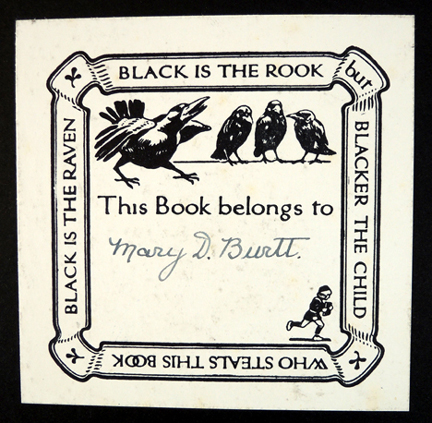
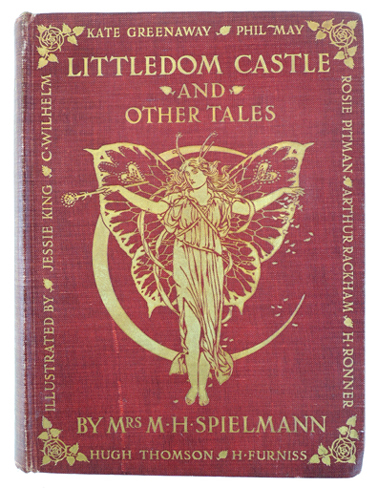
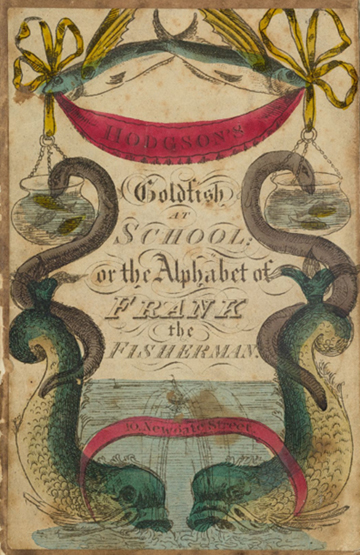
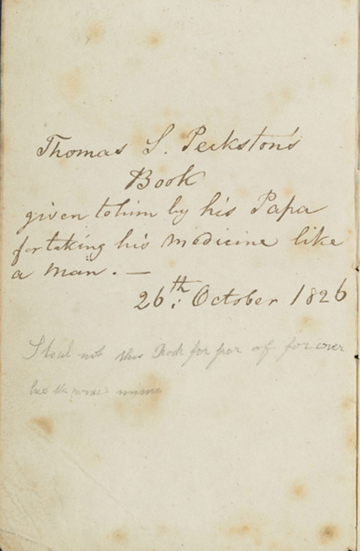 If you hop over to Cotsen’s fabulous curatorial blog, you’ll find this post,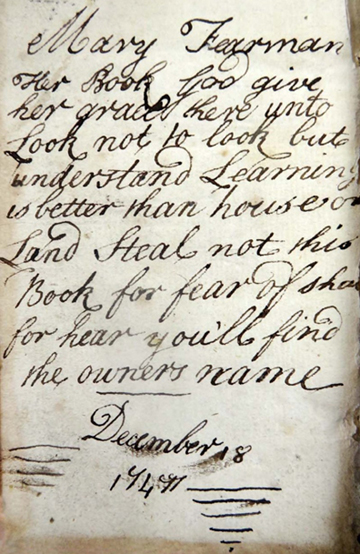
 In the Secret Garden, the 3 children build a private world within their walled garden, and we wanted to replicate that feeling. We found these terrific 39.5″ x 39.5″ x 43.5″ canvas play tents on Amazon (a bit pricey at $65 a pop, but they will be used for other events, so win!):
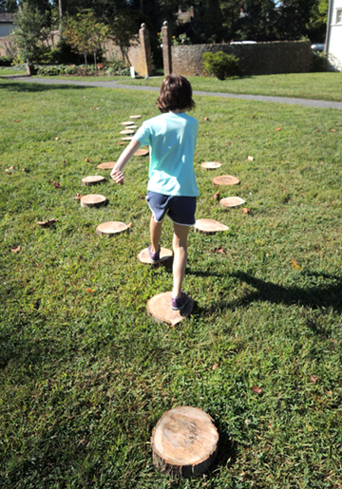
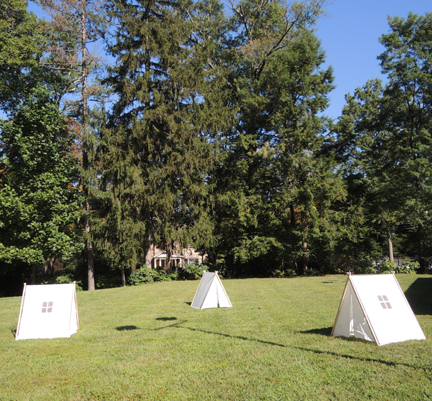 The tents were a HUGE hit, and were in constant use all day long. They were light enough for kids to move around, so there were a number of interesting configurations throughout the day (my favorite being a long tent tunnel). Not far from the tents were wood slice stepping stones, which Princeton University’s Grounds & Maintenance was kind enough to donate…
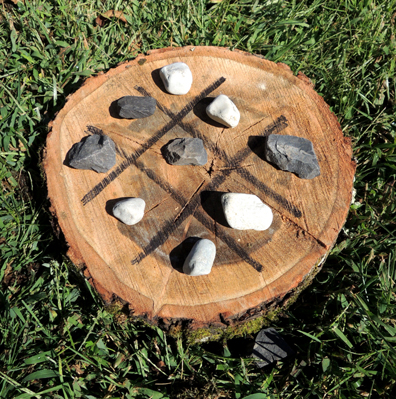
 We pulled aside 2 of the larger wood slices to make tic tac toe boards. Use a permanent marker or paint to draw the board, and 2 different color rocks for the pieces.
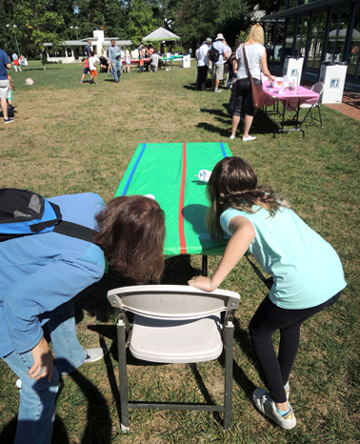
 In addition to tic tac toe, we had a natural wood ring toss for the younger kids, and this cool Finnish game called Mölkky for older kids…
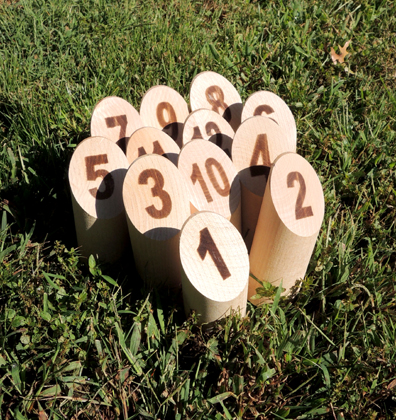 You will find a full description of Mölkky
 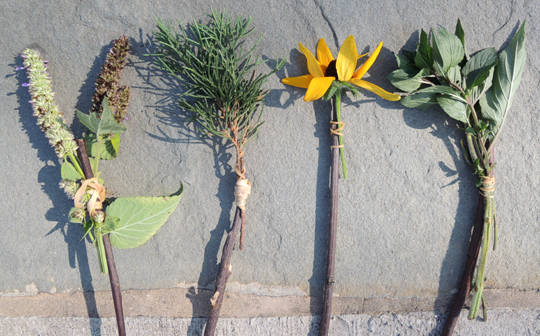 The brushes are 10″ sticks (thanks again Princeton Grounds & Maintenance!) with various flowers and foliage attached to the ends with rubber bands. Kids dipped the brushes into bowls of water and experimented with the different patterns the brushes created on the slate patio.
 We ran 5 hands-on craft tables at the event as well: nature print bookmarks, paperclip robins, bean mosaics, racing caterpillars, and butterfly feeders.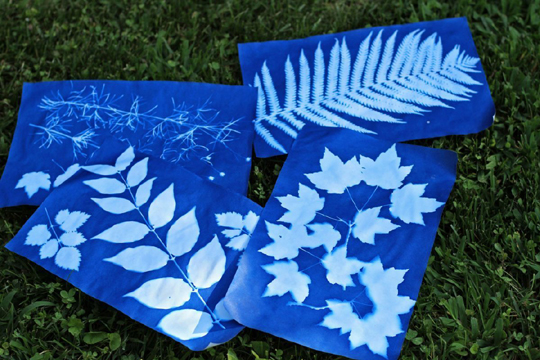
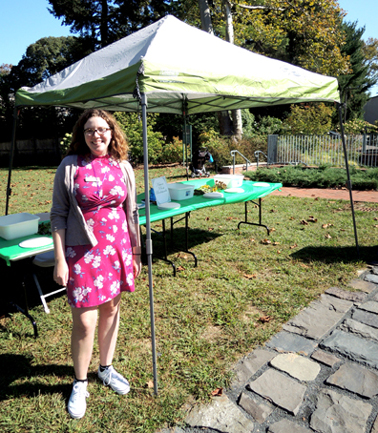 This photo was taken right before the event officially started. Hope was pretty much mobbed the rest of the day. TOTAL TROOPER.
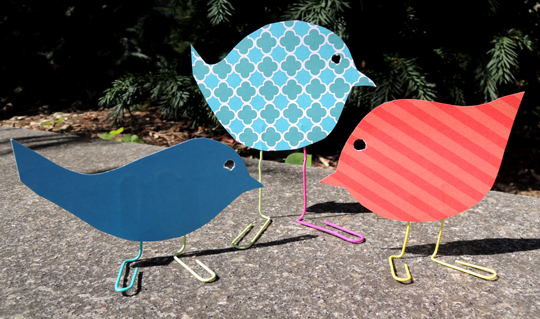 A robin plays an integral part of introducing Mary to the secret garden, so we borrowed this craft from Family Fun magazine. All you need are a pair of paperclips, heavy weight paper, scissors, tape, and a hole punch. Voilà! Personal robin!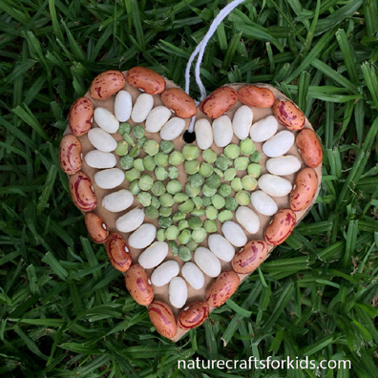
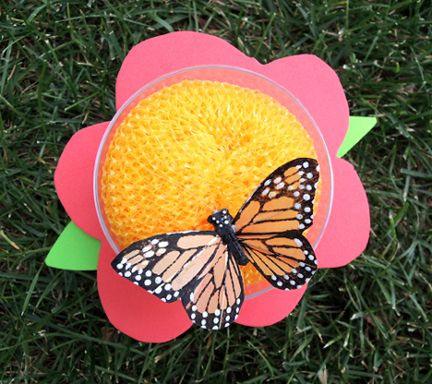 This project was previously featured in a sneak peek post (which you will find
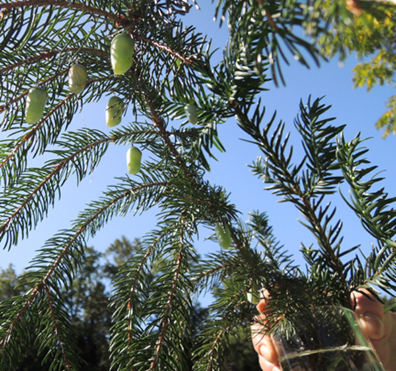
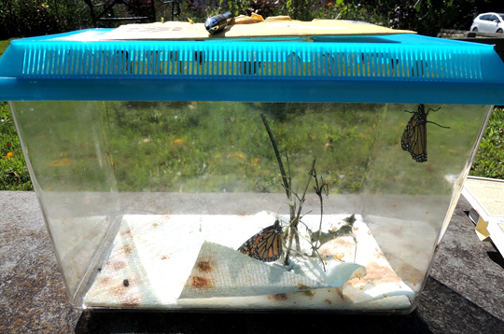
 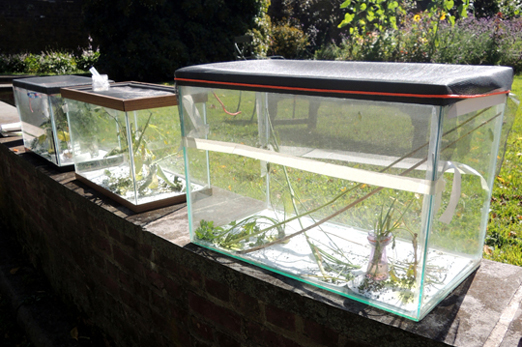 Louise brought out a trio of tanks and monarchs in their various forms to lecture about life cycles and butterfly science. Then she tagged and released monarchs to the skies!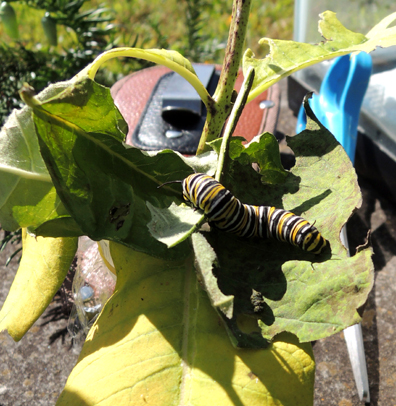
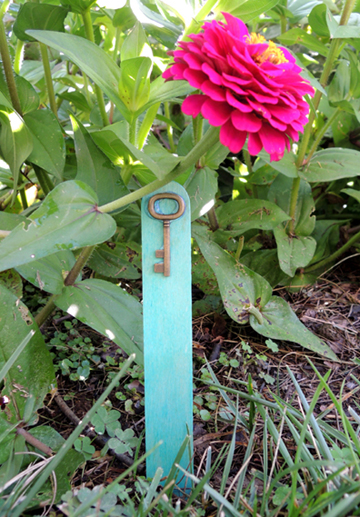 Each key was assigned a rainbow color so kids would know when they found all 6. Once they reported their success at key hunt HQ, they were rewarded with a vintage mini key of their choice (and yes, we are STILL reusing those mini keys we bought bulk for