 These days, independently owned bookstores are an endangered species. And independently owned children’s bookstores? Those are as rare as unicorns (and some may argue, just as mythological). It is with great joy, then, that I share a very special children’s bookstore situated in the little town of Hopewell, New Jersey.
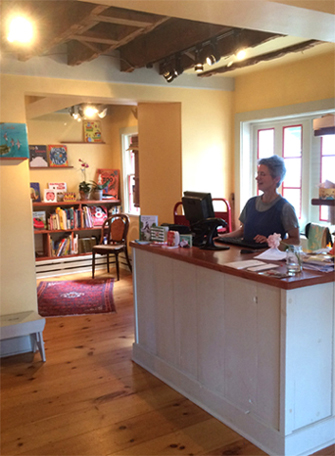 The Bear and the Books is an utterly charming space bursting at the seams with books, imagination, and consideration for those journeying on the paths of early literature. At the store’s heart is owner Bobbie Fishman. Bobbie managed the children’s departments of two local bookstores for 14 years before opening the Bear and the Books in 2013.
Why did you decide to open the shop?
I love what I do, and I believe that children need to see good books, not necessarily the books that are being marketed heavily by the publishers and – therefore – press. Children are taught what they are supposed to want by the media, which I believe is all tangled up in marketers’ ideas of what will sell. Good books are not written to be “something that will sell.” I just want good books to have half a chance in children’s minds. I’ve often said that my job is reading children’s books in the bathtub and then getting out and talking to people about them. The conversations I have with customers about children’s books are what I’ve come to love – those conversations are what I think I have to offer. (Otherwise, I’m quite shy.)
A number of months after I left my previous job, when I was trying to figure out what was going to come next in my life and I had been thinking I would do something completely different, this space in my town was looking available. It was affordable enough for me to think about taking the risk of opening a shop. I’m afraid I was too attached to these books to leave them.
 How did you decide on the name of your shop?
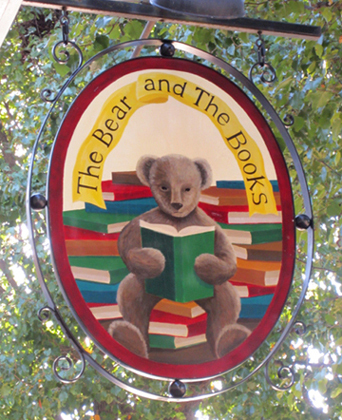
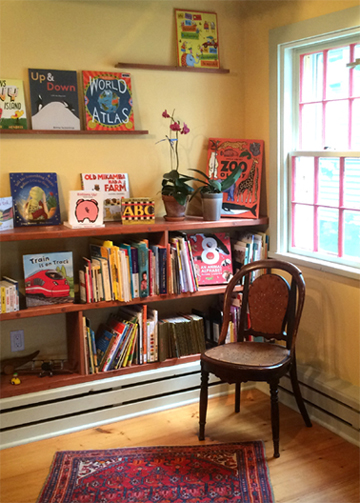
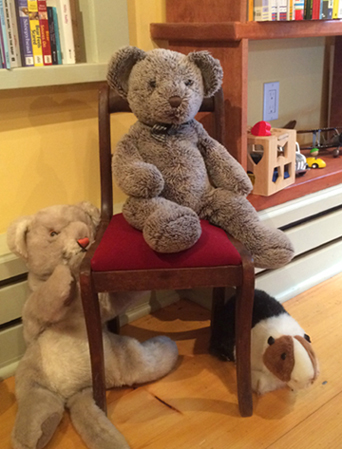
The bear was the bear left in Micawber [a former local bookstore] by my friend Liz Flemer who worked there before me; she put it there for children to play with, along with a few other toys. It got dragged around and slobbered on and put to sleep in its sleeping basket again and again. When Micawber closed I took the bear home with me until Labyrinth [a current local bookstore] opened – where it continued its role. When I left Labyrinth, so did the bear. We’ve shared all our time in bookstores together, and when I knew I would open this shop I realized that the bear was a constant. What would be in the shop? The bear and the books.
 What do you love about children’s literature?
I don’t think my love of good children’s literature is much different from my love for any good literature: it has the power to surprise us and rattle us at the exact same moment it is reaching a deeply familiar place inside; it is words and art that work to show us that we are human – that we have sympathy for and interest in so much of what happens. I actually think books remind us that we are good people and that being a person can be fun sometimes. For even the youngest readers of the simplest picture books, I think this is true: They can feel “I am part of a world I can converse with and laugh with and have feelings for. This is being human, and this is very interesting.” And what you learn about yourself when a book makes you cry could be one of the most important lessons in your life.
Who designed the interior of your store?
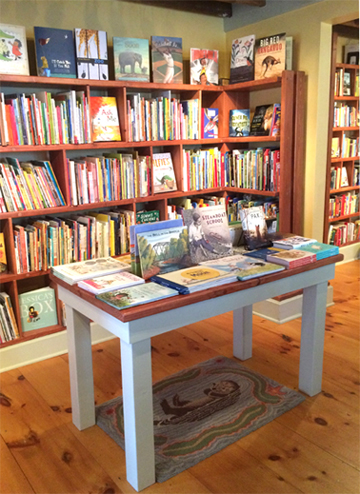
Mostly me, but I wouldn’t call it designing; rather, it was “making it up as we went along,” and I had the best of help from three wonderful carpenters, who knew even better than I did how to make it up as we went along: Chris Thacher, Phil Rayner, and Walter Varhley.
 What’s your philosophy on bookselling?
I guess I just see it as matchmaking: trying to figure out what can please someone. With children, I want to know what they’ve been reading or hearing that they love and I take it from there. Oddly, although I do try to go close to something the child likes, I realize a goal is to move them a small bit away to something different; and it is often when I make what I think is an out-of-their-line suggestion, that is the book they will go for. Children are often more flexible and more widely interested than they want to admit – or perhaps than they know.
What is Bear Mail Books?
Bear Mail is a plan one can sign up for to have books chosen by me for a particular child and mailed to the child at regular intervals, usually one each month. Most Bear Mail customers sign up for a year’s worth of shipments, but I will do it for any span of time, and some customers have books sent every other month, or 2 books a month. I try to send books that not everybody knows.
How do you select the books for the recipient?
I find out what I can about the child: How old? What’s he or she been hearing or reading that she likes? Are there older siblings in the house? Do they want books that will be read to the child or that the child will read? I have to confess that after a while, I have made up a version of the child in my head and I will sometimes consider a book and think: “I’m not sure Helga will like this one,” and then I have to laugh because I’ve never met Helga.
 Can you name a few of your favorite books?
Amos and Boris by William Steig
An Episode of Sparrows by Rumer Godden
Gone Away Lake by Elizabeth Enright
Our Mutual Friend by Charles Dickens
A collection of poems by Margaret Wise Brown called Nibble Nibble, illustrated by Leonard Weisgard, NOT the supposed reissue by Harper (illustrated with great stupidity by someone else and only being the illustration of one poem)
Many Moons by James Thurber
An Extraordinary Egg by Leo Lionni
Cartwheeling in Thunderstorms by Katherine Rundell
Many thanks to Bobbie Fishman for letting us roam her shop, and for providing the photo of The Bear and the Books sign!
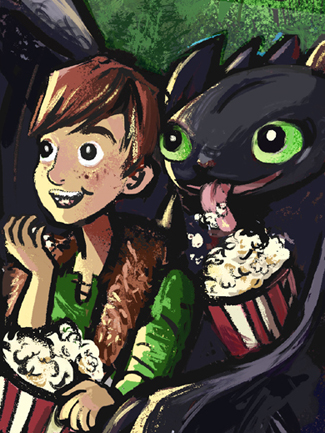
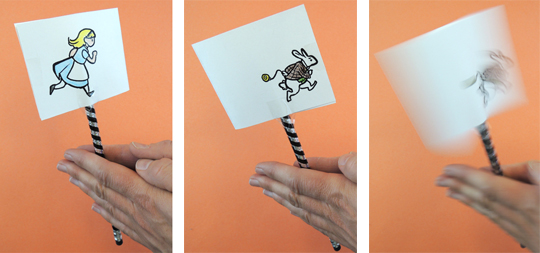
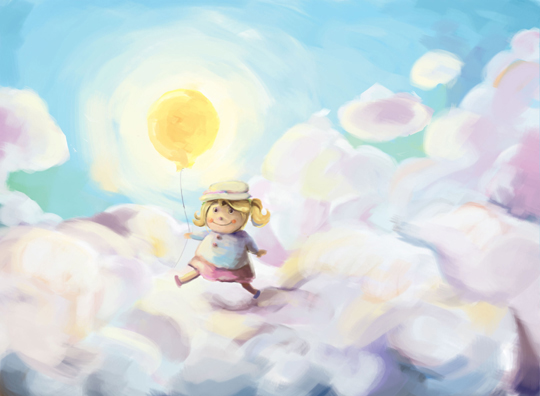
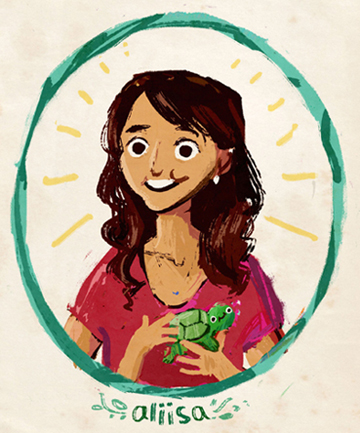 For the past four years, I have had the privilege of working with an extremely talented Princeton University student artist. Her name is Aliisa Lee, and she has loaned her tremendous abilities to a whole host of artistic endeavors at our library – project templates, event posters, logos, illustrations for children’s stories and poetry, and more.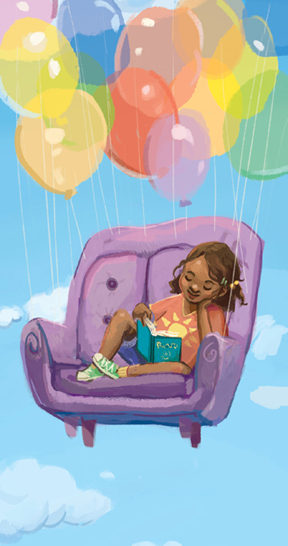
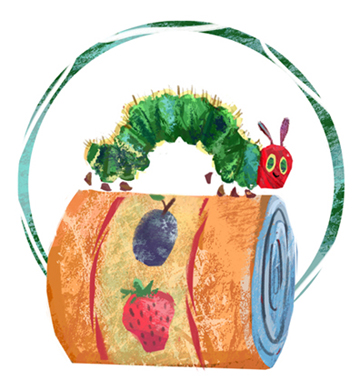
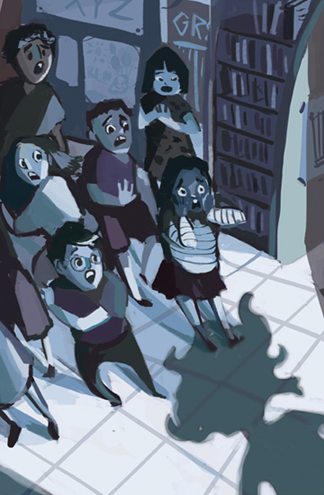
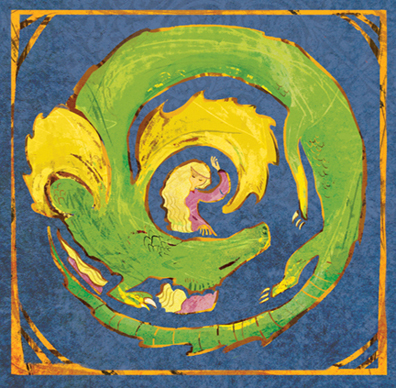
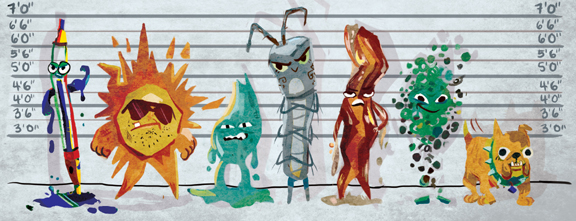

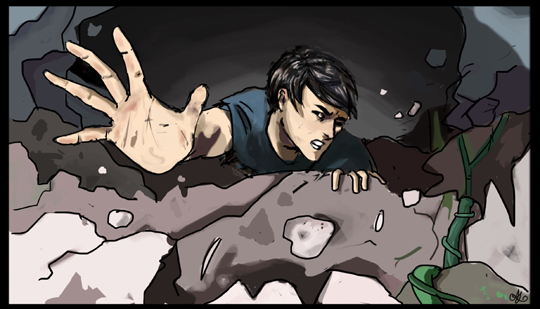
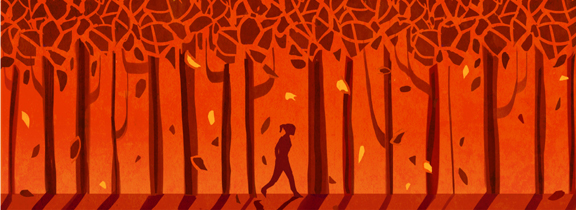
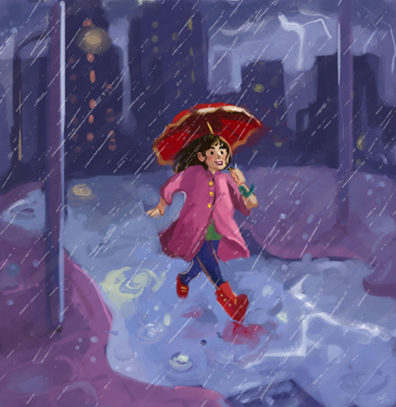
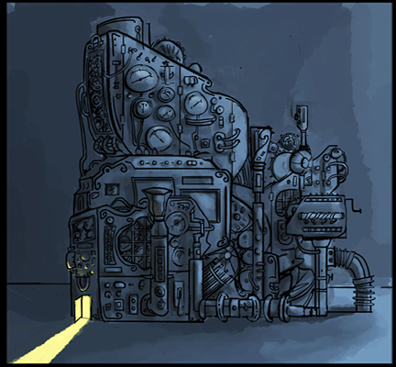
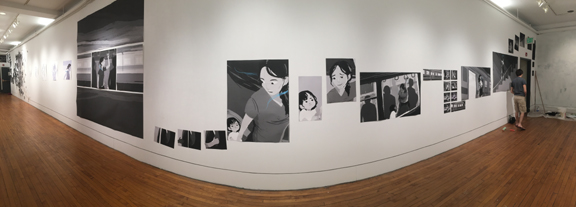
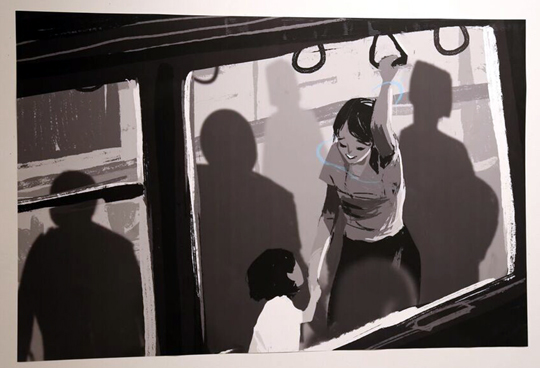
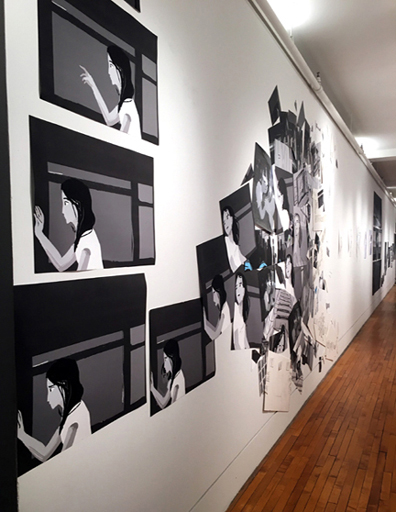
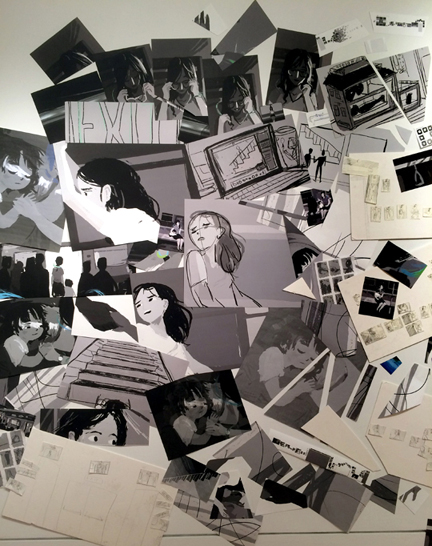 It was very, very cool to have my own show, and to use the gallery space for both art and storytelling (two things I love!)