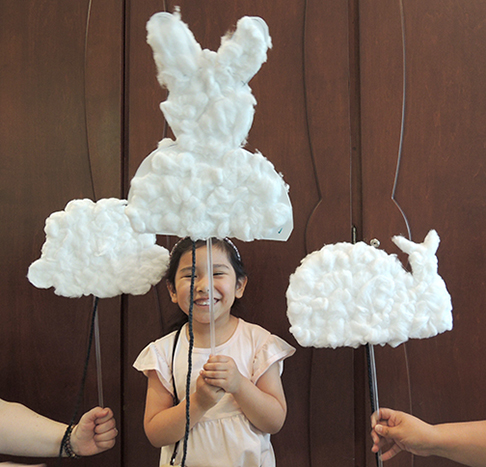
It’s a fluffy day in the neighborhood as you take a stroll with your pet cloud. It’s a simple project, but oh so sweet…just like the story!
We read Lizzy and the Cloud by the Fan Brothers (Simon & Schuster, 2022).
On Saturday, during a walk in the park, Lizzy chooses an ordinary cloud from the cloud seller (as opposed to a fancier animal-shaped cloud). She names him Milo and takes him home. Turns out, there are a lot of things you need to do to care for a pet cloud, like watering them, taking them on walks, and eventually realizing when your cloud is big enough to leave home and float free.
You’ll need:
- One 17″ clear plastic blind rod
- White poster board
- Cotton balls
- Packing tape
- A piece of string or yarn
- Scissors and glue for construction
- Hot glue
When we saw the cover of the book, we just knew we had to replicate the adorableness. I had the brilliant idea of using clear plastic blind rods (i.e. the little rods your turn to adjust Venetian blinds). You can get a pack of 8 for around $12 on Amazon (ours came with an 11% off coupon too! Woot!). A cheaper option is a section of 1/2″ PVC pipe.
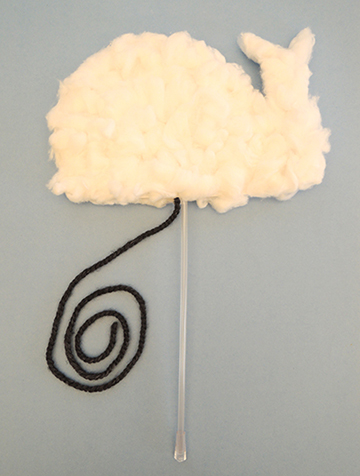
 To make a cloud, fold a 12″ x 28″ piece of poster board in half, then trace your cloud’s shape on the paper. Cut out the shape, and you have two matching cloud pieces. Cover the outer sides of each cloud piece with cotton balls. When you’re done, use the packing tape to attach the rod to the inside of one cloud piece, then hot glue the other piece on top. Add a piece of string or yarn for your cloud’s leash, just like the book!
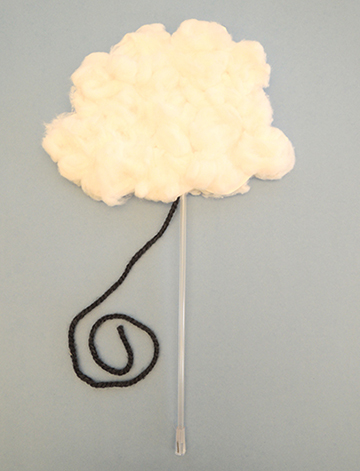
Lizzy chose an “old-fashioned” cloud for her pet, but we also made a model of an animal-shaped cloud, as seen below with this very handsome whale. Katie named him “Fisher.”
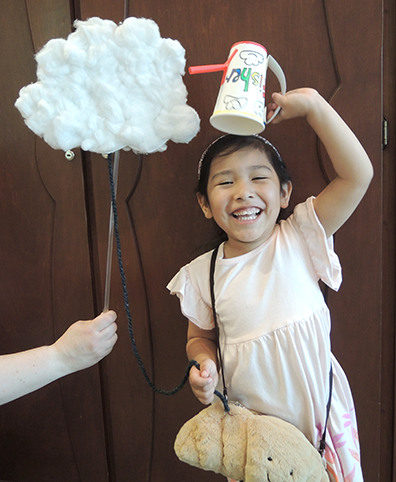
We captured a few story time clouds as they floated by with their proud owners…
You can stop the project there, or you can also create a watering can to nourish your pet cloud. It’s basically a paper cup, poster board handle, and a bubble tea straw (if you would like more detailed instructions, you’ll find them in this post).
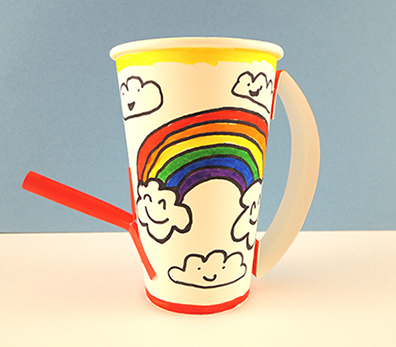
Then give your cloud a refreshing drink!
Book cover image courtesy of the Fan Brother’s website
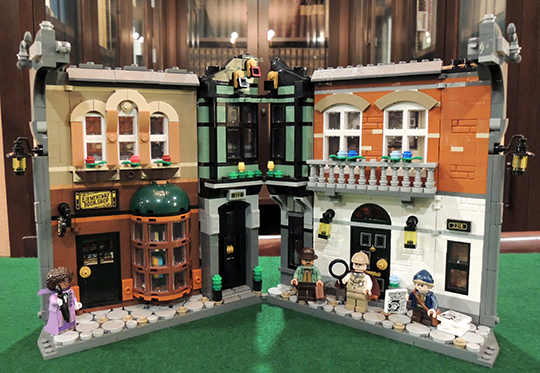
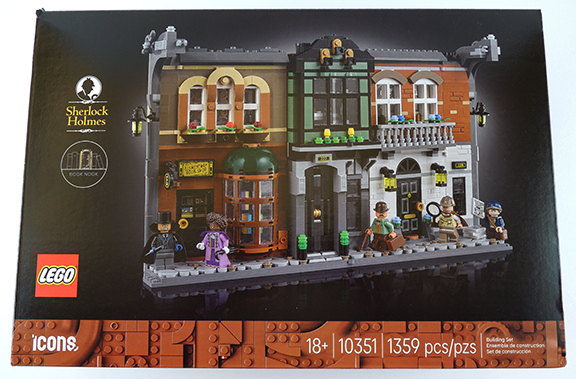
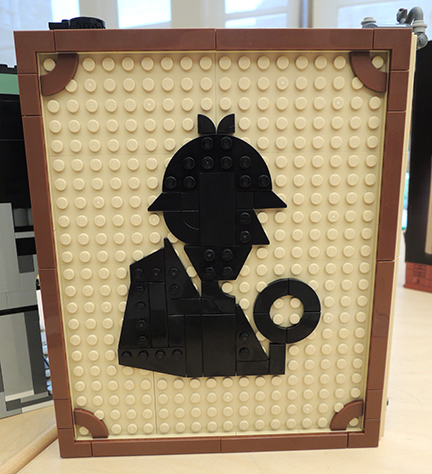
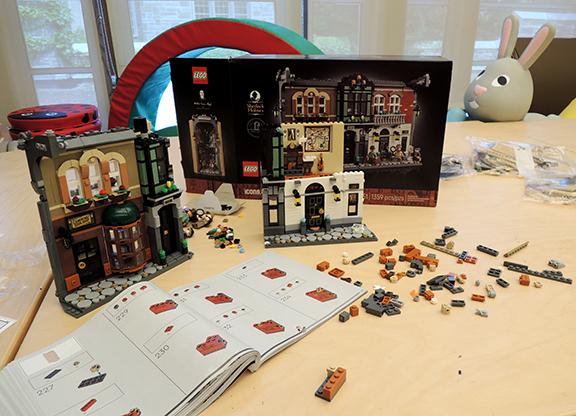 The instruction booklet has an absolutely wonderful preface that touches on the history of the Holmes books, Arthur Conan Doyle, and the various characters. There’s even a little mystery right off the bat as you tuck a significant object into Watson’s tiny briefcase! And speaking of Minifigures:
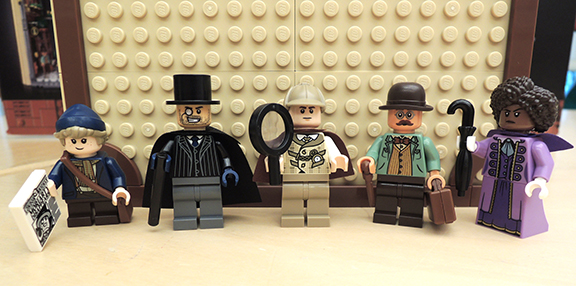 Look at Irene Adler! She’s wearing proper little white gloves! But I really started to nerd out when I got to the section that included Holmes’ study:
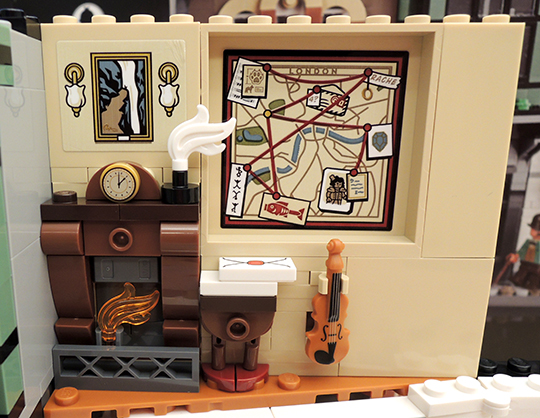 Recognize the painting over the mantle? It’s Sidney Paget’s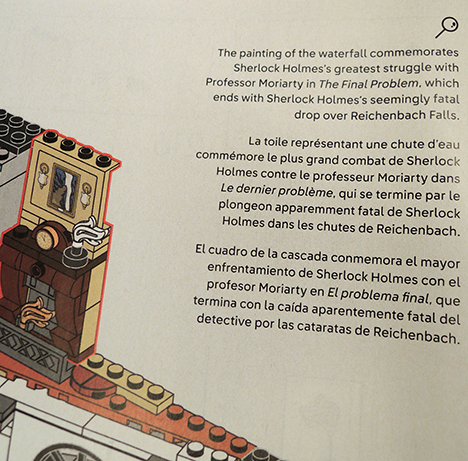
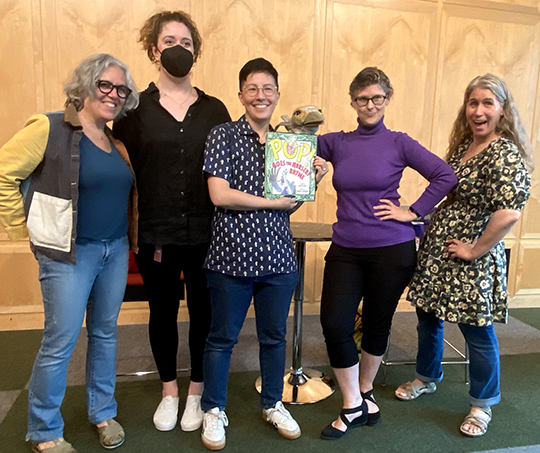
 Folks, it was a total story time PARTY! Recently, we had the honor of collaborating with the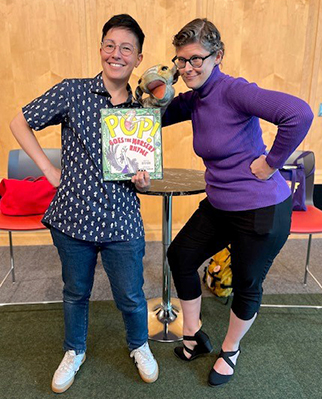
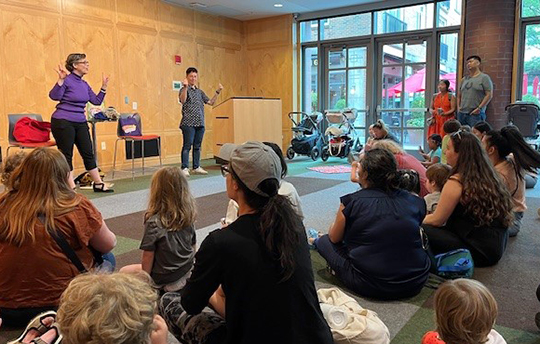
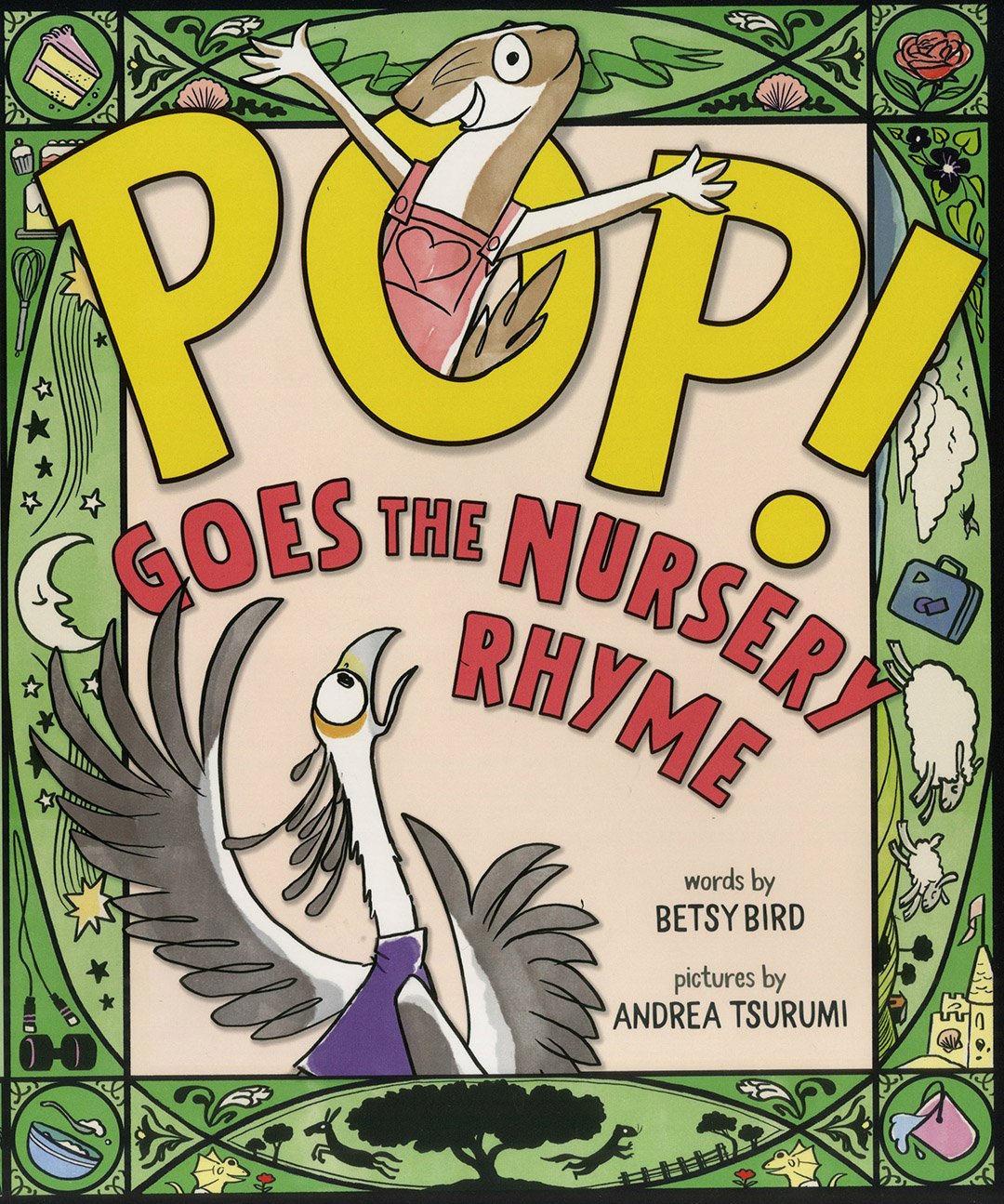
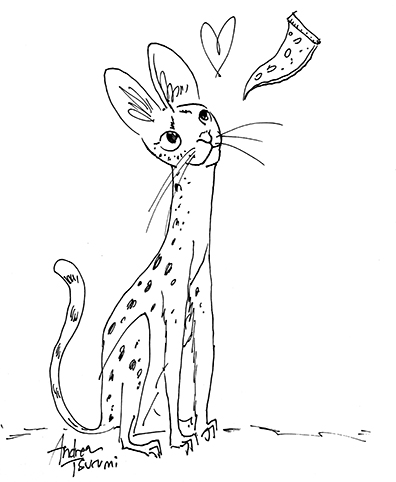 Pop! Goes the Nursery Rhyme (Union Square Kids, 2025) begins as a nursery rhyme book, but things goes quickly off the rails as a highly bombastic Weasel interrupts absolutely EVERY rhyme, much to the chagrin of the story’s narrator, a harried Secretary Bird. Kids get both the benefit of classic rhymes and the hilarious irreverence of the Weasel. It’s a wonderful and charming read-aloud, and Andrea’s jubilant and evocative illustrations build anticipation for every page turn. Our audience loved it!
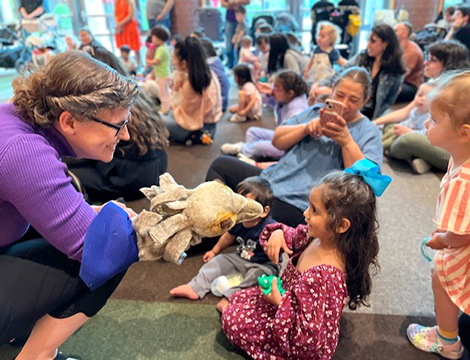 Andrea also circulated the crowds with their sketch book, showing kids what original sketches look like, and answering questions.
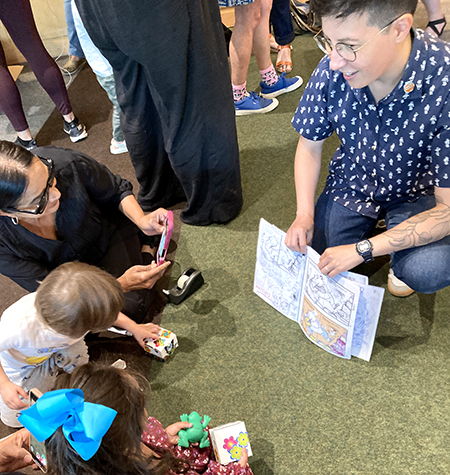 My portion of the program was the craft project, which of course had to be an enthusiastic weasel popping out of a decorated box!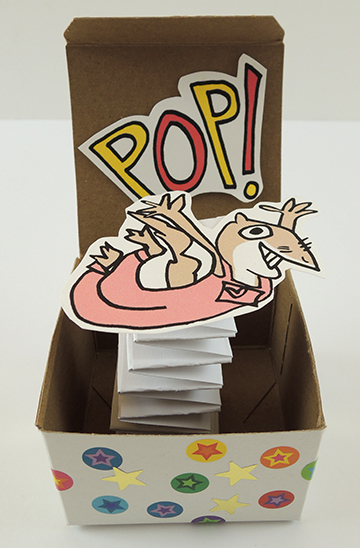
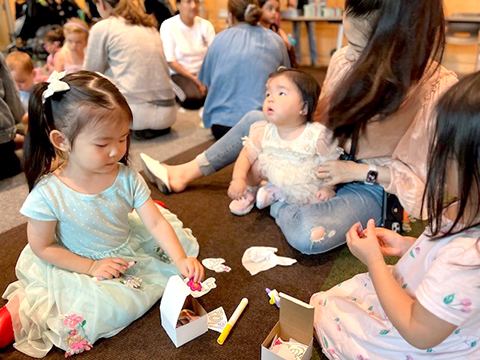 Families were also welcome to bring a little literacy love home, and acquire copies of the book for Betsy and Andrea to sign.That portion of the event was sponsored by jaZams, our independent, locally owned, and family run toy store. We love you jaZams!