May I introduce someone wonderful, marvelous, dedicated, and talented?
Quick backstory: during the pandemic, my library launched a program called First Draft. Young writers would email drafts of their creative works, and I would give constructive feedback and writing advice. Over the months and years, some writers sent multiple chapters of stories.
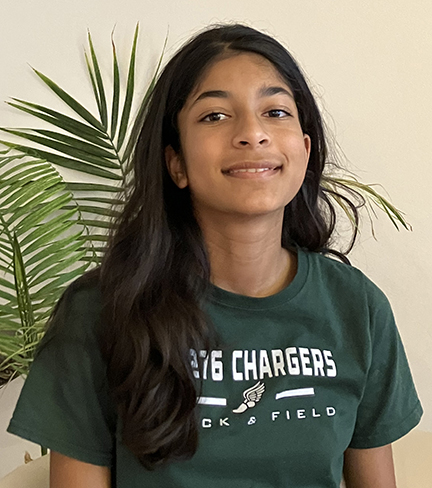
Today, we are proud to feature Saanvi Singal, a First Draft alumna who went on to publish her very own book!
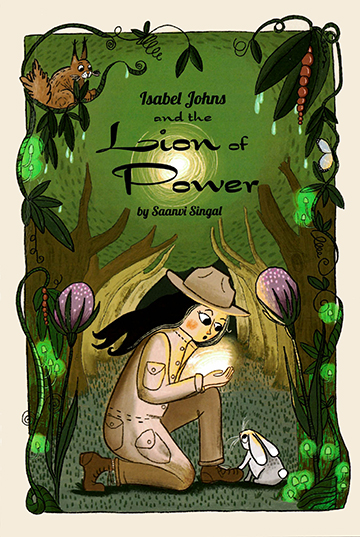
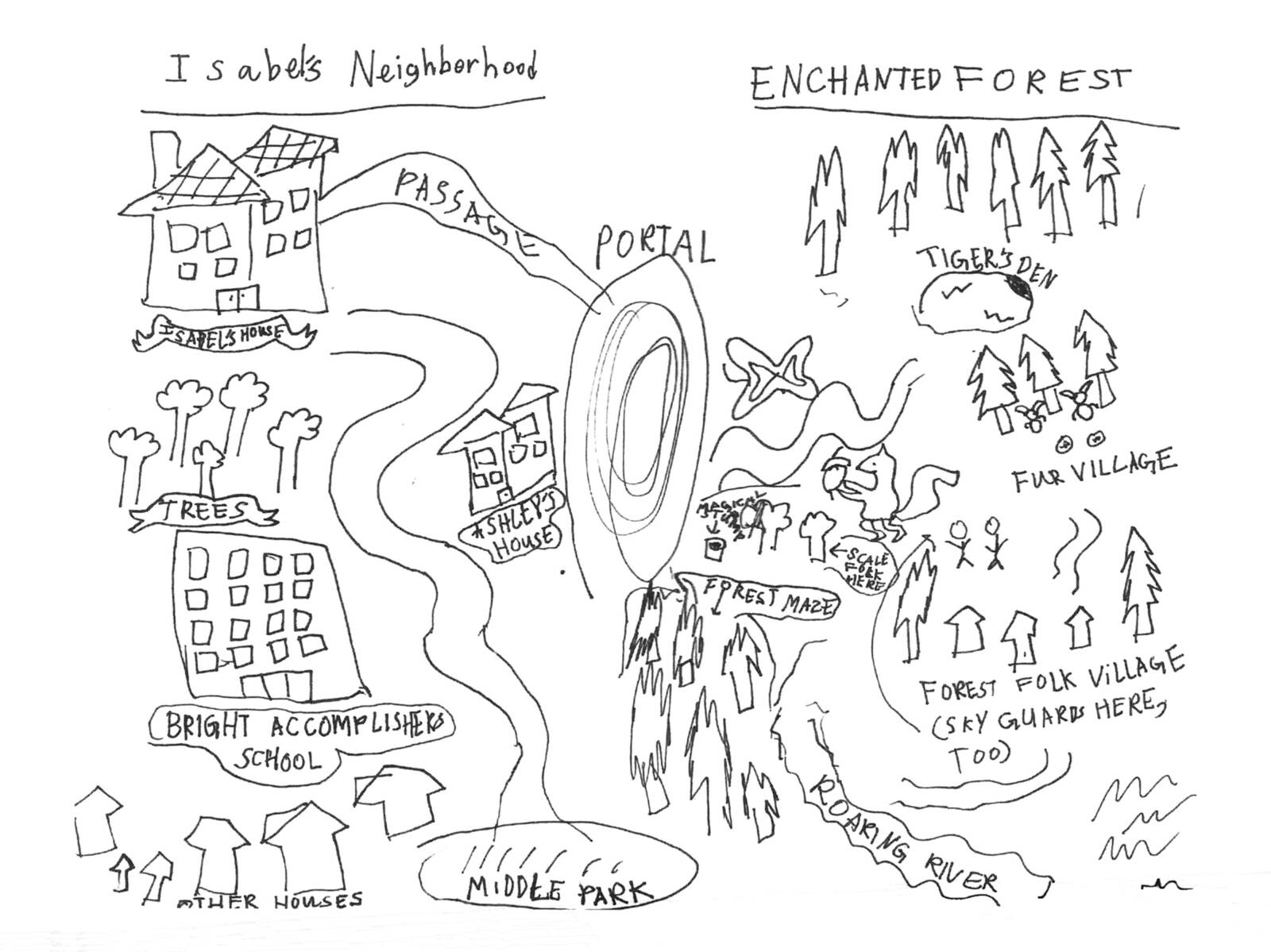
Isabel Johns and the Lion of Power is the story of intrepid Isabel Johns and her friend Ashley, who embark on an epic and danger-filled quest to defeat a terrifying fur monster. Full of science, magic, action, and suspense, the two girls journey into enchanted lands to find the magical gems needed to vanquish their powerful enemy.
Saanvi submitted her manuscript to Young Inklings, a non-profit mentoring program dedicated to the support and enrichment of starting writers. And wouldn’t you know it, she was one of two writers selected for publication! I attended her book launch and was just SO proud!
Hi Saanvi! Tell us a little about yourself!
Hi Dr. Dana! I am a sixth grader, and live in Battery Park City in Lower Manhattan. I love reading, writing and spending time with my friends.
Where did the idea for this book come from?
I took a filmmaking class after school while I was in fourth grade. My two best friends were part of the same class. While looking for inspiration for characters for my first film, I thought of the costume kit that my little sister had received as a birthday present.
There were three different costumes in this kit, a gardener, a scientist and an explorer. I decided to choose these as my film characters and imagined myself as the explorer and my two friends as Ashley the gardener and Professor Bob, the scientist.
As I was working on my film, my teachers in ELA introduced a fantasy writing unit. The planning sheets and organizers in this unit helped me build on the story and I decided to continue to write this script, making it into an eleven chapter book.
What was your writing process like?
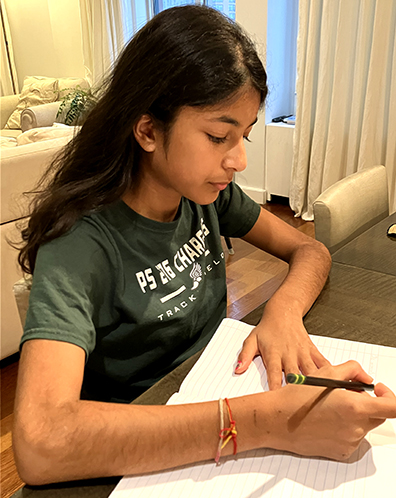
I started drafting my first chapter and shared it with my parents. They loved it and encouraged me to keep writing and plan a story line. Using the organizing tips I learnt from my teachers in ELA at school, I planned out my story and started drafting. Once I was done with my first draft, I went back and started editing and revising. I spent time thinking through how I could zoom in to specific moments and add details to ‘show not tell’. I also reached out to resources who could help me with the editing process. I found the First Draft program at Princeton University Library and shared my first few chapters with Dr. Dana, who gave me a lot of great tips and ideas on how I could make my writing stronger.
What was the most difficult scene to write and why?
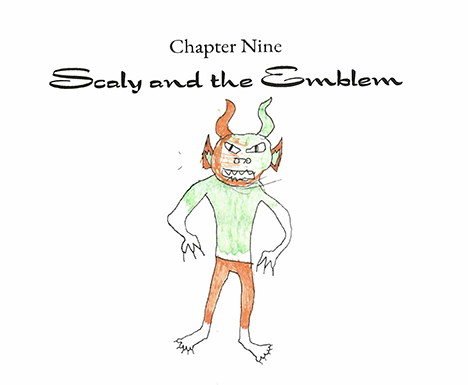
The most difficult scene to write about was when Isabel encountered Scaly. This was a battle scene and I struggled to find words that could help me show the intensity of the fight. I wanted to describe the scene well so as to create a graphic image in the mind of the reader.
Can you tell us a little more about Young Inklings?
Young Inklings is a non-profit group that mentors school-age authors, guiding them through the revision process, while also helping them talk about and publish their work. As a non-profit, they donate all royalties from the works they publish to charity.
What was the most surprising thing about writing a book?
The most surprising thing was that I wrote a whole book! It was amazing to me that I was able to accomplish a goal as big as that. I thought this to be a very difficult task, which needed a lot of hard work and patience.
Any words of advice for young writers?
I would tell young writers not to be afraid to express themselves. I would tell them that if they have an idea, however crazy it may seem, go ahead and write it, because if all authors were nervous of sharing their thoughts, we would never have all the wonderful books we have now. I would also tell them to not give up, even though the road may seem hard. Finally, my advice is to put all one’s imagination into one’s book, make it your own and make it BETTER!
Author images courtesy of Shonali Gupta. Book illustrations courtesy of Young Inklings. Cover art by Francie Towne, interior illustrations by Saanvi Singal.

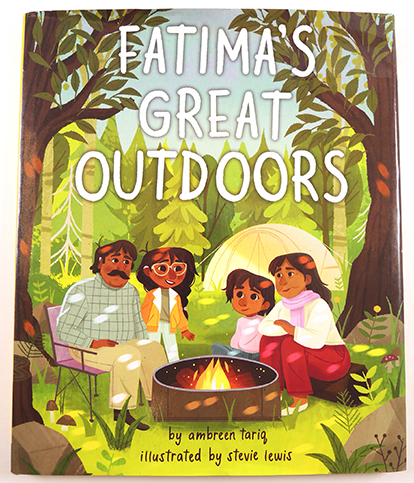 We recently discovered the coolest little easter egg (and book), and wanted to share it!
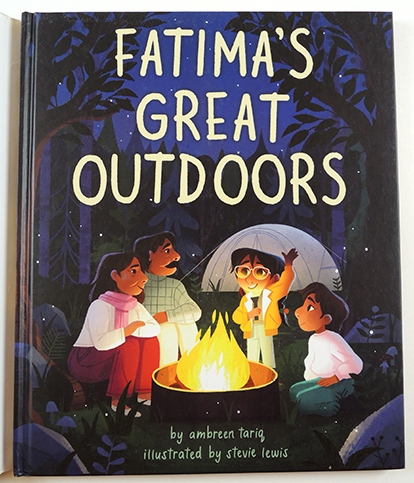 And yes, the back cover does that as well, but you’ll have to acquire a copy and see the lovely image for yourself! Better yet, turn this into a story time and activity with this simple (but SUPER popular) Dixie cup lantern…
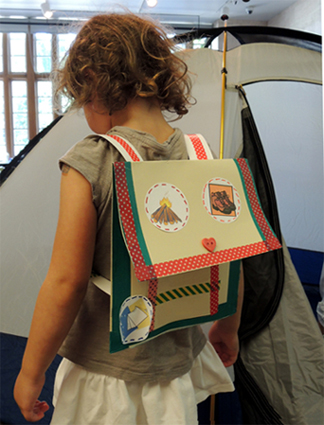 Don’t forget to pack the marshmallows!
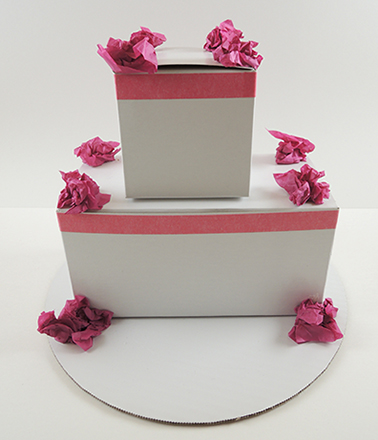
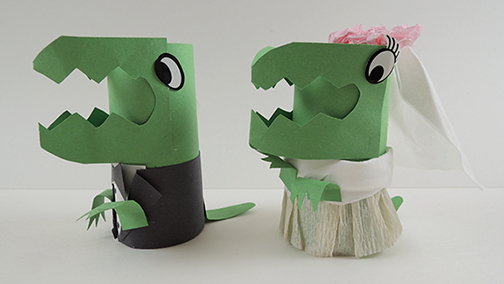
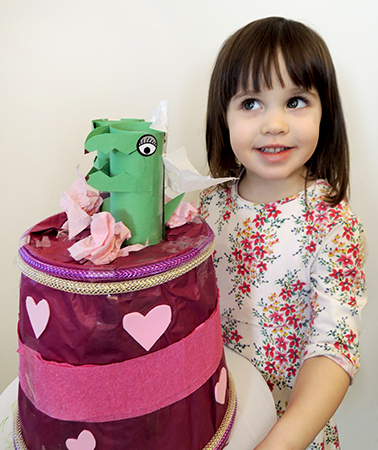 It’s not June, but we’re already rolling out the fancy wedding cakes for romantic reptiles! This simple project was met with incredible enthusiasm with the story time kids, both with cake decorating, and well-dressed dinosaurs.