Fly You High

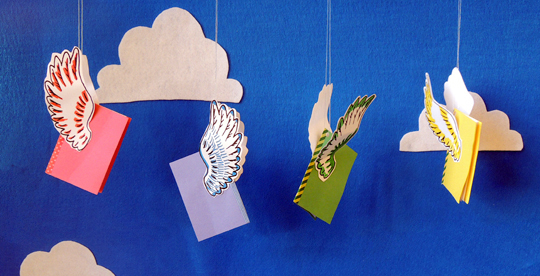
flying booksWe brought this flying book craft to a community event. It’s simple to prep, easy to make, and the smile you get when a finished book “flies” off the table is priceless!

You’ll need:

Start by cutting the construction paper into quarters, resulting in four, 4″ x 6″ rectangles. 1 rectangle = 1 book cover. Next, cut the standard white paper into quarters, resulting in four, 4.5″ x 5.5″ rectangles. The white paper rectangles will be the pages of your book. Fold two white paper rectangles into the construction paper cover and staple it to create a book.

Punch a hole in the top of the book, about 1″ away from the spine. Then run a piece of patterned tape (or color masking tape) down each side of the book to create a “spine.” Or, you can skip this step and simply use markers to decorate the spine and cover of the book.
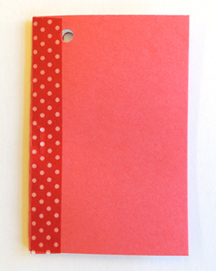
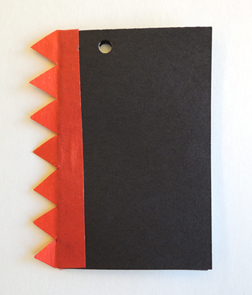
book spine step 2One boy wanted to make a “monster” book, so I created a spiky spine on his book using color masking tape. To make a spiky spine, stick one piece of tape right on edge of the spine. Repeat on the other side. Press the tape together.
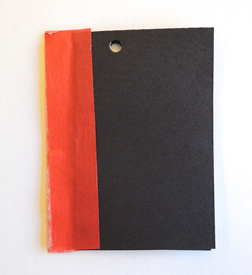
monster spine step 1Then cut out the monster spines!

monster spine step 2Use the markers to customize your wings, then attach a wing to each side of the book with glue dots. Finish by running a piece of elastic beading cord through the punched hole, loop the ends together, and knot. Dangle, flip, jiggle, and swoop your book at the end of the cord for full-on flying action!
book spine step 2

Fish in a Suitcase

not normanWe read Not Norman: A Goldfish Story, written by Kelly Bennett, illustrated by Noah Z. Jones (Candlewick, 2008). A little boy is terribly disappointed when, instead of a dog or cat, he gets a goldfish for his birthday. However, Norman the fish’s goofiness, appreciation for the boy’s tuba playing, and his friendly presence when there is a scary noise at night wins the boy over. Now, he wouldn’t trade any pet in the world for Norman!

The boy pulls Norman around in a little red wagon, but I thought we’d go even more portable for our story time. Hence, a fish in a suitcase!

You’ll need:

  • 1 box with a window (I used a 7″ x 7″ x 3″ pastry box)
  • Blue construction paper
  • 2 green pipe cleaners
  • 4 pieces of green raffia
  • A selection of crepe paper streamers
  • Small shells (optional)
  • Orange poster board for fish
  • 1 piece of orange self-adhesive foam
  • 1 wiggle eye
  • Hot glue
  • 1 small piece of clear elastic beading cord
  • Markers, yellow cellophane, and golden paper for decorating
  • Scissors and tape for construction
  • 1 tagboard strip for suitcase handle (mine was 12″ x 2″)
  • 1 luggage tag (optional)

The key to this project is finding a box with a window. I had a bunch of pastry boxes left over from another program, but you can find something similar in the bakery section of your local supermarket.

Cut the blue construction paper to fit the back of the box and secure with tape (or a glue stick). Draw in a few bubbles and waves with markers. The “water” is done…time to add some aquarium plants!

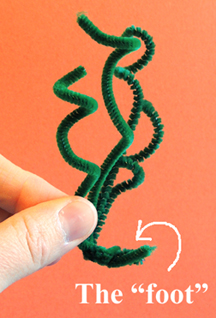
Plant #1: Cut two green pipe cleaners in half. Bunch the four pieces together and twist at the bottom. Give the pieces a little curl if you so desire. Then bend the twisted part into a “foot” and tape it to the bottom of the aquarium.

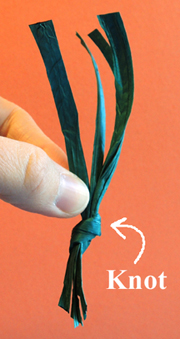
plant 1Plant #2: Knot four raffia pieces together. Tape to the bottom of the aquarium.

plant 2With the plants in place, it’s time for your “aquarium sand.” Crumple up some crepe paper streamers to give them a “sandy” texture, then hot glue them around the plants and the bottom of the aquarium. You can hot glue some little shells on the “sand” as well.

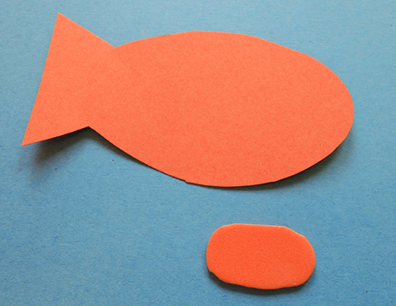
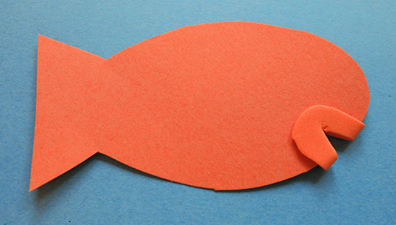
Now for the fish! Cut a fish shape out of orange poster board. To create fantastic fish lips, cut the piece of orange self-adhesive foam into an oval:

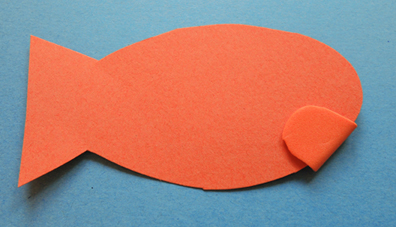
fish lips 1Then peel and stick it on the fish’s mouth:

fish lips 2Use scissors to cut a smile!

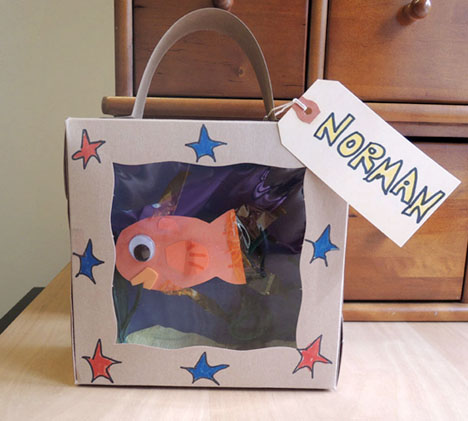
fish lips 3Secure a wiggle eye on with a dash of hot glue, then tape the elastic beading cord to the back of the fish. Decorate with yellow cellophane, gold paper, and markers. When the fish is complete, dangle it from the elastic cord, adjust for height, and tape the cord to the top/lid of your aquarium. Get the height just right, and your fish will wiggle and sway in a realistic way.

To turn the box into a suitcase, simply add a tagboard handle to the top. Originally, I used hot glue to attach the handles to the box, but they popped off pretty fast. So I would recommend using brass fasteners to really secure it.

With the handle in place, all your suitcase needs is a “luggage” tag. Write your new friend’s name on it and get ready for adventure!

PVC!

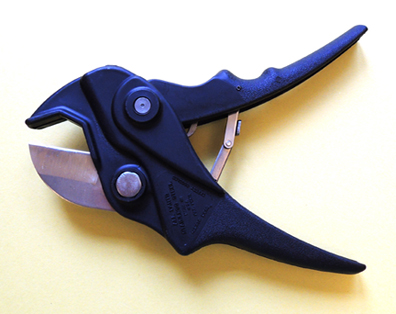
pvc cutterSay hello to my little friend! This PVC cutter is one of the most-loved items in my strange and bizarre box of outreach tools (also included – thunder tubes, egg timers, a train whistle, an overhead projector, and black eyeliner). Why?

Because PVC pipe is such a fantastic arts & crafts item. It’s cheap, it’s clean, it’s sturdy, it’s hollow so you can stick things in it. The only problem is that the 1/2″ PVC pipe I use only comes in 10-foot tubes. Enter the PVC cutter. It nips the PVC pipe down to just the right size.

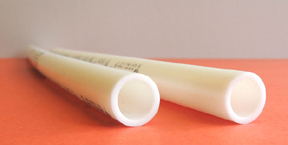
pvc-pipe1I made my fantastic PVC discovery when I was racking my brain trying to find a cheap way to make 500 Harry Potter wands. The wands needed hollow centers for phoenix feathers, dragon heartstrings, and unicorn hair. I was thinking about bubble tea straws but they were just too fragile and short. Then one day, wandering through the hardware store, I landed in the plumbing section and my problems were solved! I was able to cut 12, 10″ PVC wands from each tube for a grand total of 15 cents a wand.

After stuffing the core of their wands, kids wrapped them with color masking tape or brown masking tape. But wood patterned masking tape (or duct tape) would look fantastic as well.

If you’re looking for a few more Harry Potter ideas, check out this post. It’s a tally of all the Harry Potter activities we’ve done on this blog (and I try to keep it updated as we add projects).

Since my amazing PVC discovery, I’ve used it in projects involving marionettes, a boom mic for a camera set, sturdy flower stems, stick horses, robotic arms, butterfly nets, and more traditional magic wands (like the one that accompanies this fabulous little magic set).