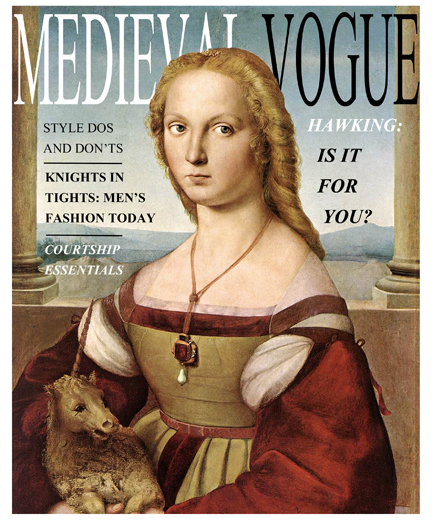
 Don’t be sooooo 12th century. Get with the times whilst also enjoying this complementary copy of Medieval Vogue! Katie designed this gorgeous little mag for a massive Robin Hood shindig my library hosted some years ago. If you’d like to browse Medieval Vogue for the newest trends in poulaines this season, here is part 1 and part 2 *. For more about the event, read on!
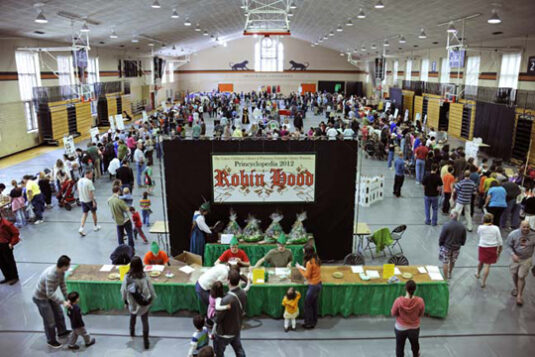
Robin Hood was the book du jour for Princyclopedia, an annual large-scale event that involved bringing a book to life from all sorts of angles – history, science, music, art, food, performances, live animals, you name it! Each table had either a demo, a hands-on activity, or something cool to take home. The 2-sided event map showed you all the table activities and also matched relevant book quotes or historical blurbs to them.
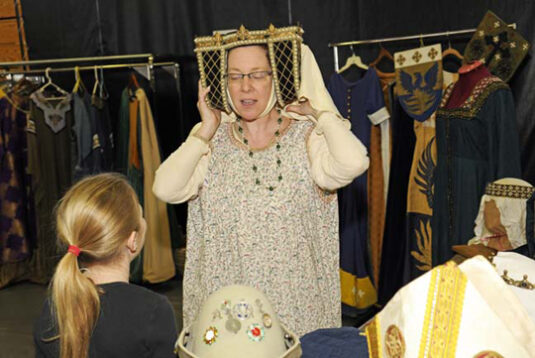
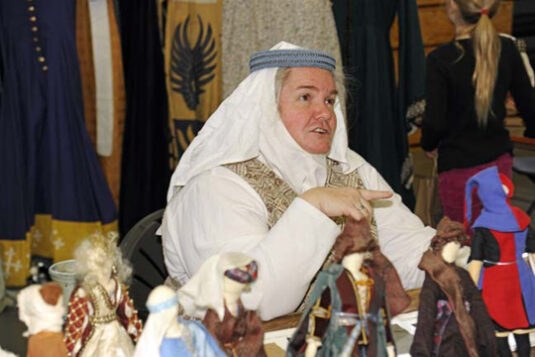
Medieval Vogue was a free take-home at the “Lifestyles of the Rich & Noble” table. Here, we were delighted to be joined by Rose Fox and Kim Hanley from Medieval Scenarios and Recreation.They brought TONS of clothes and costumes for kids to look at and try on, and answered questions about fashion from this time period.
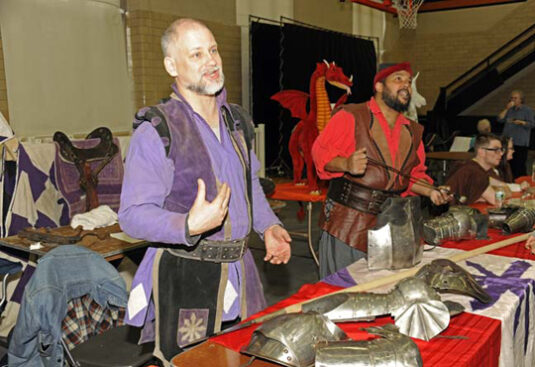
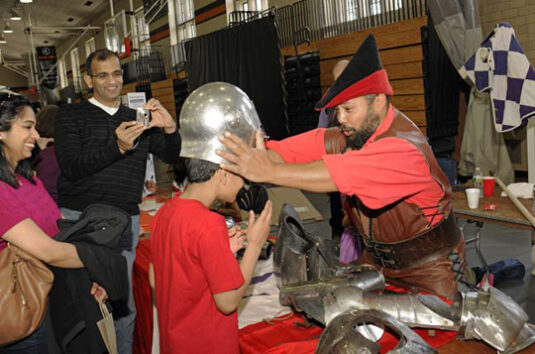
 At another table, we had a different take on wearables. Namely, the armor of Sir John Williams (right) and friend (left), two knights who professionally joust at Renaissance Fairs! They brought all their gear and expertise and were simply amazing.
We had a TON of other activities as well…the chemistry of alchemy, venison chili, musical performances on period instruments, live hawks, the science of stained glass, actual longbows with a kid-safe shooting range, illuminated art, the math of taxation, a big play space with multiple cardboard castles, the science of stained glass, herbal amulets, siege engines, gargoyle sculpting, nature tracking, professional stage fight demos, forest conservation, two free roving court jesters, and more! And yes…a table on all the Medieval jobs you DON’T want.
Another fantastic component of the event is that it was a food drive. Families were invited to bring can and box goods to the event to benefit the Arm in Arm food pantry (formally the Crisis Ministry of Mercer County). We donated almost 500lbs of food!
I’ll finish today’s post by sharing the literacy-based table the Princeton Public Library hosted. Since literacy was uncommon during the Middle Ages, shops typically featured pictures of their goods and/or services on their signs. So we designed a game! First, we selected a bunch of images of Medieval signs. Then, we asked kids to guess what the signs represented. Rothenburg, Germany has some fantastic signs currently in use (it being an actual historic Medieval town, wow!).
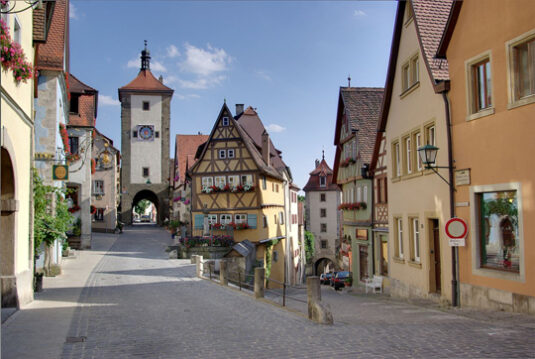
Image source Wikipedia
We also wanted kids to make a personal connection, so Katie and I photographed a few local shops. We photoshopped out any words, then asked kids to guess what the signs represented. They were tickled to recognize signs they saw everyday and make a Medieval literacy connection!
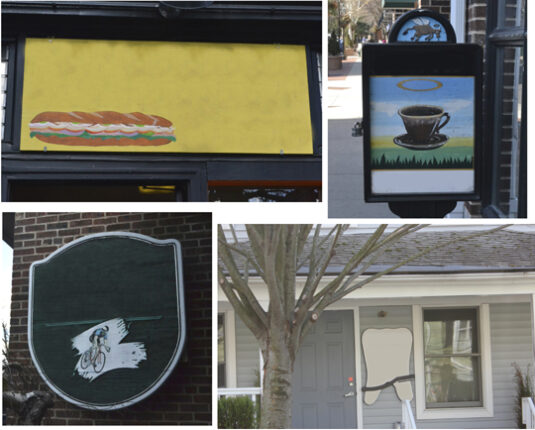
* Images used for Medieval Vogue may be subject to copyright. Please contact danas@princeton.edu if you are the author of one or more of images used here and have objection in such a use.
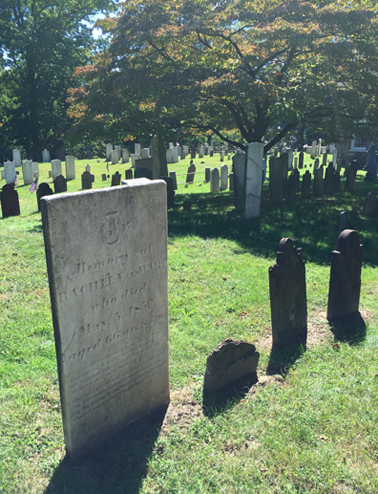
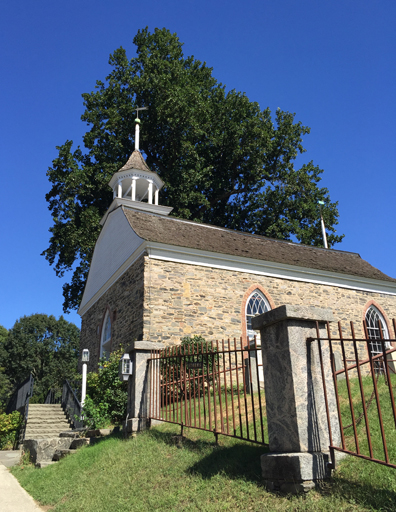
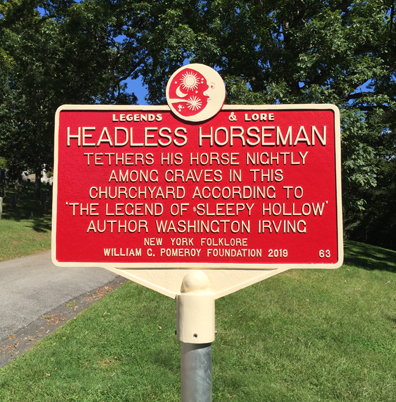 The churchyard is part of the Old Dutch Church of Sleepy Hollow, which was constructed in the 17th century. Featured in Irving’s short story, it’s one of the of the oldest churches in New York State.
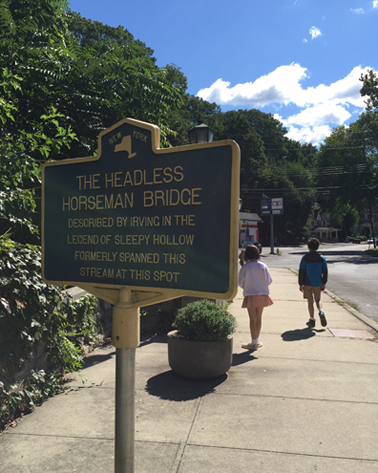
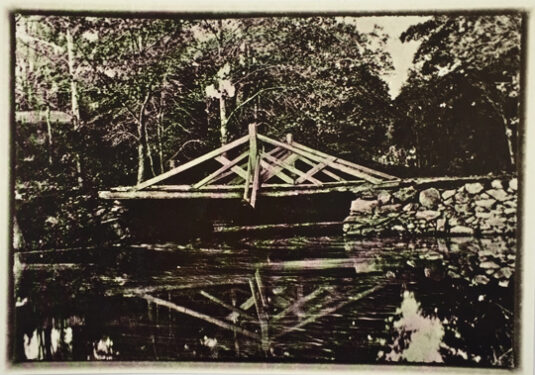
 From the church, we headed down to the FAMOUS BRIDGE. Which, as it turns out, is the “is the most popular destination in Sleepy Hollow that doesn’t exist.” Because the simple 1700s wooden bridge that inspired Irving has long since disintegrated (you can read a little more bridge history
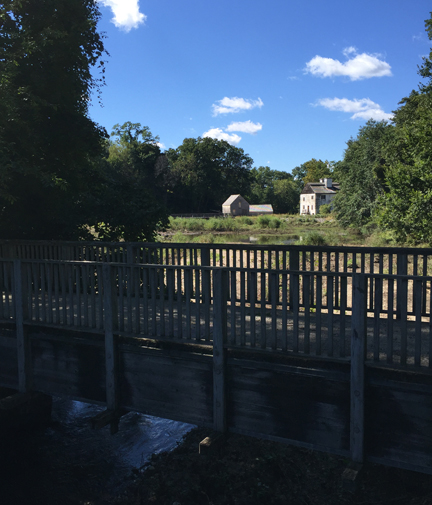
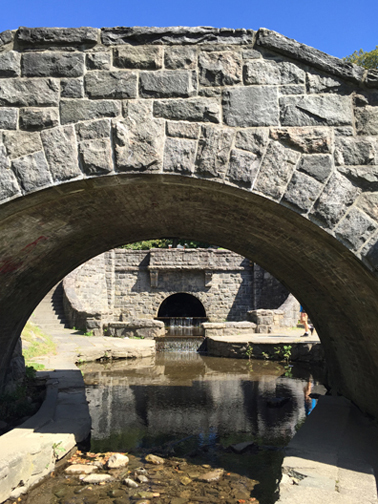
  The bridge is located in a pretty major intersection with a gas station nearby. So it’s almost a blink-and-you’ll-miss-it historical literary moment. Here’s the bridge as it stands today…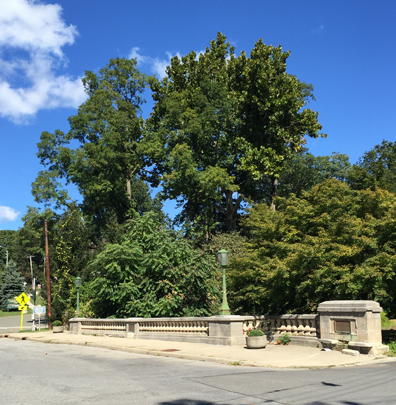
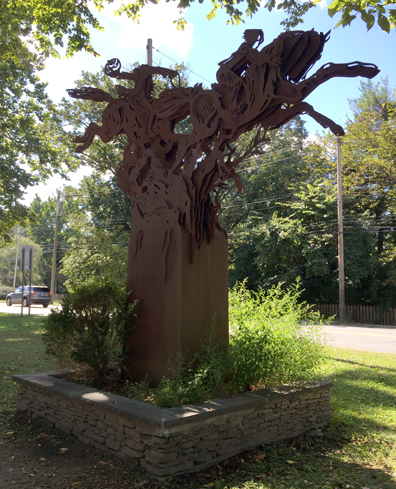
 Not far from the bridge is the town’s official statue, depicting Ichabod’s fatal race home. This was a bit of a surprise too. I expected something more traditional. But I like the metal layers on this interpretation – they’re almost like a paper cut silhouettes. Unveiled Halloween 2006, the statue was designed by artist
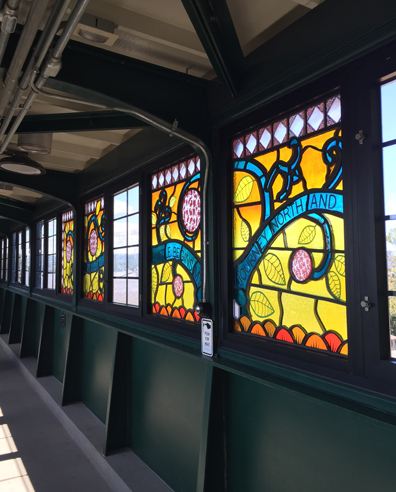
  We also got an unexpected surprise at the nearby Philipse Manor train station, which operates on the Metro-North Railroad’s Hudson Line. The station’s pedestrian bridge had really cool stained glass windows…
 And check out the VIEW of the Hudson River on the other side!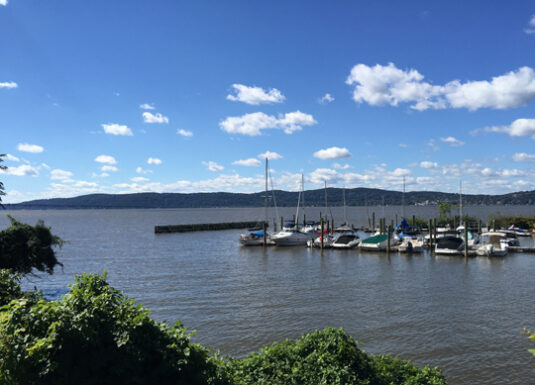
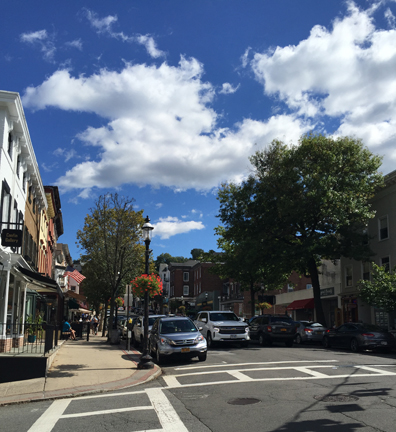
 At this point, we were getting hungry, so we headed over to Tarrytown for some bites. Main Street was charming, walk-able, and there were plenty of eateries to chose from.
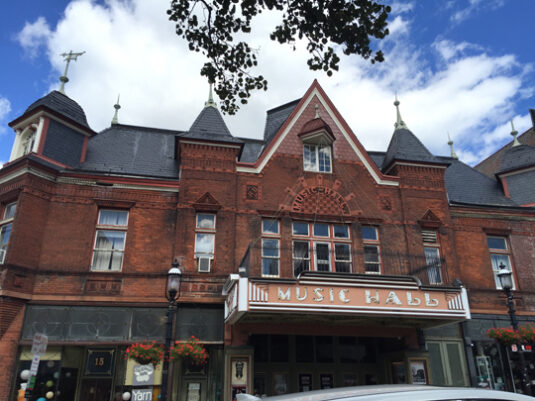
 One other building of note is the historic Tarrytown Music Hall, a 136 year-old
  The sun was starting to set as we headed back to New Jersey with haunted places still on our minds. This Halloween, when I revisit Irving’s tale, I’ll actually be able to say that I’ve walked through the cemetery, stood next to the church, and crossed the bridge! How awesome is that?