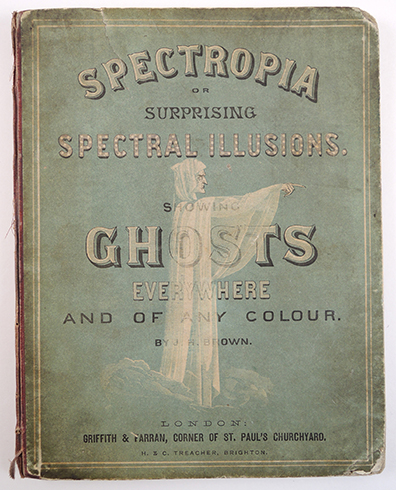
 Last Halloween season we took a stroll through our special collections pumpkin patch. Today, we’re looking for ghosts! And we found them in this amazing optical illusion book titled Spectropia; or, Surprising Spectral Illusions. Showing ghosts everywhere, and of any color. Published by J.H. Brown in London in 1864, the book teaches the concept of “the persistency of impressions, and the production of complementary colours on, the retina.”
The illusion is very simple. In the image above, stare at the small black dot by the ghost’s neck for 20-30 seconds. Then look away at a white wall or ceiling. Her ghostly image will appear in your vision, except in different colors (in this case green wreath, blue ghost)!
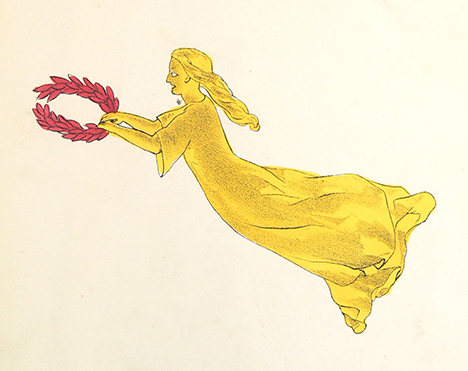
Scientifically speaking, this is called an afterimage. The color receptors in your eyes work in pairs (red/green, blue/yellow, etc.). When you stare at the drawing and one color fatigues your receptors, the other receptor will step in and dominate for a bit.
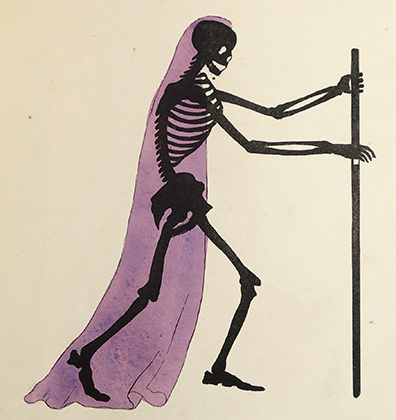
The book has a very lengthy description of this concept, as well as viewing instructions that include having the “gaslight turned low.”

Spectropia also has a disclaimer at the beginning: “As an apology for the apparent disregard of taste and fine art in the plates, such figures are selected as best serve the purpose for which they are intended.”
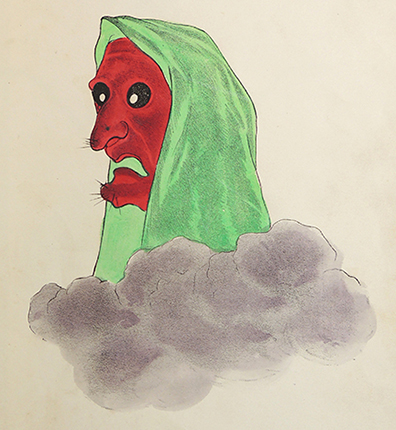
I wish they might have reprinted the disclaimer before THIS image, which honestly is going to haunt me clear through December:
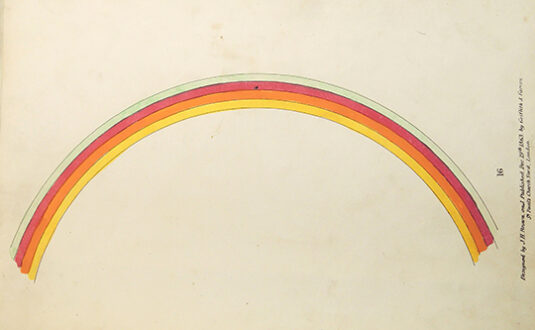
 The book concludes with a grand finale image that is not a ghost, but a rainbow! Definitely try this one, because it is so cool to see the colors flip in the afterimage!
Looking more more optical spooky fun? Try making our tabletop Pepper’s Ghost illusion!
Images from Spectropia; or, Surprising Spectral Illusions. Showing ghosts everywhere, and of any color. J.H. Brown, London. Griffith and Farran.1864. Cotsen Children’s Library, Department of Special Collections, Princeton University Library.
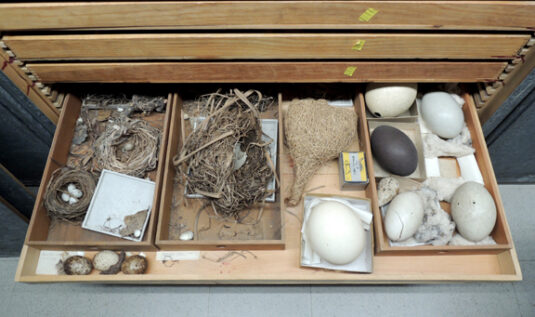
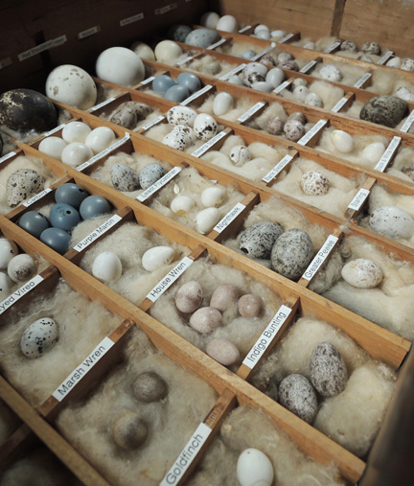 A heads up for our readers…in addition to eggs and nests, this post contains multiple images of bird taxidermy, which some may find unsettling. If you do, no problem! Skip this particular post, and we’ll see you on the blog next Tuesday!
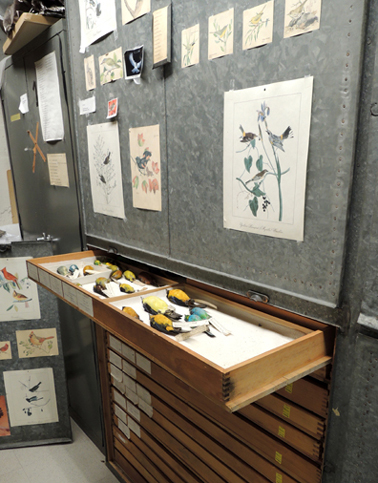
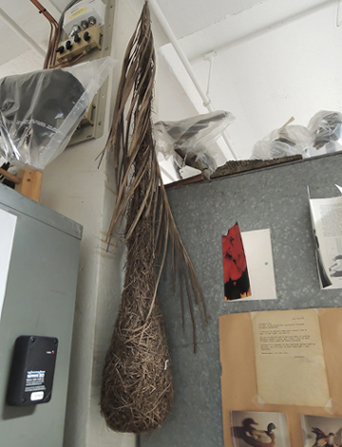
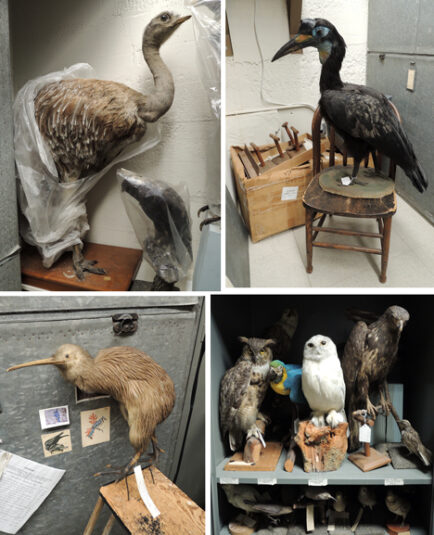
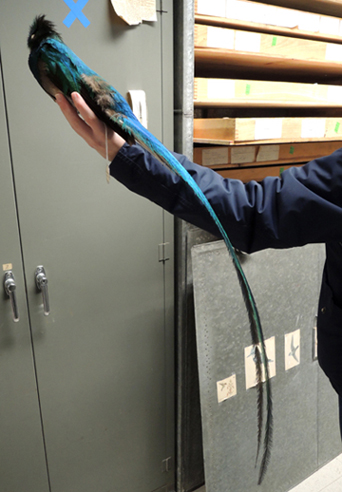
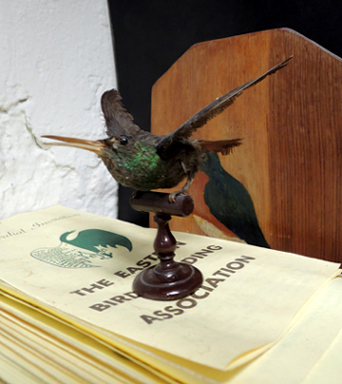
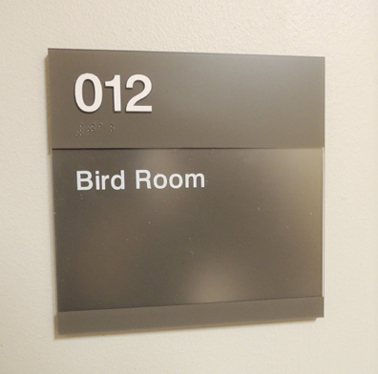 Behind that plain door, however, is an amazing treasure trove of natural history. It’s the Princeton Bird Collection, which contains a taxidermy catalog of over 6,000 bird specimens, some of which are over 150 years old! Many were collected by William Earl Dodge Scott, who was appointed Curator of the Department of Ornithology in 1879.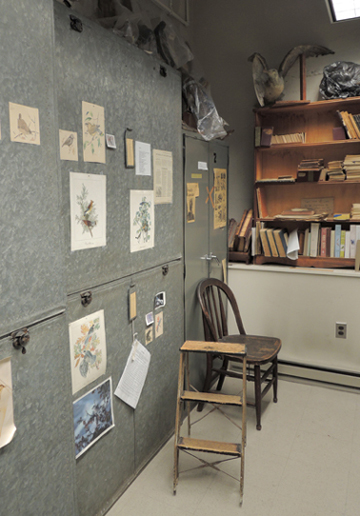
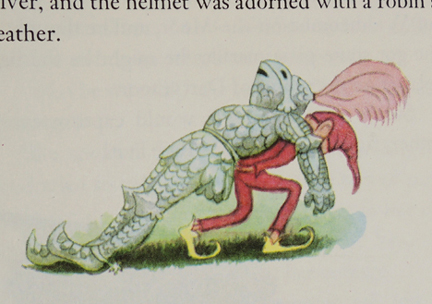
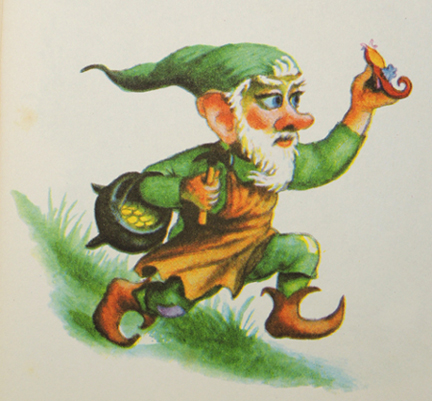 Saint Patrick’s Day has us thinking about leprechauns, so Katie and I delved into Cotsen’s special collections vaults to see what we could find! Happily, we discovered The Giant Golden Book of Elves and Fairies : with Assorted Pixies, Mermaids, Brownies, Witches, and Leprechauns (Golden Press, c1951). It’s a collections of stories and poems selected by Jane Werner, and illustrated by the famous Garth Williams.
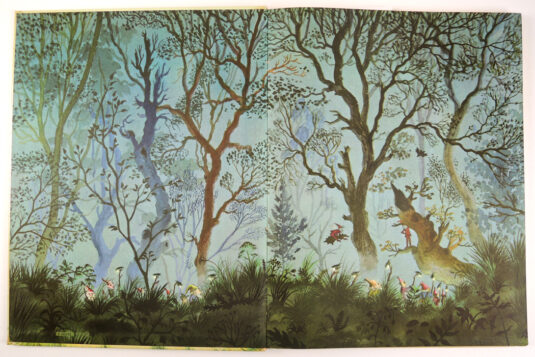
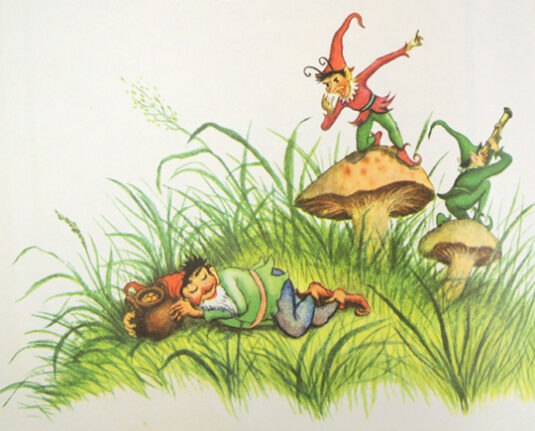 Garth Williams has a signature style that’s most often associated with his illustrations for Charlotte’s Web, Stuart Little, and the Little House series. The Giant Golden Book, however, is considerably more whimsical, teeming with mythical creatures and fanciful settings. And just look at these moody, evocative end papers:
 There is still quite a bit of adorableness, of course. One story featured a walnut carriage drawn by mice: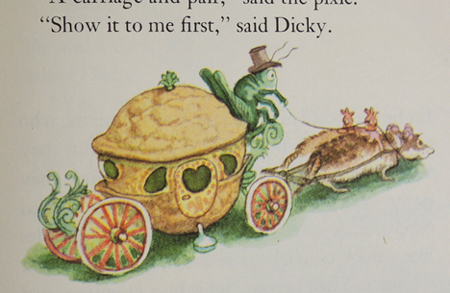
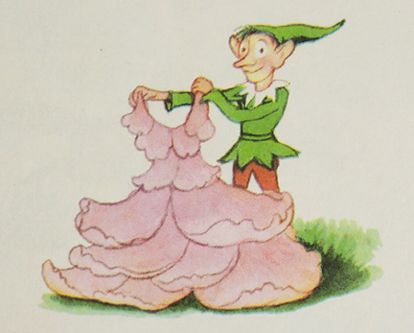
 And this amazing “little crinolined dress made of one hundred rose petals”…
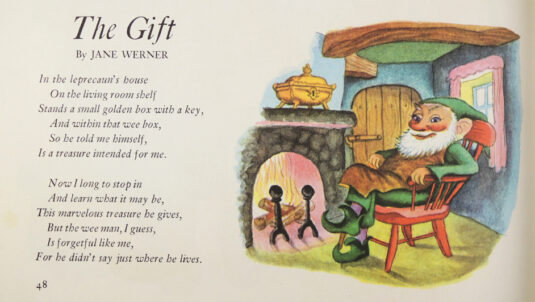
 We’ll leave you with a charming leprechaun poem by Jane Werner herself: