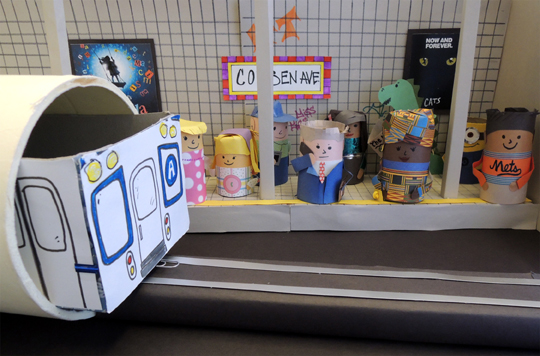
 Hello from the Big Apple…we’re riding New York City’s subways today! We made tissue box subways, toilet paper tube passengers, and customized some special story time dollars. A quick stop at the MetroCard machine, and we were ready to zip through the tubes (and we mean that quite literally)!
We read Subway by Christoph Niemann (Greenwillow Book, 2010). It’s raining, and a Dad and his two kids decide to spend the entire day riding NYC’s subway trains. The clever, bouncy rhymes not only introduce the subway trains and their riders, but the various routes as well. There’s even a shout out to the “critters” who live on the tracks of the J! This vibrantly illustrated book is a fun read-aloud and a useful map for the twists and turns on NYC’s famous transit system.
You’ll need:
- 1 large tissue box
- 1 subway template, printed on two, 8.5″ x 11″ pieces of white card stock
- 2 jumbo paperclips
- String
- 1 toilet paper tube
- Decorating supplies for subway passenger (more on this below!)
- Magic bucks template, printed on 8.5″ x 11″ paper
- MetroCard template, printed on 8.5″ x 11″ white card stock
- 1 MetroCard machine (more on this below!)
- Scissors and tape for construction
- Markers for decorating
I did this project at my library’s story time, but I also brought it to my son’s kindergarten class! I’ll begin with the story time version first, then show you how I simplified the program for a classroom setting.
Begin by cutting the top off a large tissue box. Cut and color the pieces of the subway template, then tape (or hot glue) them to the sides of the box.
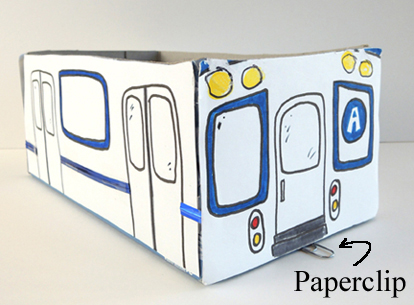
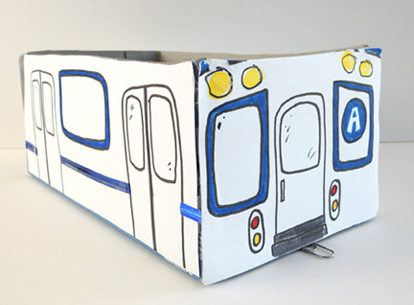 Use tape to attach a jumbo paper clip underneath the front of the subway. The paperclip should extend approximately 0.75″ past the box. Later, we’ll use this paperclip to pull your subway through the tunnel.
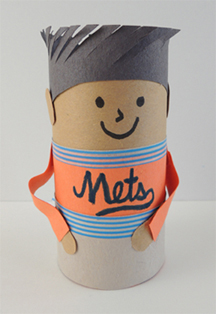
 Cut a toilet paper tube down until it fits inside your subway box, then decorate (we offered multicultural construction paper, regular construction paper, patterned paper, and patterned tape. Use markers to draw features on the face. Place the passenger in the subway.
 Cut and color some magic bucks from the template (you might recognize them from this itty bitty retail story time). Cut the MetroCards from their template as well. All you need now is a MetroCard machine!
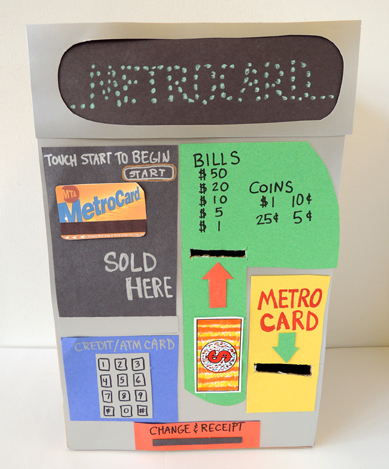 I made my machine out of a copy paper box. I cut slits for the money and the cards, then decorated it with poster board and construction paper. During story time, when the kids slid their cash into the slot, the machine would promptly dispense a MetroCard (this was done by a helper sitting behind the machine, catching the dollars and feeding cards through the slot).
The kids were super delighted by this marvel of technology! One little girl was peering closely at the machine, obviously working something out. Suddenly, she put her hands on her hips and shouted “Hey! I figured it out! There’s a person behind that machine!”
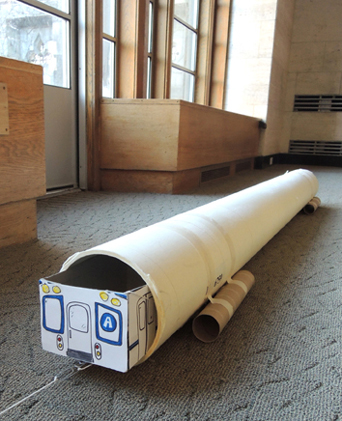
The subways are ready, the passengers are aboard, the MetroCard is in hand. Now for the ride! This entire story time was inspired by a 6′ tube gifted to me via library recycling. I taped some paper towel tubes to the sides to keep it steady. Voila! A subway tunnel!
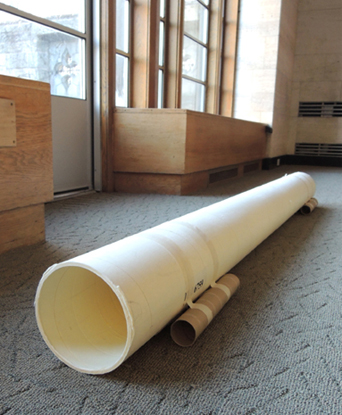 If you don’t have a tube, don’t worry! Throw a sheet over a table, or use a couple boxes to make a tunnel. So long as the subway travels through something, you’re good to go!
However, if you are using a tube, test to make sure your finished subway fits in it. We tested the boxes at the beginning of our prep work, but we didn’t test them after we attached the templates. “Pish,” we thought, “the templates don’t extend that far beyond the original box, yup no problem here.” Well, the morning of story time, we discovered that our subways were too tall to slide through the tube! We had to do some quick chopping to make it work.
Next, tie a long string to a jumbo paperclip, then bend one end of the paperclip out a bit.
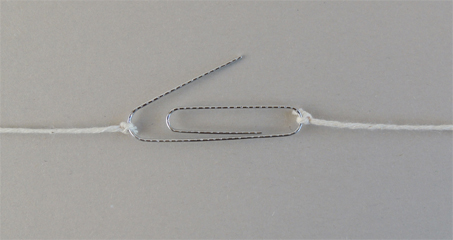 You’ll notice there are two strings attached to the paperclip in the above photo. The second string allowed my helper to pull the paperclip back through the tube after each subway had finished. Otherwise, we would have had to stop, stand the tube on its end, and let the paperclip slide back down to the mouth of the tube every time.
Ready to ride? The kids gathered at the mouth of the tube with their subways. One by one, a helper slid the subway’s paperclip onto the string’s paperclip…
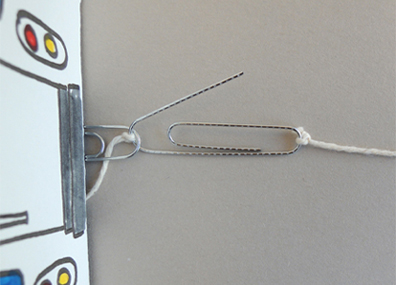 Then the kids dashed to the other end of the tube, crouched down, and watched as I pulled their subway down the tube towards them. Awesome.
As I mentioned at the beginning of the post, I brought this story time to my son’s kindergarten class. I definitely had to tweak it. For starters, we only had 15-20 minutes! So I prepped all the subways in advance. I hot glued the subway templates to 16 tissue boxes and attached the paperclips to the front. At the story time, all the class had to do was color in their subways.
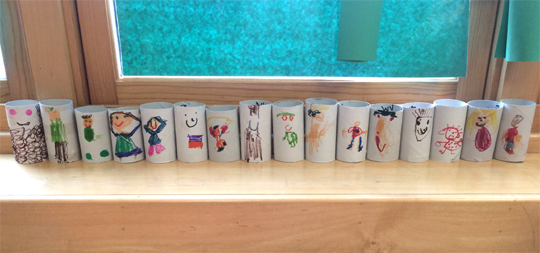
Also, instead of using lots of supplies to decorate the passengers, I brought white toilet paper tubes and asked the kids to draw directly on the tubes (if you don’t have white toilet paper tubes, wrap the brown ones with white paper). Here are the lovely passengers, waiting to board. I especially like the hairy one with the pink eyes all the way to the left.
 Follow exactly the same steps with the magic bucks and the MetroCard machine…and then haul the subways through the tube. The story time was a big hit! And the MetroCard machine actually stayed in the classroom, where it happily dispensed cards for the remainder of the school year.
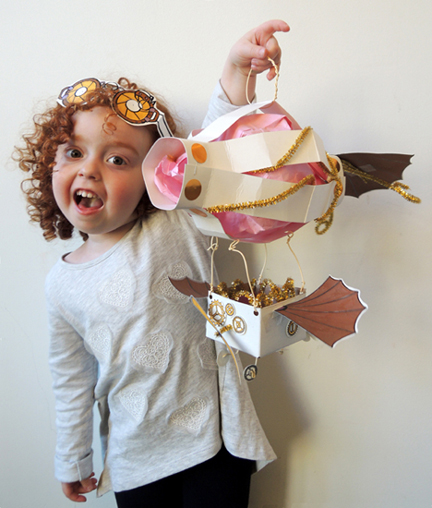 It’s sky-high adventure at a our steampunk story time! These amazing airships with matching goggles are a cinch, thanks to our ready-made templates and a few sparkly extras!
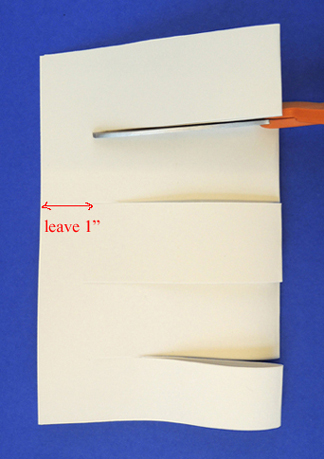
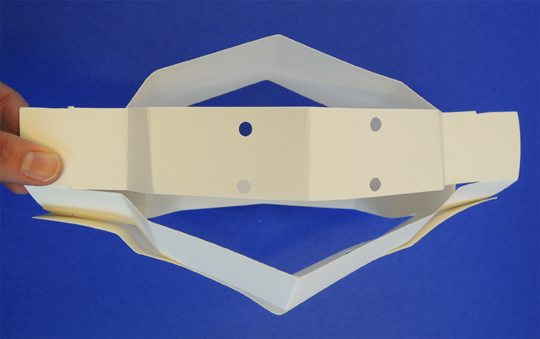
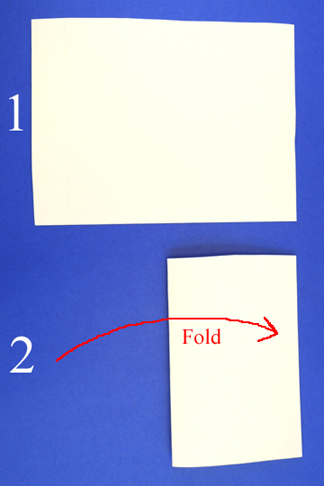 Starting from the folded end, make four, 4.25″ long cuts. Each cut should end about an inch from the end of the paper. These will form the “struts” of your airship’s framework.
 Unfold the poster board and flip it over. Currently, your struts have 1 central crease. You’re going to need to add 2 more creases on each strut (one on either side of the central crease). The new creases should be about 2.5″ away from the central crease.
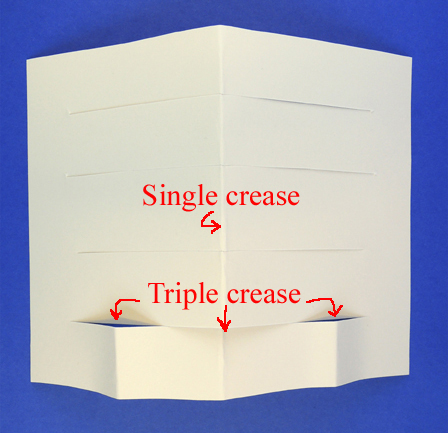 Crease all the struts, then circle the poster board and staple both ends. Your airship framework should now look like this:
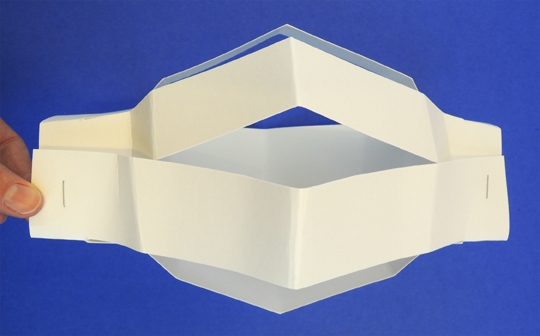 Punch four holes in one of the struts. This is where your airship’s basket will attach later.
 Now for the balloon! Open, then crumble, a paper bag. The more wrinkly the bag, the better it looks! Keeping the bag crumpled, slip it between the struts. Gently fluff the bag to fill out the framework.
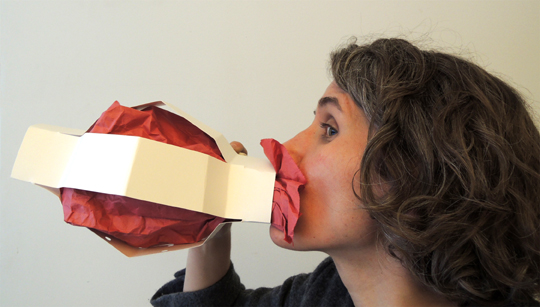 I have to say, that’s got to be the weirdest blog photo yet. And that’s saying a lot. Come to think of it, doesn’t it look a bit like a steampunk asthma inhaler?
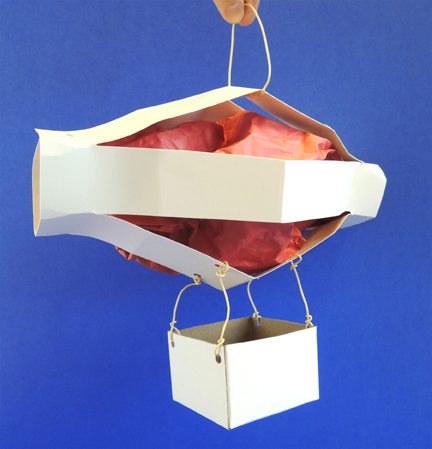 You’ll notice that the airship in the above photo has a hanging loop at the top. That’s a 9″ piece of twisteez wire circled around the top strut. Secure the loop to the underside of the strut with tape.
 If you’re using a bucket, it helps to stick a little picture of the item on the front, for kids who are too short to lean over and peer inside.
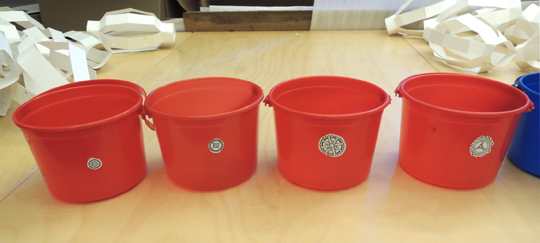 These buckets are great for organizing art supplies. I found them in the bulk candy section of Party City when I was researching red buckets for
 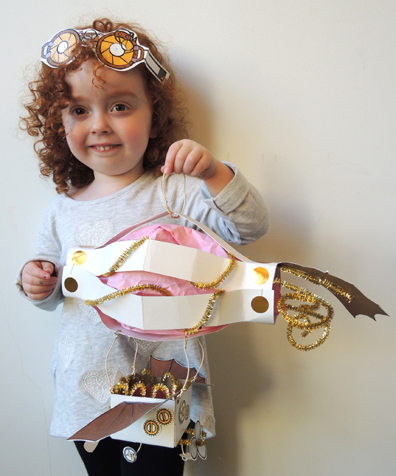 To make goggles, simply color a pair from the template, punch holes on the ends, and knot a 17″ piece of twisteez wire through both holes. Adjust for size, and perch the goggles on top of your head like a headband. Some kids, however, cut holes in their goggle’s eye pieces, which were incredibly adorable. Look at this duo!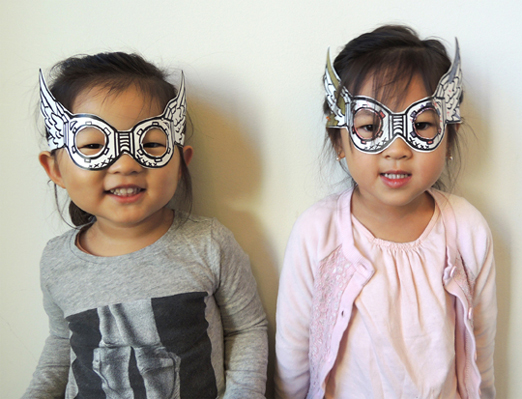
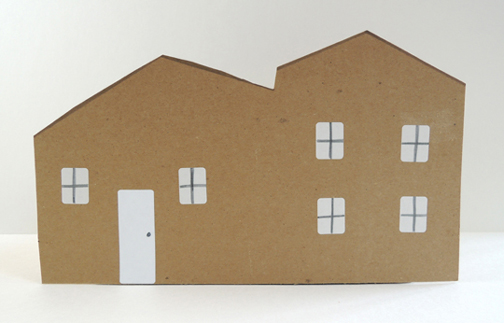
 We read Meet The Dullards, written by Sara Pennypacker and illustrated by Daniel Salmieri (HarperCollins, 2015). The Dullard kids (Blanda, Borely, and Little Dud) are causing trouble. For starters, they’re – gasp – reading circus books instead of staring at blank pieces of paper! And last week, their parents caught them trying to play outside! Things are getting so chaotic, the Dullards decide to move to a less exciting neighborhood. But while Mr. and Mrs. Dullard are (literally) watching the paint dry on their news walls, the kids sneak outside to play circus. This is just too much! The Dullards move back to their old neighborhood. As Mr. and Mrs. Dullard fall asleep, they feel assured that their lives are finally back to being perfectly boring. The kids, however, have other plans. They’ve joined the circus.
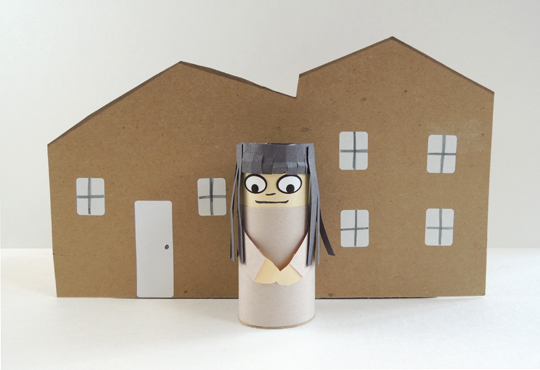
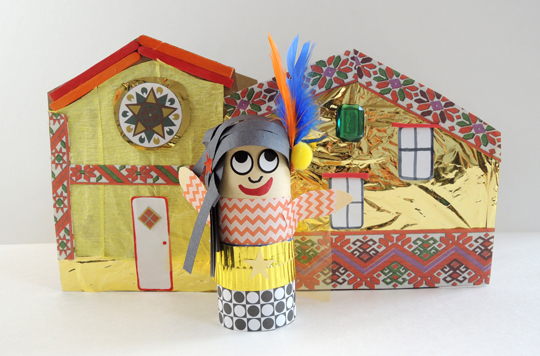
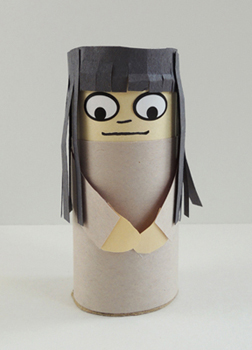
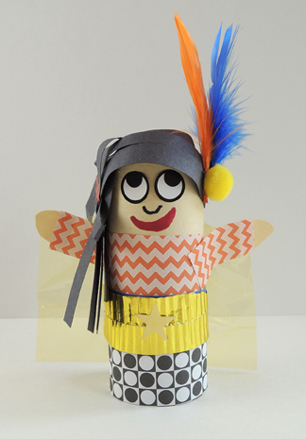
 Next, we made a dull toilet paper tube person. Here, I used the book’s illustrations as a guide. Grey clothes, black hair, etc. I only offered one kind of eye sticker too! We don’t want any overstimulating variations on eyes now, do we?
 Your dull house and person are finished. Set them aside. Pick up the second house facade…and go CRAZY! We brought out the
 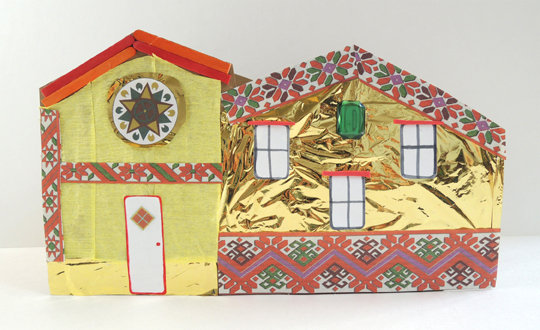 Our decorating supplies included
  When the exciting house facades are finished, hot glue them to one side of a large tissue box. Hot glue the dull facade to the other side of the box. Twirl the box around to view the dull and exciting sides. And speaking of exciting sides, check out these masterpieces…