Imagine That

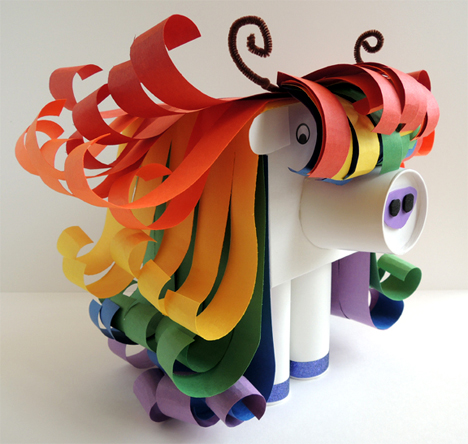
long-haired rainbow yakI’d like to introduce you to my imaginary friend Roy, the long-haired rainbow yak. Perhaps you have an imaginary friend too? No? Well, we can certainly help you find one!

We read The Adventures of Beekle, The Unimaginary Friend by Dan Santat (Little, Brown, 2014). On a far away island where imaginary friends are created, a creature with no name is born. He waits, along with the other imaginary friends, for a child to pick him and give him a special name. But it never happens. So our unnamed hero sets off to find a child on his own. He arrives at a big city and is disappointed at what he finds (no kids eating cake, people in a hurry, and everyone appears in need of a nap). Climbing to the top of a tree, he searches for his friend. No one arrives. He is sad. Suddenly there is a shout! A little girl needs help retrieving her drawing from the branches of the tree. A friendship is born. Alice names her new friend…Beekle. I love this sweet, touching, and beautifully drawn book.

Depending on the type of friend you make, you’ll need:

  • 1 small oatmeal container – OR – 1 box (mine was 4 ½” X 4 ½” x 6”)
  • 1 – 4 toilet paper tubes
  • Construction paper
  • A variety of art supplies (more on this below)
  • Markers for decorating
  • Scissors, tape, glue sticks for construction
  • Hot glue

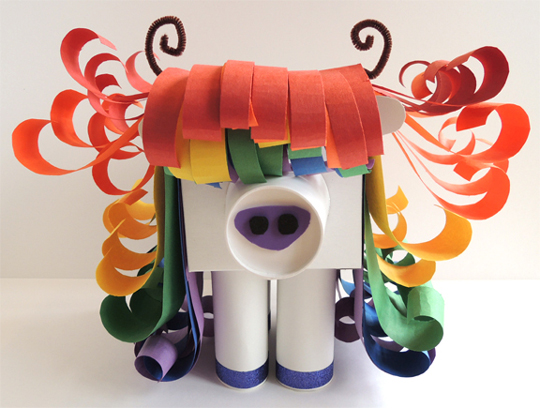
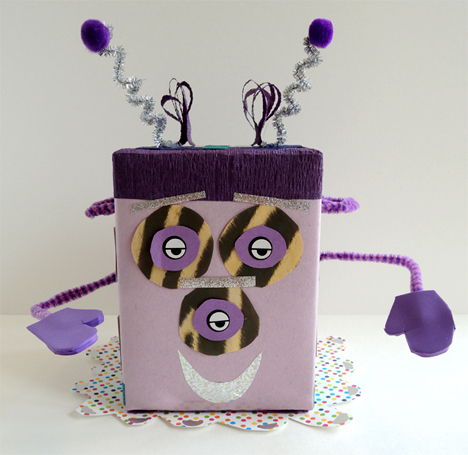
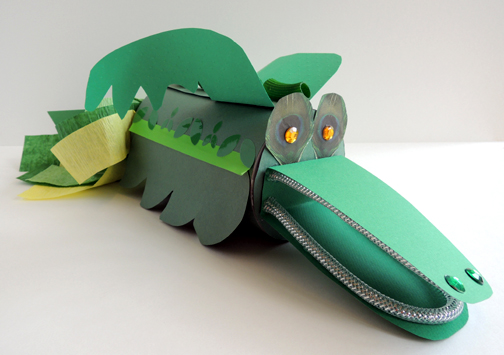
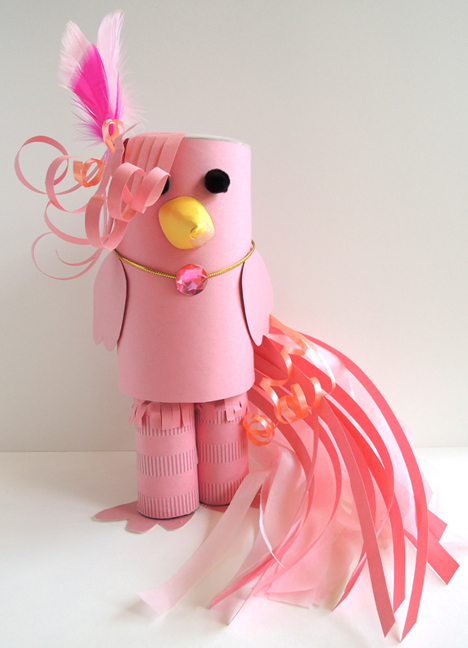
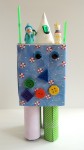
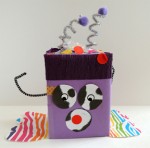
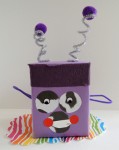
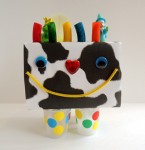
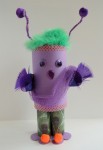
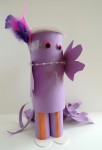
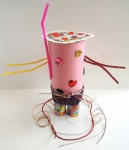
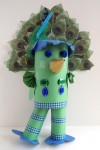
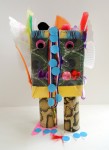
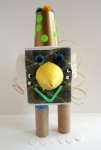
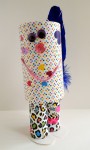
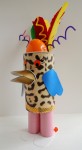
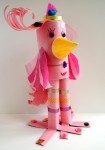
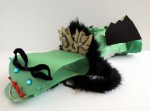
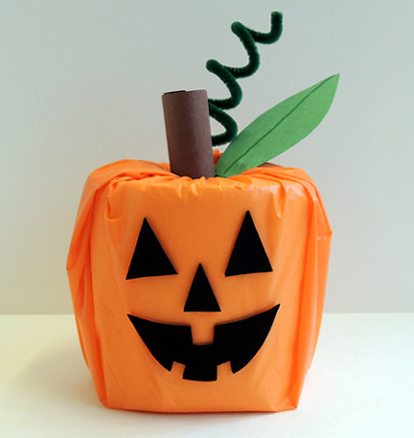
Katie and I made 4 example friends to demonstrate the various oatmeal container, box, and toilet paper tube leg combinations. We did have one request for paper towel tube legs, which we happily granted. Here are the example friends:

yak sidepurplecrocpinkie birdOnce the kids decided on their friend’s body shape and legs, we steered them towards 2 tables (and 2 windowsills) piled with art supplies, warmed up our two hot glue stations (staffed by Katie and myself) and invited them to let their imaginations soar!

You can use any art supplies you’d like of course. Or even go with the simplicity of white construction paper and markers. But just in case you’re interested, here is the list of all the art supplies we provided, pulled from the depths of our storage closet and drawers…

The resulting friends were imaginative and utterly delightful. We managed to capture the majority of them in our temporary photo studio. You can click on any of the thumbnails below to open a larger image. The toilet paper tube legs were very popular, but check out “Cowmoo” and “Rose” rocking some alternative leg styles!

Quill Pens

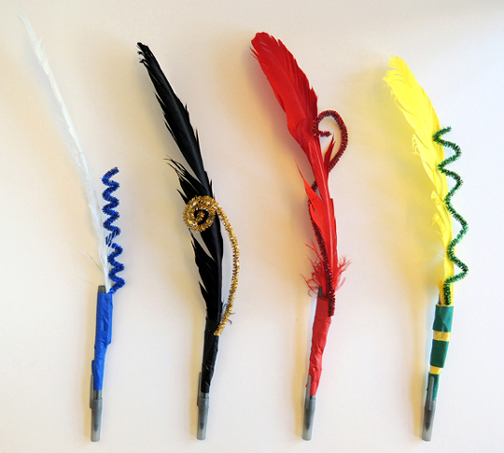
quill pensNeed a simple project for a big event? Perhaps these quill pens will do the trick!

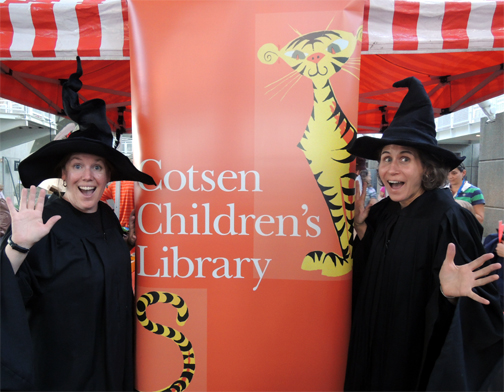
Last Saturday, Cotsen hosted a table at Princeton University’s Community & Staff Day event. Because of the big crowds, we needed something simple, fun, fast, and literary. Last year, we made flying books. This year, we decided to make Harry Potter-esque quill pens.

We were, of course, dressed in hats and robes. Even though it was 85 degrees out. Because comfort never comes before costuming, am I right?

wizard robesYou’ll need:

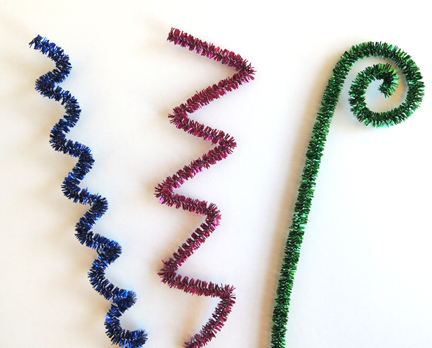
First, twist a sparkle stem into the desired shape. We offered 3 different shapes to choose from (even though some kids made their own shapes of course):

stemsPlace the sparkle stem on top of the feather. Then use masking tape to attach the feather and the sparkle stem to the the top of the pen. You can continue covering the pen with tape if you’d like (just make sure you don’t accidentally tape the cap on). Done!
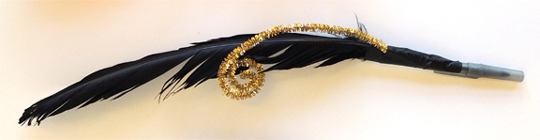
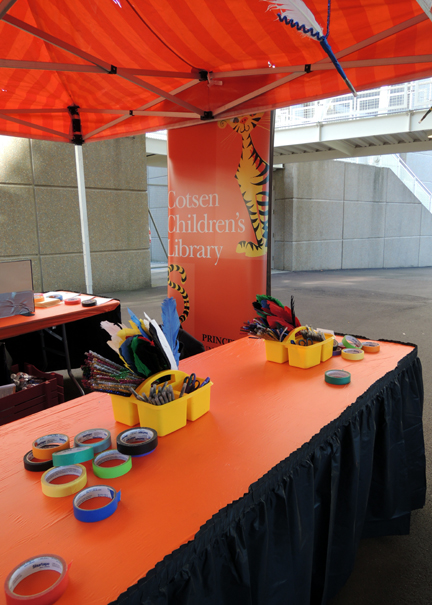
pen from sideBelow you can see the layout of our event table, including a display pen floating in the upper right-hand corner of the photo. It’s always a good idea to have an example of the project displayed somewhere. That way, kids can see what to expect and grown ups can get a jump on gathering the appropriate supplies.

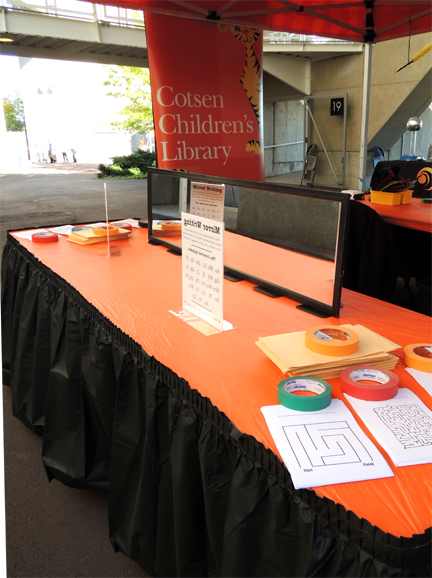
table side 1On the opposite side of our event tent was a mirror activity. Here, kids could use their newly-created quill pens to do some inverted writing and try their skills at mirror mazes.

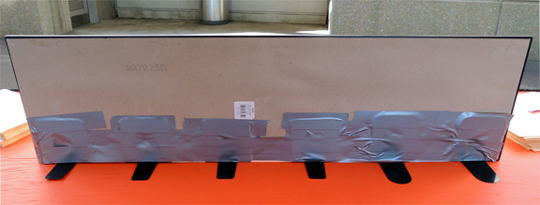
table side 2The mirror activity is very simple to put together. We duct-taped 6 bookends to the back of an inexpensive door mirror and stood it up on the table.

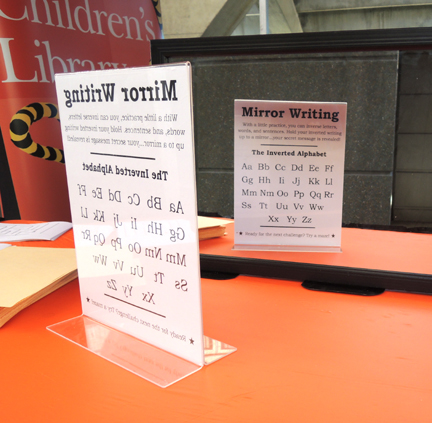
mirrorSince we weren’t able to staff the mirror activities during the event, we printed up some display instructions (here are my mirror writing instructions). I put the instructions in a double-sided plastic display stand.

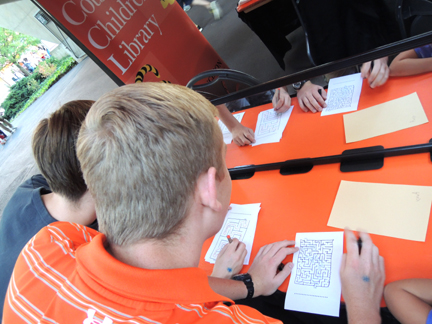
instructionsWe stacked practice paper and 4 types of mazes (which we found using Google images) on either side of the mirror. The mazes were really popular, even with older kids!

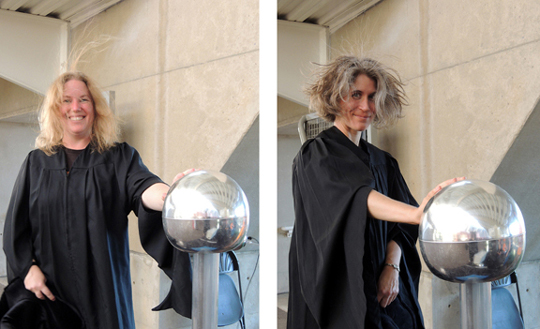
boys writingAt neighboring table, the Princeton Plasma Physics Lab brought all sorts of science toys for the crowds to play with. Including this Van de Graaff generator…

wizard hairAnd yes, it is twice the fun when you’re wearing wizard robes.

Pan Pipes

groverGet your Grover on with these simple pan pipe necklaces! I designed them for a large-scale Lightning Thief event (you can read more about the event, and our awesome Mythomagic deck here). The pipes were part of a “Pan Pipes & Pythagoras” table hosted by Music Together Princeton Lab School. Since we needed to create several hundred sets of pan pipes (event attendance was around 5,000) I needed something inexpensive that would give kids a little taste of tone and pitch.

I considered PVC pipe, empty marker tubes, empty pen tubes…but they were either too expensive, impractical, too hard to cut, couldn’t produce a satisfactory sound, or required way too much prep time. Happily, the solution came when I stopped by Fruity Yogurt, a local frozen yogurt place. In addition to soft serve, Fruity Yogurt does bubble tea, which naturally comes with a bubble tea straw.

strawsBubble tea straws are thicker than your average drinking straw. I tested a few and they were perfect! Not to mention inexpensive and they come in jolly colors!

You’ll need:

  • At least 4 bubble tea straws
  • A small craft stick (for a 4-straw set of pipes, you’ll need a 3″ craft stick)
  • A 28-29″ piece of yarn
  • A ruler
  • A Sharpie permanent marker
  • Scissors and tape for construction

Start by folding the bottom of each straw up and taping it very tightly (some bubble tea straws have pointed bottoms – you can trim the point off if you’d like).

taped straw Place the folded straw next to a ruler, and use a permanent marker to mark the desired  length of the straw. I cut my straws in 0.5″ increments. So the first straw was 5″, the second straw was 4.5″, the third straw was 4″, and the fourth straw was 3.5″. If you’re doing this at a program or event and don’t want to fiddle with a bunch of rulers, you can use this straw measurement template.

marked straw I did some experimenting with how long or how short a straw can be before it starts losing its tone. Based on my experiments, I wouldn’t go any longer than 7.5″ and no shorter than 2.5″. Beyond those lengths, the straws seem to lose their ability to hold a note.

Next, knot the yarn on both ends of the craft stick, and reinforce the knots with tape.

attached yarnLine all your straws next to each other in ascending order. Make sure the top (i.e. the open ends) of the straws are even with one another. Secure them with a piece of tape.

taped pipesThen flip the pipes over and tape the craft stick on the other side! Done!

finished pipes