
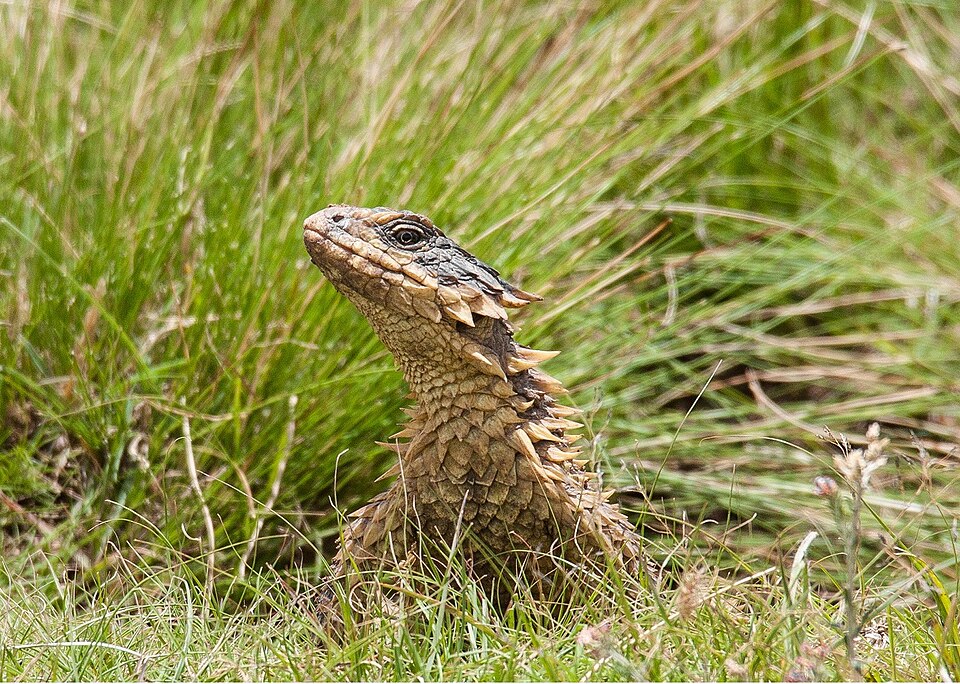
Photo by Shivanparusnath. Image source: Wikimedia Commons
What do you get when science and Tolkien unite? Absolutely amazing nods to a titan of the fantasy world! The handsome reptile you see above might not have heaps of gold to protect, but it did capture the imagination of scientist Ed Stanley, who named it Smaug Gigantus after the famous literary dragon in The Hobbit.
This giant girdled lizard can be found in South Africa, dwelling in the Drakensberg mountain range. It has tough upper armor and a weaker underbelly, not unlike Smaug himself. You can read a bit more about it here.
Fascinated, Katie and I took to the interwebs to see how many more scientists were Tolkien fans. As it turns out, quite a lot!
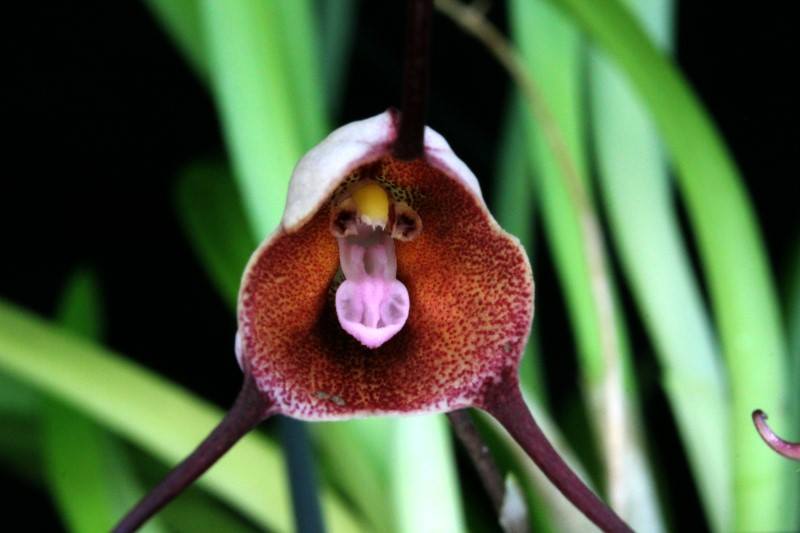
Image source: Orchid Roots
This is the Dracula smaug orchid, discovered by Mario Portilla in Ecuador. And just in case you are wondering, “Dracula” is not a second literary reference. Dracula translates into “little dragon,” matching the appearance of the various orchids in this genus. You can read more about them here.
The adventure doesn’t stop there. In Tolkien Gateway, we found a massive listings of wasps, plants, moths, mammals, beetles, and more! Behold the Gollum shark!
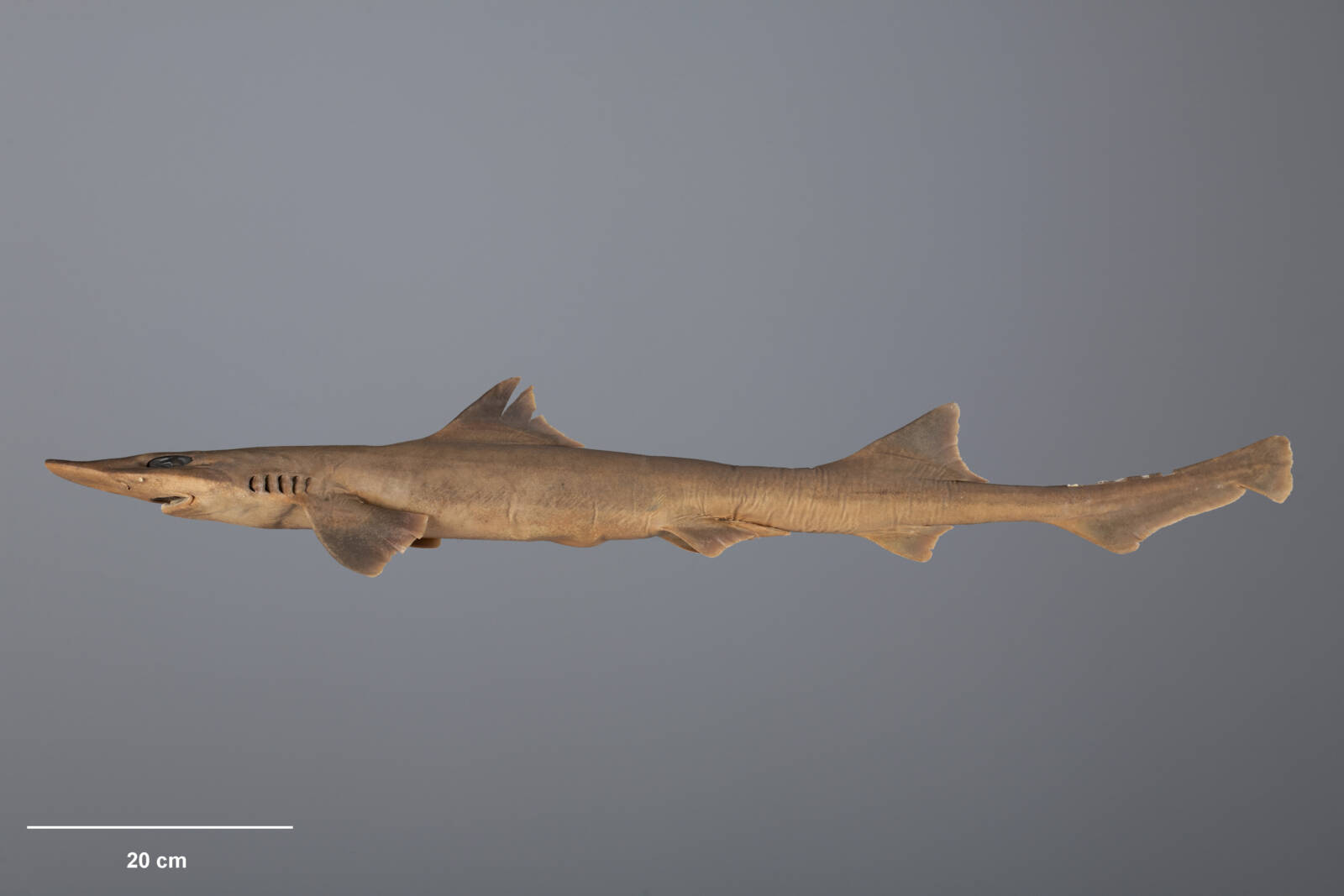
Slender smoothhound, Gollum attenuatus (Garrick, 1954), collected 18 December 1953, Off Kahu Rocks, Wairarapa, New Zealand. CC BY 4.0. Te Papa (P.001509). Original image from the Museum of New Zealand
And the hairy-footed moss forest bat, otherwise known as the Syconycteris hobbit!
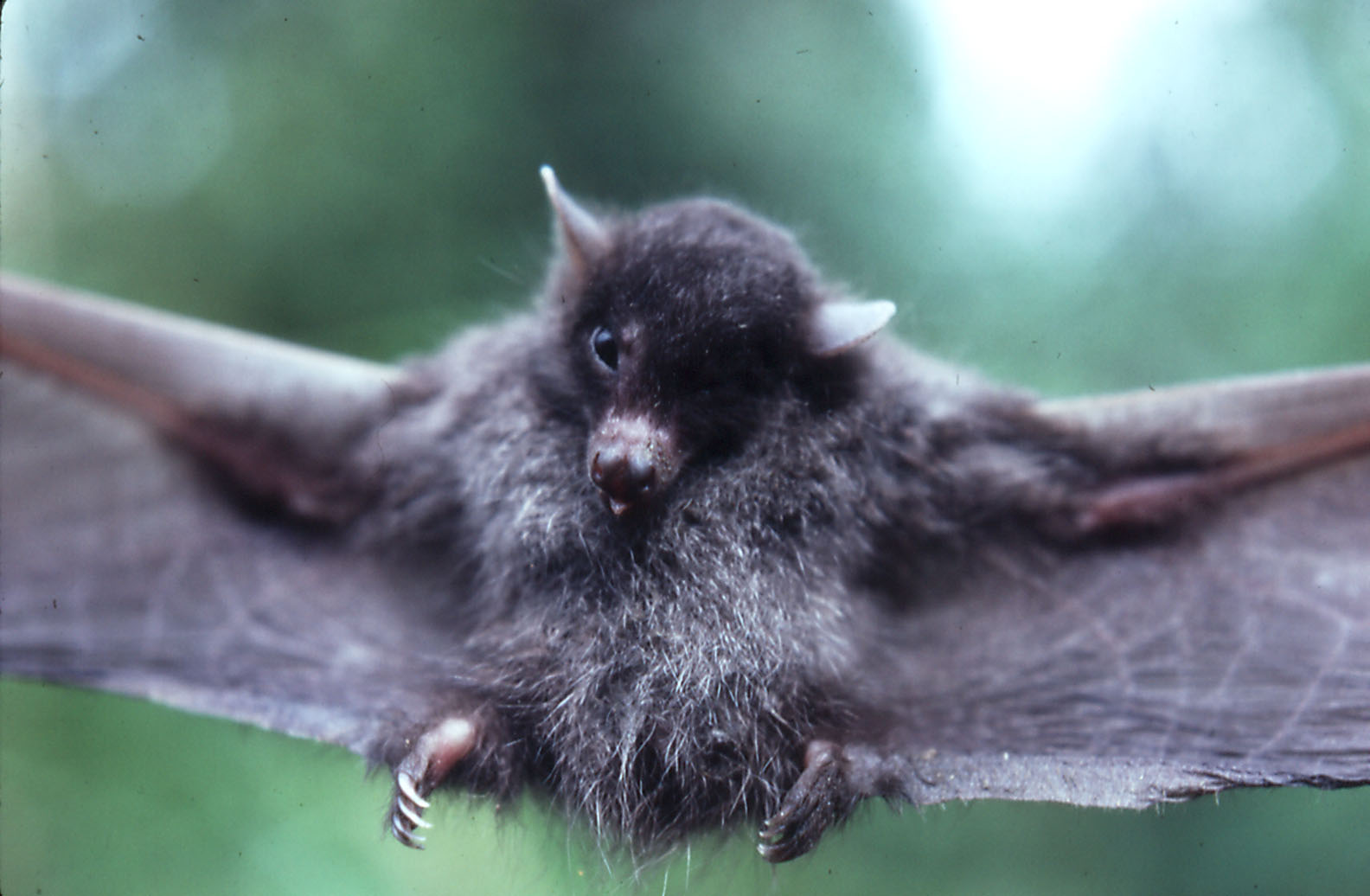
Image source: Zoo Chat
Or how about the Myloplus sauron, a close relative of the piranha? You can read a little more about the discovery and naming of the fish here!
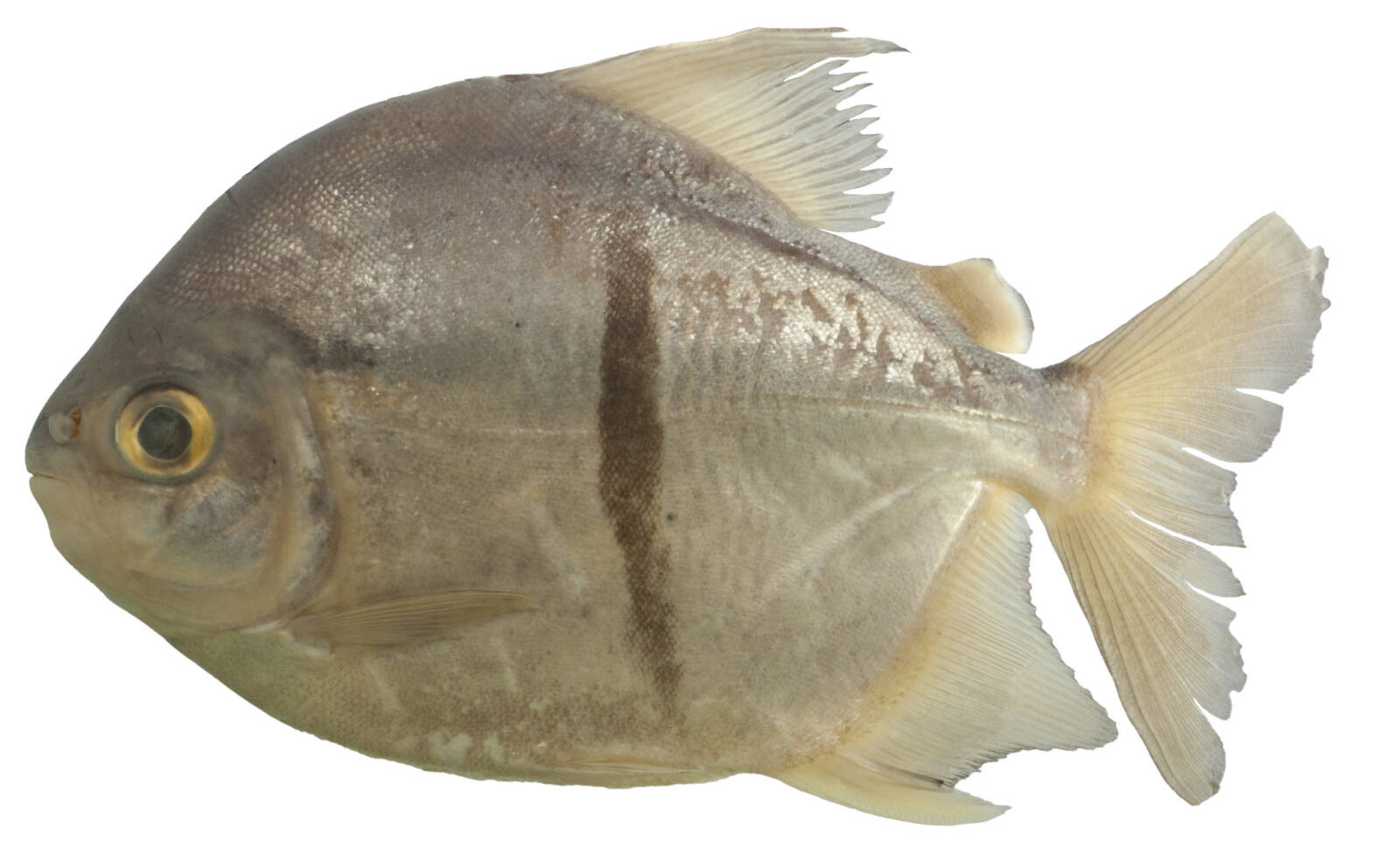
Image source: Wikipedia
The full Tolkien Gateway list can be found here, and we invite you to spend a happy afternoon conducting image searches of the various species. Don’t miss the Spaeleoleptes gimli spider! And if you’d like some further fun reading, look no further than this Mental Floss post! And hats off to Pensoft blog for the absolute best blog title (and awesome photos of the Idiopyrgus eowynae and Idiopyrgus meriadoci).